Zhongxiang Museum
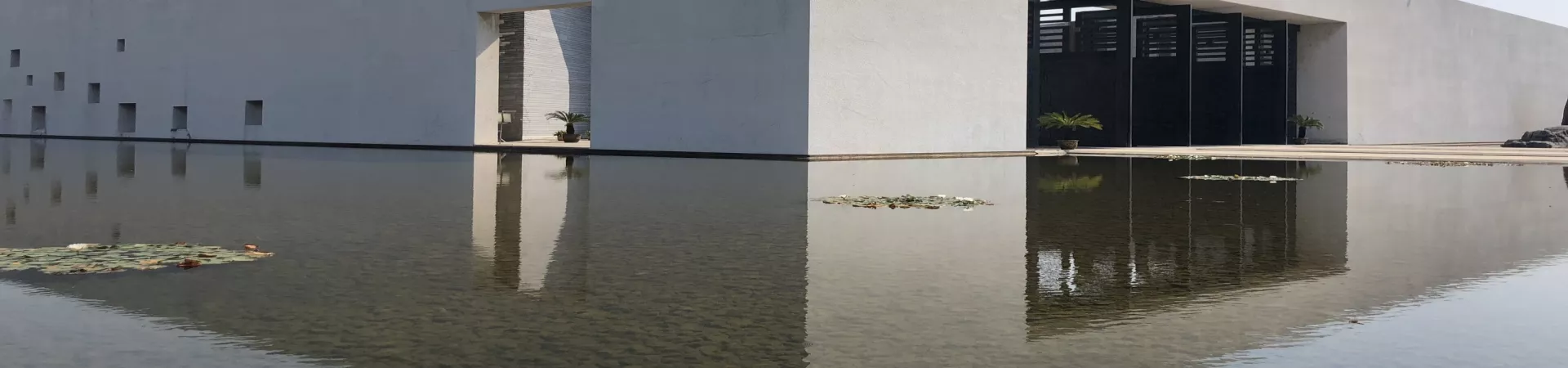
Subtitle: A Journey Through Time: Unveiling the Treasures of Zhongxiang Museum
1. Introduction: A Storied Institution
Nestled within the ancient city of Zhongxiang, a designated National Historical and Cultural City in Hubei province's Jingmen region, the Zhongxiang Museum stands as a guardian of millennia of local history and culture. Its journey from a modest display room to its current esteemed status mirrors the rich, layered past of the region it serves. For any visitor to Jingmen, this museum offers an indispensable and profound insight into the soul of Zhongxiang, presenting a narrative that stretches from prehistoric times through imperial splendor to modern revolutionary fervor.
2. Historical Evolution of the Museum
2.1. Humble Beginnings and Early Moves The museum's origins can be traced back to the early 1950s, when a simple cultural relics exhibition room was established within the Zhongxiang County Cultural Center, located in the old Shan-Shaan Guild Hall. This small collection represented the first formal effort to preserve and display the area's archaeological finds. As its collection grew, so did its need for space. In 1959, it relocated to the historic Wujun Academy, a site of classical learning, and then moved again in 1961 to the County Auditorium.
2.2. Formal Establishment and Independence A significant milestone was reached in 1977 when the Zhongxiang County Government approved the establishment of the Zhongxiang County Library and Museum, a combined institution. Shortly after, in February 1979, it was officially separately founded as the Zhongxiang County Museum by the county's Revolutionary Committee. The museum achieved full administrative independence in March 1980, separating from the library. It then found a profoundly fitting permanent home within the hallowed grounds of the Yuanyou Palace, a magnificent complex of Ming and Qing dynasty ancient architecture.
3. The Museum Setting: Yuanyou Palace
3.1. An Architectural Treasure The museum's location is an integral part of the visitor experience. The Yuanyou Palace, a serene and well-preserved cluster of traditional Chinese buildings from the Ming (1368-1644) and Qing (1644-1912) dynasties, provides an authentic historical atmosphere. Wandering through its courtyards and pavilions before even entering the exhibition halls allows visitors to immerse themselves in the architectural elegance of imperial China. The palace itself is a protected cultural relic, making the museum a "museum within a monument."
4. Permanent Exhibitions and Collections
The Zhongxiang Museum's core exhibitions are thoughtfully curated to showcase the depth and breadth of the region's heritage. The permanent displays include:
4.1. Special Exhibition on the Historical Relics of Zhongxiang, a National Historical and Cultural City This is the cornerstone exhibition, chronicling the long and vibrant history of the Zhongxiang area. Artifacts span from Neolithic pottery and ancient jades to bronze vessels, ceramics, and intricate handicrafts from various dynasties. The exhibition highlights Zhongxiang's strategic importance and cultural flourishing, particularly during the Ming Dynasty when it was the fief of the influential Imperial Princes of Xing.
4.2. The Qing Dynasty Female Corpse Exhibition One of the museum's most fascinating and unique exhibits is the remarkably well-preserved body of a woman from the Qing Dynasty. This archaeological marvel, often accompanied by burial goods and scientific explanations about preservation techniques, offers a rare and direct tangible connection to the daily life and burial customs of the period.
4.3. Exhibition of Historical Calligraphy and Paintings This gallery showcases the artistic achievements of local and renowned artists through the ages. The collection features traditional Chinese landscape paintings, calligraphy scrolls, and other works on paper, reflecting the scholarly and aesthetic traditions that were cherished in this region.
4.4. Revolutionary Relics Exhibition Documenting the modern era, this exhibition presents artifacts, documents, and photographs related to the revolutionary struggles in the Jingmen-Zhongxiang area during the 20th century. It preserves the memory of local heroes and significant events in China's revolutionary history, providing a narrative bridge to the recent past.
5. Visitor Information
5.1. Opening Hours The museum is open year-round with specific time slots to manage visitor flow. * Tuesday to Sunday: 09:00 - 12:00 (Morning session); 14:00 - 16:30 (Afternoon session). The last admission is at 11:00 for the morning session and 16:00 for the afternoon session. * Monday: Open all day (全天). It is advisable to confirm the specific Monday hours locally, as this can sometimes indicate special arrangements or refer to being open during standard daytime hours.
5.2. Transportation and Access Reaching the museum is straightforward via Zhongxiang's public bus system. Visitors can take Bus No. 1 or Bus No. 2 and alight at either the Swimming Pool (游泳馆) stop or the Lishe Bridge (利涉桥) stop. From these stops, the museum located within the Yuanyou Palace complex is within easy walking distance. The central location makes it a convenient destination to combine with visits to other historical sites in the old city center.
The Zhongxiang Museum, through its carefully preserved collections housed in a historically significant architectural setting, offers a comprehensive and engaging cultural journey. It tells the story of a region that has been a cradle of civilization, a center of imperial power, and a stage for modern transformation, making it an essential stop for understanding the heart of Hubei's history.