Zhongxiang Wanzi Qianhong Botanical Garden
Subtitle: A Comprehensive Guide to Zhongxiang's Wanzigianhong Botanical Garden: Nature, Tranquility, and Floral Splendor in Hubei
Introduction Nestled in the picturesque countryside of Hubei Province, the Wanzigianhong Botanical Garden offers a serene escape into a world of curated natural beauty and ecological harmony. Located approximately 20 kilometers east of Zhongxiang City, this expansive garden forms the northern part of the Jingmen "Autumn Excursion and Agricultural Valley" Crape Myrtle Flower Landscape Belt. Its privileged position, bordering the shimmering Shimen Reservoir and lying in close proximity to the vast Dakou National Forest Park, ensures an environment of exceptional air quality and rich biodiversity. More than just a collection of plants, Wanzigianhong is designed as a holistic destination, seamlessly blending horticultural display with leisure, wellness, and educational pursuits. It invites visitors to slow down, breathe deeply, and immerse themselves in a landscape where human artistry complements the innate beauty of the natural world.
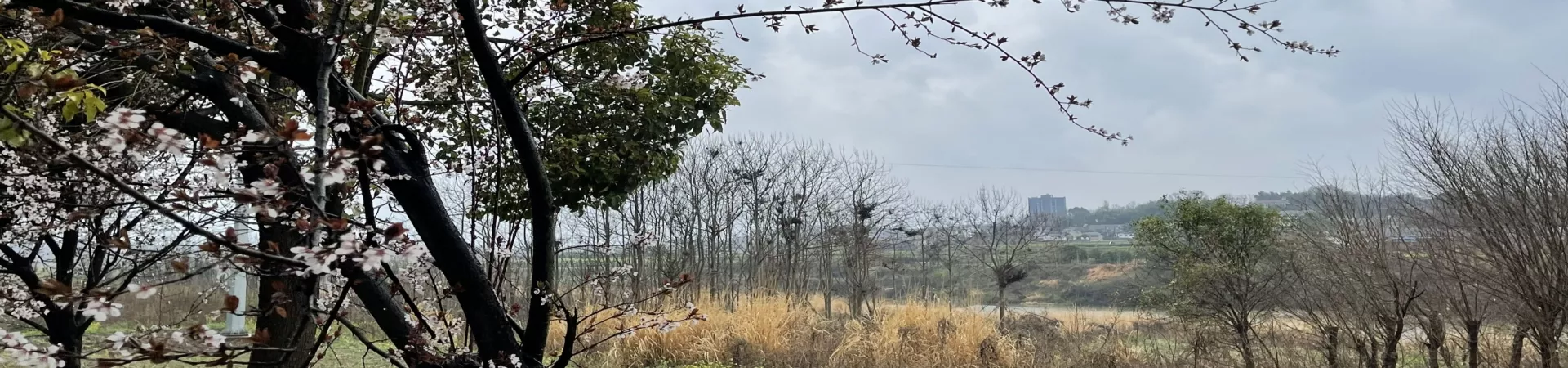
Strategic Location and Natural Setting The garden's setting is fundamental to its charm. Situated within a protected ecological corridor, it benefits from the pristine conditions of its neighbors. The nearby Shimen Reservoir contributes to a moist, temperate microclimate, while the Dakou National Forest Park acts as a green lung, ensuring the area remains unspoiled. This integration into a larger landscape of forests and water bodies means visitors are treated not only to the garden's cultivated beauty but also to the sights and sounds of a thriving, healthy ecosystem. The changing seasons paint the surrounding hills and the garden itself in dynamic colors, from the vibrant blooms of spring and summer to the fiery foliage of autumn and the quiet, stark beauty of winter.
Core Experience Zones Wanzigianhong Botanical Garden is thoughtfully divided into three distinct thematic zones, each catering to different visitor interests and promoting a unique aspect of interaction with nature.
1. The Landscape Leisure Zone This zone is the heart of the garden's floral display and aesthetic appeal. Designed for relaxation and visual enjoyment, it features meticulously curated collections of plants arranged in thematic gardens. Visitors can stroll along winding pathways, discovering tranquil ponds, elegant pavilions, and scenic overlooks. The zone is particularly famous for its spectacular displays of crape myrtles (Lagerstroemia), which bloom profusely in summer, creating the "thousand purples and ten thousand reds" that inspired the garden's name. Seasonal exhibitions ensure there is always something in bloom, from peonies and roses to chrysanthemums, making every visit unique.
2. The Agricultural and Wellness Zone Moving from pure aesthetics to participatory well-being, this zone focuses on the healing power of plants and traditional agrarian life. It often includes organic herb gardens, tea plantations, and plots of medicinal plants. Visitors can learn about the uses of various botanicals in traditional Chinese medicine and modern wellness practices. The zone may offer activities such as fruit-picking in season, herbal workshops, or simply spaces for quiet contemplation and "forest bathing." It embodies the concept of nurturing the body and mind through a direct, peaceful connection with cultivated land and its produce.
3. The Mountain and Wilderness Research Zone Catering to the more adventurous and intellectually curious visitor, this zone encompasses the garden's more rugged, less manicured areas that blend into the natural hills and woodlands. It serves as an outdoor classroom for ecology and botany. Educational trails with informative signage detail local flora and fauna, geological features, and conservation efforts. This area is ideal for guided nature walks, bird watching, photography, and school trips. It emphasizes environmental education and the importance of preserving native habitats, offering a glimpse into the wilder essence of the region's landscape.
Practical Visitor Information
Transportation and Access Reaching the garden is most convenient by private vehicle, with well-signposted routes from major cities in the region. * From Zhongxiang, Jingmen, or Xiangyang: Take Provincial Highway S311 eastbound for approximately 14 kilometers. Then, turn south onto the "Autumn Excursion and Agricultural Valley" Crape Myrtle Flower Landscape Belt. Continue for about 1.6 kilometers until you reach the entrance to Wanzigianhong Botanical Garden. * From Yichang, Jingzhou, or Wuhan: Use the G42 Shanghai-Chengdu Expressway (Huying Section). Exit at the Taizi Mountain interchange and head north. Follow the directions for the "Autumn Excursion and Agricultural Valley" Landscape Belt for approximately 40 kilometers. The route will lead you directly to the botanical garden.
Operating Hours The garden is open year-round, providing access to its seasonal transformations. * Daily Opening Hours: 8:00 AM to 5:00 PM. * Last Admission: 5:00 PM. The garden is open seven days a week, including weekends and public holidays, though visitors are advised to confirm ahead of major national holidays in case of exceptional arrangements.
Visitor Experience and Recommendations To fully appreciate Wanzigianhong, visitors should allocate at least half a day. Comfortable walking shoes are essential for exploring the various zones. The garden's vastness and natural terrain make it a perfect setting for photography, picnics (in designated areas), and family outings. Given its focus on plants, spring through autumn offers the most vibrant displays, but the winter landscape possesses its own stark, peaceful beauty. Combining a visit here with a trip to the nearby Shimen Reservoir or Dakou National Forest Park can make for an enriching full-day nature retreat. The garden stands as a testament to the harmonious balance between human horticultural passion and the preservation of natural ecosystems, offering a refreshing and educational destination for all who seek a connection with the green world.