Jingmen Museum
A Comprehensive Guide to the Jingmen Museum: Unlocking the Ancient Secrets of Chu
Nestled in the heart of Jingmen City, Hubei Province, the Jingmen Museum stands as a paramount cultural institution dedicated to preserving and interpreting the profound history of the Jingchu region. Far more than a simple repository of artifacts, it serves as a dynamic gateway to understanding the rise, zenith, and enduring legacy of the ancient Chu State, one of the most powerful and culturally distinct entities during the Spring and Autumn and Warring States periods. For any visitor with an interest in the deep roots of Chinese civilization, a journey through this museum is an indispensable and enlightening experience.
Historical Significance and Architectural Presence
The museum's importance is intrinsically linked to the archaeological richness of its surrounding area. Jingmen and the wider region have yielded some of the most spectacular and historically significant Chu-era discoveries in China. The museum was established to serve as the central custodian of these treasures. Its architecture, while modern and functional, is designed to evoke a sense of solemnity and timelessness, providing a fitting sanctuary for the ancient objects within. The building itself is a prelude to the historical narrative that unfolds across its exhibition halls.
A Journey Through the Exhibition Halls
The museum's permanent exhibitions are thoughtfully curated to guide visitors on a chronological and thematic journey through millennia of local history.
The Neolithic Foundations and Early Bronze Age
The narrative begins with the prehistoric foundations of human activity in the region. Exhibits from Neolithic sites illustrate the early settlements, showcasing polished stone tools, primitive pottery, and evidence of early agricultural practices. This section seamlessly transitions into the early Bronze Age, highlighting the gradual development of social complexity and metallurgical skills that would later flourish under the Chu.
The Glorious Epoch of the Chu State
This is the unequivocal centerpiece of the museum, occupying the most prominent exhibition space. Here, the spirit of the Chu State comes alive through an awe-inspiring collection of artifacts.
- The World of Ritual and Music: A stunning array of bronze ritual vessels, bells, and chimes demonstrates the sophisticated ceremonial life and the paramount importance of ancestral worship in Chu society. The intricate designs, often featuring mythical creatures and elaborate patterns, reflect a unique aesthetic distinct from the Central Plains cultures.
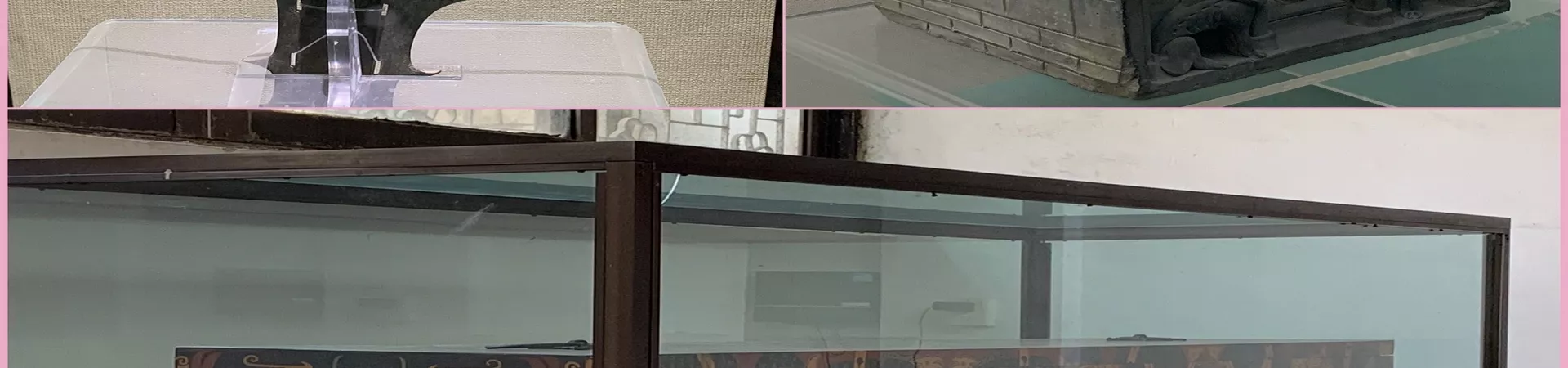
- Lacquerware: The Pinnacle of Chu Artistry: The Chu are renowned for their exquisite and technologically advanced lacquerware. The museum displays a breathtaking collection of lacquer items—from elegant vessels and ornate toilet boxes to intricate figurines. Their vibrant red and black colors, preserved miraculously over 2,000 years, and the detailed paintings of dragons, phoenixes, and swirling clouds offer a direct window into Chu mythology and daily life.
- Textiles and Personal Adornments: Exquisite silk embroideries, jade pendants, and bronze mirrors reveal the sophistication of Chu fashion and craftsmanship. These items speak volumes about the social status, beliefs, and artistic sensibilities of the Chu elite.
- Archaeological Crown Jewels: The museum proudly houses nationally celebrated artifacts unearthed from local tombs, such as the famous bamboo slips from the Guodian tombs, which contain invaluable early versions of Taoist and Confucian texts, and the exceptionally well-preserved ancient corpses, providing unparalleled insights into ancient burial customs and material culture.
From Imperial Unification to Modern Jingmen
Following the decline of the Chu, the exhibition continues through subsequent dynasties—Han, Tang, Song, Ming, and Qing. This section illustrates the region's integration into the unified Chinese empire, showcasing everyday ceramics, coins, architectural components, and religious sculptures. It traces the continuity and transformation of local culture, connecting the ancient past to the formation of modern Jingmen's identity.
Practical Information for Your Visit
To ensure a smooth and enriching experience, please note the following essential details.
- Contact Information: For any inquiries, you may contact the museum at +86-724-2345328.
- Operating Hours: The museum is open from 9:00 AM to 5:00 PM, Tuesday through Sunday. The last admission is at 4:30 PM. The museum is closed to the public on Mondays (except for public holidays that fall on a Monday, in which case it is advisable to confirm ahead of your visit).
Enhancing the Visitor Experience
Beyond the static displays, the Jingmen Museum employs various modern methods to engage its audience. Detailed bilingual captions (Chinese and English) accompany major artifacts. Multimedia installations, including touch-screen interfaces and short documentaries, provide contextual background on archaeological excavations and historical reconstructions. The museum also features a well-stocked gift shop where visitors can purchase replicas of famous artifacts, scholarly publications, and cultural souvenirs.
A visit to the Jingmen Museum is not merely an observation of ancient objects; it is an immersive dialogue with a pivotal chapter of China's history. It challenges the visitor to look beyond the familiar narratives centered on the Yellow River and to appreciate the immense diversity and contribution of regional states like Chu to the tapestry of Chinese civilization. Each artifact, from the grandest bronze ding to the most delicate lacquer cup, is a silent testament to a culture that was both fiercely independent and remarkably innovative, whose echoes can still be felt in the region today.