Huangxian Cave
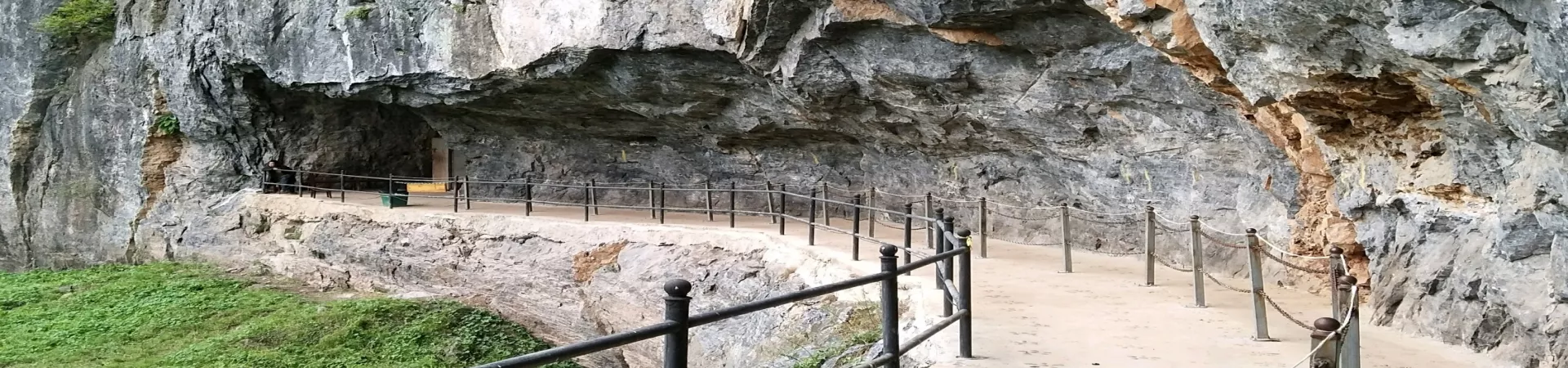
Subtitle: A Journey into the Heart of Karst Majesty: Huangxian Cave, Jingmen
1. Introduction and Overview Nestled within the majestic Dahong Mountain Range in Hubei Province, Huangxian Cave, colloquially known as the "Golden Cave," stands as a crown jewel of China's National Dahongshan Scenic Area. This 4A-rated attraction, located approximately 52 kilometers from Zhongxiang City in the town of Kedian, is far more than a simple geological formation; it is a breathtaking subterranean realm where nature's patient artistry over millions of years is displayed in spectacular fashion. The cave offers visitors an unparalleled opportunity to witness the powerful forces of karst processes, resulting in a labyrinth of awe-inspiring formations, rich cultural history, and an almost otherworldly atmosphere. It represents a perfect synthesis of natural wonder and historical intrigue, making it an essential destination for travelers seeking both visual grandeur and profound geological insight.
2. Geological Marvel and Interior Landscape 2.1. The Grand Entrance and Formation The adventure begins at the cave's imposing northwestern entrance, a colossal opening measuring 100 meters high and 70 meters wide, hinting at the vastness within. Extending over 2,500 meters, the cave's interior is a complex, winding network of passages, chambers, and galleries. Its extraordinary features are the product of the relentless dissolution of limestone by acidic natural and groundwater over an immense geological timeframe. This process, known as karstification, has sculpted an underground universe of staggering diversity and scale.
2.2. A Symphony of Speleothems Inside, the cave is a veritable museum of speleothems (cave formations). Stalactites, stalagmites, stone columns, stone curtains, and stone waterfalls adorn every turn. These formations exhibit a stunning palette of colors—reds, yellows, whites, and browns—glittering like jade and emerald under the carefully placed illumination. The scenery is simultaneously majestic, intricate, and dreamlike, inviting contemplation of nature's slow, creative power. Among the countless formations, specific shapes have been imaginatively named by generations of observers, such as the "Immortal Crane Topping the Moon," "Dragon Pool Waterfall," and "Crystal Jade Wall."
2.3. The Crown Jewel: The "Cloud Basin" Karst Phenomenon The cave's most significant geological claim to fame is its immense "Cloud Basin" (Yunpen) landscape. Covering an area exceeding 20,000 square meters, this expansive field of rimstone dams and pools is recognized by geologists as a rare and exemplary model of karst topography. Its sheer scale and delicate formations are considered one of the most remarkable spectacles found in any Chinese cave, offering invaluable insight into subterranean hydrological and chemical processes.
3. Key Attractions and Thematic Zones Navigating through Huangxian Cave feels like traversing a mythical world. The interior is informally divided into zones featuring concentrations of named formations that spark the imagination.
3.1. Cultural and Mythological Inspirations Many scenes draw from Chinese legend and folklore. Visitors can spot formations resembling "The Great Sage Reading Scriptures," "Goddess's Garment," and "Nezha's Birth." The "Marine Life" section features shapes like "Dolphin Leaping the River" and "Crocodile Playing in Water," while the "Celestial Landscape" zone includes wonders like the "Milky Way Falling from the Sky" and "Southern Heaven Twin Pagodas."
3.2. The Iconic Highlights Two features stand out as the most renowned. The first is "The Great Change from Sea to Mulberry Fields" (Canghai Sangtian), a vast, dramatic area that visually narrates the geological upheaval of ancient seabeds rising to form mountains. The second is the "Heavenly Ladder to Niangniang Village," a steep, remarkable passage that historically connected the cave directly to the secluded mountain community of Niangniangzhai above, symbolizing a link between the subterranean and the earthly worlds.
4. Historical, Cultural, and Practical Information 4.1. A Repository of Human History Huangxian Cave's allure has captivated people for centuries. It has long been a sacred site for Buddhist and Taoist monks, as well as a source of inspiration for scholars and poets. This rich human interaction is evidenced by the numerous moya cliff carvings, stone tablets, and inscriptions found within and around the cave entrance. These artifacts add a profound cultural and historical dimension to the natural beauty, telling stories of spiritual pursuit and artistic admiration across dynasties.
4.2. Visitor Logistics and Local Offerings For the modern visitor, the cave is well-supported by local amenities. The surrounding area offers various farmhouse-style restaurants serving authentic local cuisine. For accommodation, the Huangxian Cave Villa, a three-star hotel with approximately 60 rooms, provides comfortable lodging near the site. Visitors can also explore local specialty products such as shiitake mushrooms, black fungus, kudzu root powder, and ginkgo nuts, which make for excellent souvenirs.
4.3. Essential Details for Planning * Location: Kedian Town, Zhongxiang City, Jingmen, Hubei Province. Core attraction of the National Dahongshan Scenic Area. * Contact: +86-724-4382222 * Operating Hours: 08:30 - 17:30 daily (last admission at 17:00). These hours are generally consistent throughout the year. * Note: The information presented reflects updates as of early 2023. It is always advisable to verify opening times and conditions prior to your visit.