Yuyao Factory Site
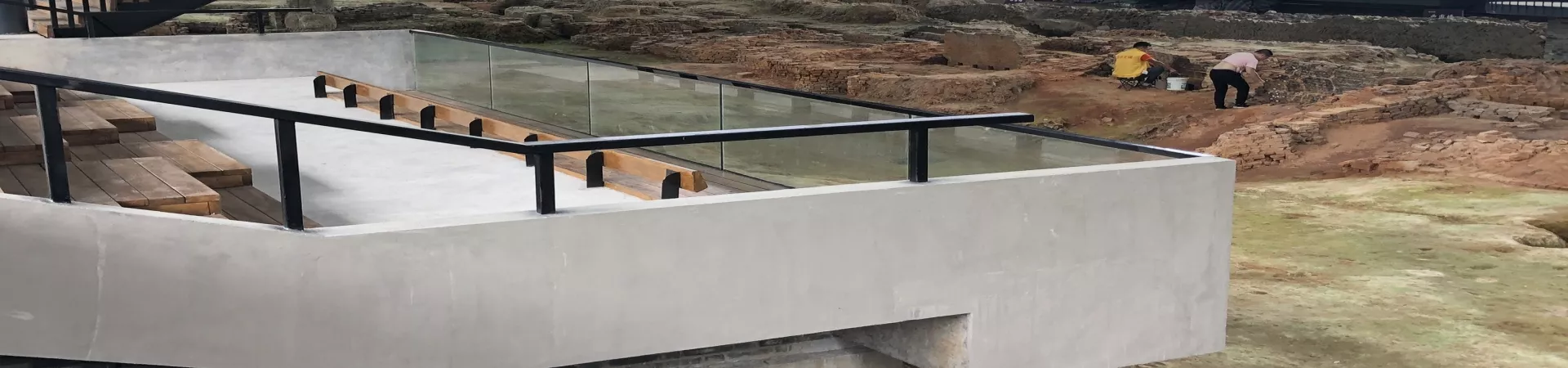
Subtitle: A Journey Through Imperial Kiln Heritage: Unveiling the Secrets of Jingdezhen's Porcelain Empire
Introduction: The Heart of Imperial Ceramics
Nestled within the ancient city of Jingdezhen, a name synonymous with porcelain for over a millennium, lies the profound historical site of the Imperial Kiln Factory, now officially known as the Imperial Kiln National Archaeological Park. This hallowed ground represents the absolute apex of Chinese ceramic production, serving as the exclusive manufacturing center for the imperial household across the Yuan, Ming, and Qing dynasties. More than just a collection of ruins, the park is a tangible portal into the meticulous world of "guan yao qi" (official ware), where artistry met imperial decree, and every fragment tells a story of exquisite craftsmanship, supreme power, and cultural exchange. For any visitor seeking to understand the soul of Jingdezhen and the global legacy of Chinese porcelain, this site is an indispensable and awe-inspiring destination.
1. A Legacy Unearthed: The Archaeological Significance
The true majesty of the Imperial Kiln Factory lies beneath the surface. The site's underground cultural deposits are extraordinarily rich, a densely layered archive of China's ceramic history. Systematic archaeological excavations have yielded treasures that have reshaped scholarly understanding.
- 1.1. Chronological Revelations: Discoveries span centuries, including rare Yuan dynasty official wares and a vast, continuous sequence of Ming dynasty artifacts from the reigns of Hongwu, Yongle, Xuande, Zhengton, Chenghua, Hongzhi, and Zhengde. This unbroken archaeological record provides an unparalleled physical timeline of evolving styles, techniques, and imperial tastes.
- 1.2. The "Guanyao" System: The recovered pieces are the direct products of the "imperial kiln" system. This system mobilized the finest materials and the most skilled artisans under strict supervision to create pieces solely for palace use, ritual purposes, and diplomatic gifts. The sheer quality and technical perfection found here, even in shards, set the global standard for porcelain for centuries.
- 1.3. A Sole Surviving Relic: Amidst the reconstructed foundations, a poignant reminder of the original factory survives. Just five meters from the site of the old municipal government gate, a solitary stone well stands. This well is the only above-ground structure remaining from the original Ming dynasty Imperial Factory complex, a silent witness to the daily life and industry that once thrived here.
2. The On-Site Museum: Interpreting the Porcelain Capital
While the archaeological ruins themselves are compelling, the true key to unlocking their secrets is the excellent on-site museum, often referred to as the Jingdezhen Museum associated with the Imperial Kiln. This modern facility is expertly curated to contextualize the artifacts unearthed from the surrounding land.
- 2.1. A Historical Panorama: The museum's exhibits guide visitors through the sweeping history of Jingdezhen itself, from its early origins to its zenith as the world's porcelain capital. It illustrates how the city's fortunes were inextricably linked to the Imperial Kiln Factory.
- 2.2. The Artisan's Process: One of the museum's most fascinating sections is dedicated to the intricate, step-by-step process of traditional porcelain creation. From the meticulous preparation of kaolin clay ("china clay") to throwing, glazing, and the alchemy of high-temperature firing, the displays demystify the incredible labor and expertise behind each object.
- 2.3. Science of Glaze and Form: A deep dive into the classification and history of ceramic glazes reveals the technological and artistic innovations pioneered here. Exhibits also showcase the stunning variety of forms produced—from delicate stem cups and elegant vases to large ceremonial vessels—highlighting the functional and aesthetic demands of the imperial court.
3. Practical Visitor Information
3.1. Location and Access: The Imperial Kiln National Archaeological Park is located centrally within Jingdezhen. Public bus routes provide convenient access; visitors can take bus numbers 10, 12, 16, 17, or 18 and alight at the "Nantoutou" (South Gate Head) station, followed by a short walk to the park entrance.
3.2. Admission and Hours: * Admission Fee: Entry to the park and museum is currently free of charge. Please note that this information is subject to change, and it is always advisable to verify the latest policy through official channels prior to your visit. * Opening Hours: The park is open daily from 8:00 AM to 6:00 PM throughout the year.
3.3. Suggested Duration: To fully appreciate the outdoor archaeological sites, the museum's comprehensive exhibits, and the serene atmosphere of the park, a visit of 1 to 3 hours is recommended. This allows for a paced exploration without feeling rushed.
4. The Enduring Impact
Walking through the Imperial Kiln National Archaeological Park is an immersive experience that transcends mere sightseeing. It is where one can stand on the very ground where master potters shaped global luxury for emperors. The site, complemented by its insightful museum, does not merely display history; it allows you to trace the lineage of artistic brilliance, feel the weight of imperial ambition, and comprehend why Jingdezhen's porcelain became a cornerstone of material culture and a defining symbol of Chinese civilization. It is a place where broken pottery sherds speak volumes, connecting the present to a glorious, refined past.