Yaoli Ancient Town
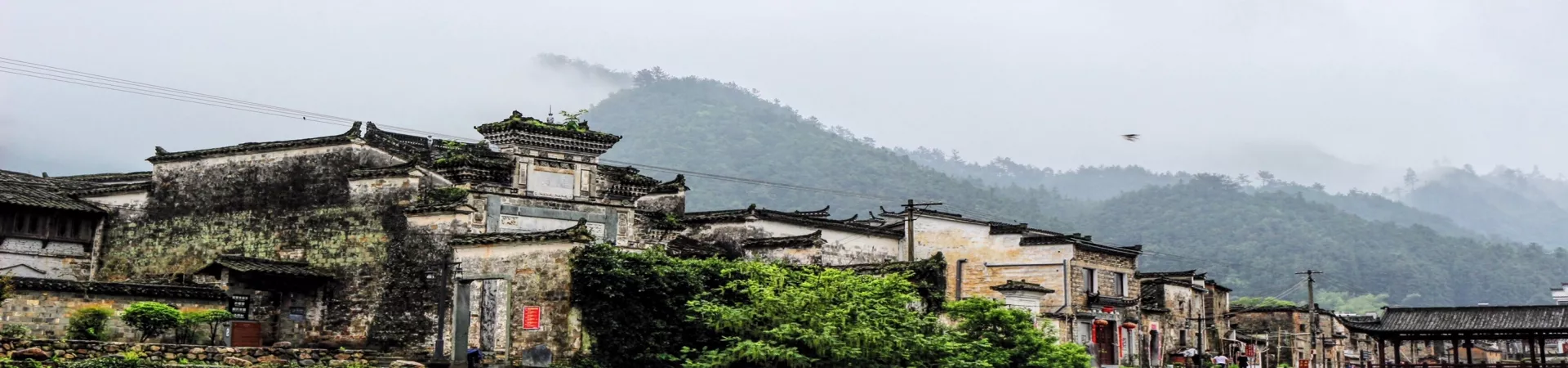
Subtitle: The Ancient Cradle of Porcelain, Embraced by Forests and Tea Gardens
1. Introduction: A Living Museum at the Source of Jingdezhen's Legacy
Nestled within the lush, mountainous landscapes of Jiangxi Province, Yaoli Ancient Town stands not merely as a scenic retreat but as a foundational pillar in the history of Chinese ceramics. Revered as the "Source of Porcelain, Home of Tea, and Sea of Forests," this nationally recognized historical and cultural town is where the illustrious story of Jingdezhen porcelain truly began. Far from being a static relic, Yaoli is a harmonious tapestry woven from profound cultural heritage, breathtaking natural beauty, and enduring rural tranquility. It offers visitors a rare opportunity to walk through time, tracing the origins of an art form that captivated the world while immersing themselves in an environment of serene, almost untouched, beauty. A visit here is a journey to the very heart of a tradition that defined a region's identity for centuries.
2. The Historical and Cultural Tapestry: Porcelain, Architecture, and Commerce
2.1. The Cradle of Ceramics: "The Source of Porcelain" Yaoli's paramount significance lies in its status as the birthplace of Jingdezhen's porcelain industry. Centuries before Jingdezhen became the imperial kiln center, the artisans of Yaoli were mastering the craft. The town's rich kaolin clay deposits, pristine water from its surrounding forests, and the abundant firewood needed for kilns created the perfect conditions for early ceramic production. Remnants of ancient dragon kilns, pottery shards, and historical records embedded in the town's memory attest to this pioneering role. Visiting Yaoli is thus a pilgrimage to the origins, providing essential context for the global phenomenon that Jingdezhen later became.
2.2. Architectural Heritage: Ming and Qing Dynasty Elegance The town's historical wealth is palpably embodied in its well-preserved architecture. Strolling through Yaoli, one encounters a substantial collection of residential buildings from the Qing Dynasty and earlier. These structures, characterized by the distinctive Hui-style architecture—white walls, dark grey tiles, elegant horse-head gables, and intricate wood carvings—speak of a prosperous past built on ceramics and tea. They are not isolated museums but form the very fabric of the living community.
2.3. The Pulse of Ancient Trade: The Ming-Qing Commercial Street At the center of this architectural splendor runs the Ming-Qing Commercial Street, once one of the most bustling sections of the ancient Huizhou trade route. This flagstone-paved street, flanked by aged shop-houses with wooden facades, was the vibrant artery through which locally produced porcelain, tea, and forest goods flowed to distant markets. Imagining the cacophony of merchants, the clatter of pack animals, and the daily commerce that thrived here adds a dynamic layer to the tranquil atmosphere found today. Additional historical infrastructures like ancient stone bridges and river码头 (wharves) further complete the picture of Yaoli as a vital, self-sufficient commercial hub in its heyday.
3. The Natural Sanctuary: "Home of Tea and Sea of Forests"
3.1. A Verdant Embrace: Mountains and Primeval Forests Yaoli's charm is profoundly amplified by its spectacular natural setting. The town is cradled by rolling mountains and enveloped by vast, deep primeval forests. This "Sea of Forests" creates an atmosphere of serene seclusion and provides a constant, refreshing breeze. The air is rich with the scent of damp earth and pine, and the dense canopy offers a respite from the sun, making the area a renowned summer retreat.
3.2. Waterways and Symphony: Streams, Waterfalls, and Wildlife The landscape is animated by a network of clear, gurgling streams that meander through the town, crossed by quaint stone bridges—a classic "small bridges over flowing water" scene. The soundscape is a gentle symphony of babbling brooks, the distant roar of flying waterfalls and flowing springs, and the melodic chirping of birds. This pristine environment supports diverse flora and fauna, inviting visitors to slow down and connect with nature. The surrounding hills are also adorned with terraced tea gardens, contributing to the region's fame as a producer of fine tea and offering picturesque vistas.
4. Practical Information for Visitors
4.1. Admission Fees (Updated as of May 2023) * General Admission: Full price ticket is 110 RMB. * Half-price Ticket (55 RMB): Applicable to: * Children with height between 1.2 meters (inclusive) and 1.4 meters (exclusive). * Seniors aged 60 (inclusive) to 65 (exclusive) upon presentation of a senior certificate or ID card. * Full-time undergraduate and lower-level students with a valid student ID. * Free Admission: Granted to: * Children under 1.2 meters (exclusive) in height. * Seniors aged 65 and above with a senior certificate or ID. * Individuals with disabilities (with disability certificate). * Active military personnel (with valid military ID). * Tour guides (with national guide certificate). * Travel agency managers (with valid qualification certificate for inspection or tour groups). * Journalists (with press card issued by the State Administration of Press and Publication). * Academicians of the Chinese Academy of Sciences and Chinese Academy of Engineering. * Members of the Chinese Writers Association and Chinese Photographers Association.
4.2. Operating Hours The town is generally open to visitors daily from 08:00 to 18:00. It is advisable to arrive with sufficient time to explore comfortably.
4.3. Suggested Duration and Contact A comprehensive visit to explore the ancient streets, key historical sites, and enjoy the natural scenery typically requires a full day. For the latest information or specific inquiries, you may contact the site at 0798-2601228.
4.4. The Visitor Experience: Immersion Over Itinerary The true essence of Yaoli is best captured not by a hurried checklist but through immersion. It is in the quiet moments: watching the morning mist rise over the tea terraces, tracing the carvings on a centuries-old wooden doorway, listening to the timeless flow of the river beside ancient wharves, or simply enjoying a cup of local tea in a courtyard shaded by old trees. The town invites contemplation and leisurely exploration, allowing the layers of its history as the porcelain source, the architectural whispers of the Ming and Qing dynasties, and the calming presence of its natural "sea of forests" to unfold at their own, graceful pace.