Taoxichuan Cultural and Creative District
Subtitle: From Industrial Relic to Cultural Beacon: The Rebirth of Jingdezhen's Porcelain Heritage
I. Introduction: The Phoenix of Porcelain Nestled in the heart of the world-renowned "Porcelain Capital," Jingdezhen's Taoxichuan (Ceramic Art Avenue) Creative Block stands as a monumental testament to the city's enduring legacy and its dynamic evolution. More than just a tourist destination, it is a vibrant, living narrative of transformation—where the soot-stained bricks of century-old kiln factories have been meticulously repurposed into a sprawling hub of art, commerce, and cultural dialogue. This is not a museum frozen in time, but a pulsating artery of contemporary creativity, where the ancient spirit of porcelain is continually re-fired in the kilns of modern imagination. For any visitor to China seeking an authentic encounter with a profound craft tradition seamlessly woven into a 21st-century urban fabric, Taoxichuan offers an unparalleled and deeply immersive experience.
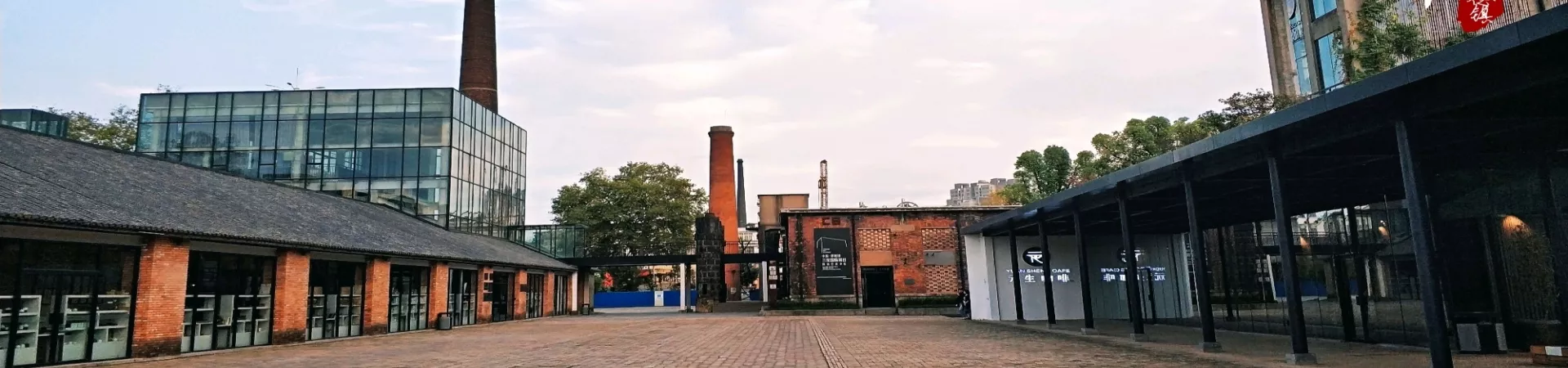
II. The Historical Canvas: Industrial Bones Reimagined A. A Legacy Cast in Brick and Flame The very ground and structures of Taoxichuan are imbued with history. The district's core is formed from the preserved and renovated complexes of the state-owned Jingdezhen Porcelain Factory, a key industrial site that operated for decades. These buildings, characterized by their distinctive industrial architecture—high ceilings, exposed red brick, vast workshop spaces, and the iconic towering chimneys—are silent witnesses to the labor and artistry that fueled the city's global reputation. The adaptive reuse of this heritage site is a masterstroke of cultural preservation, ensuring that the physical memory of Jingdezhen's industrial porcelain era is not erased but celebrated and given new purpose.
B. Architectural Philosophy: Dialogue Between Old and New The renovation philosophy consciously avoids mere replication or sterile restoration. Instead, it fosters a deliberate and respectful dialogue between the old and the new. Original industrial elements like kiln foundations, machinery parts, and railway tracks are ingeniously integrated into the landscape and interior designs. Juxtaposed against these are sleek glass facades, contemporary steel frameworks, and minimalist interior layouts. This architectural conversation allows visitors to literally walk through layers of history, feeling the weight of the past while breathing the innovative air of the present. The space itself becomes an exhibit, telling the story of renewal before a single artifact is viewed.
III. The Core Experience: A Multifaceted Cultural Ecosystem A. Creative Studios and Gallery Spaces At its heart, Taoxichuan is a sanctuary for artists. Numerous studios and open workshops are inhabited by both master potters and emerging talents from across China and the world. Visitors have the rare opportunity to observe artists at work—throwing clay on wheels, hand-painting intricate designs, or overseeing kiln firings. Many studios are open to the public, allowing for direct interaction and the chance to purchase unique, handcrafted pieces directly from their creators. Furthermore, a network of high-caliber galleries hosts rotating exhibitions, showcasing everything from traditional imperial-style porcelain to groundbreaking contemporary ceramic sculptures, positioning Jingdezhen firmly at the forefront of global ceramic art discourse.
B. The Taoxichuan Art Center: A Cultural Anchor A central landmark within the block is the Taoxichuan Art Center, often housed in one of the most dramatically renovated factory buildings. This center serves as a premier venue for major exhibitions, international art fairs (most notably the annual Jingdezhen International Ceramic Art Fair), academic symposiums, and cultural lectures. It is the intellectual and curatorial engine of the district, attracting scholars, collectors, and art enthusiasts globally. Checking its schedule in advance is highly recommended, as it frequently hosts world-class displays that define thematic trends in ceramic art.
C. Commerce, Culinary Delights, and Nightlife Beyond pure artistry, Taoxichuan has blossomed into a full-fledged lifestyle destination. * Designer Boutiques & Craft Markets: Chic boutiques offer curated selections of porcelain ware, from daily-use tableware to avant-garde decorative objects. Weekend craft markets buzz with energy, where independent designers and local artisans sell their creations, making for perfect souvenirs. * Culinary Scene: The district caters to diverse palates. Restaurants range from cozy cafes housed in old kiln rooms serving artisanal coffee in handmade cups, to upscale dining establishments where local Jiangxi cuisine is presented on exquisite custom-made porcelain. The integration of the ceramic theme into the dining experience is meticulous and enhances the overall sensory journey. * Vibrant Nightlife: As dusk falls, Taoxichuan undergoes a subtle transformation. The illuminated industrial architecture creates a dramatic backdrop. Trendy bars, live music venues, and quiet tea houses come to life, offering spaces for relaxation and socializing amidst the historic setting.
IV. Practical Information for the Visitor A. Hours of Operation and Admission The Taoxichuan Creative Block as an open-area district is accessible to the public daily from 10:00 to 22:00. General admission to stroll through the streets, courtyards, and many public areas is free of charge, allowing for unfettered exploration of its atmospheric lanes and architectural wonders.
B. Navigating Internal Attractions and Fees It is important to note that while the district itself is free, specific internal venues charge separate admission fees. These typically include: * Key museum exhibitions within the Taoxichuan Art Center or other gallery spaces. * Special themed exhibitions or temporary installations. * Certain hands-on workshop experiences (though many studios allow free viewing). Fees, opening hours for specific pavilions, and exhibition details are subject to change. Visitors are strongly advised to consult the official Taoxichuan website or on-site announcement boards for the most current information upon arrival. A general reference visit duration for the comprehensive experience is 2-3 hours, though art lovers can easily spend half a day or more.
C. Getting There and Contact Taoxichuan is conveniently located within Jingdezhen's city proper, easily reachable by taxi or ride-hailing services. While specific contact numbers for the management may be available, the most efficient way for visitors to plan is through official digital channels. The immersive experience lies in wandering, observing, and engaging directly with the environment and its artisans.
In essence, a visit to Taoxichuan is a journey through the complete lifecycle of Jingdezhen's identity. It connects the tangible heritage of its industrial past with the vibrant, creative forces shaping its future. It is a place where one can witness a lump of clay being transformed on a potter's wheel in a sun-dappled studio, and later admire a finished, world-class ceramic masterpiece in a sleek gallery—all within the same historic walls. This seamless continuum is what makes Taoxichuan not just a destination, but a profound and inspiring dialogue with the very soul of porcelain.