Sanbao Ceramic Art Institute
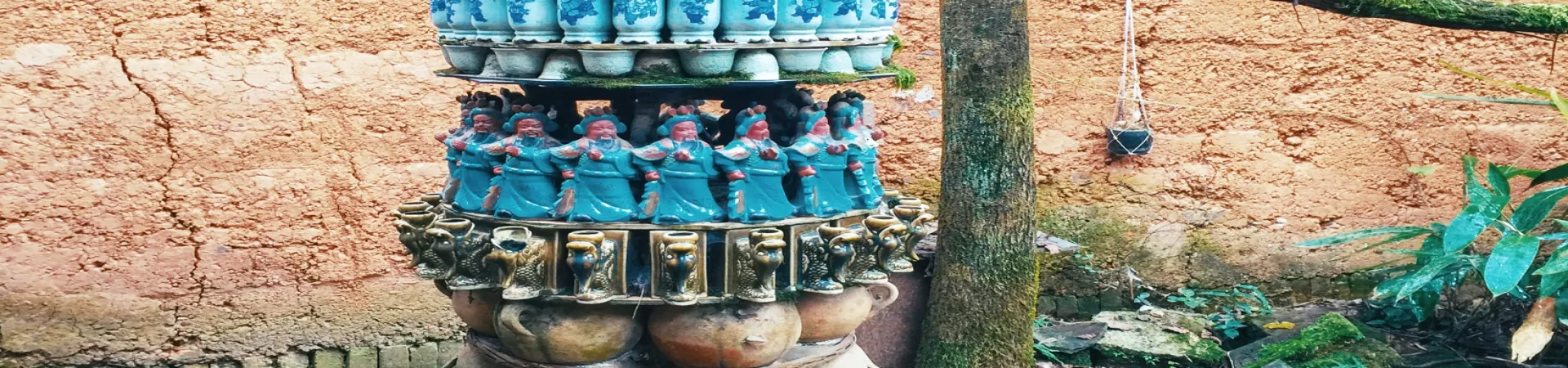
Subtitle: A Journey into the Heart of Ceramic Heritage and Rustic Artistry
1. Introduction: The Genesis of an Artistic Sanctuary
Nestled in the verdant outskirts of Jingdezhen, the city synonymous with porcelain for over a millennium, lies the Sanbao International Ceramic Art Village. This unique enclave is not a purpose-built tourist attraction but an organic evolution of art, history, and rural life. It was founded upon a simple yet profound vision: to preserve the authentic spirit of Jingdezhen's ceramic culture while creating a global crossroads for artistic exchange. The village masterfully integrates clusters of traditional, decades-old farmhouses and original workshop spaces into a living, breathing museum and a dynamic creative colony. It offers a stark and beautiful contrast to urban life, presenting visitors with an unfiltered glimpse into the primal origins of ceramic art, set against a backdrop of serene, unspoiled natural beauty.
2. The Architectural and Cultural Tapestry: A Living Museum
2.1. Vernacular Architecture: Walls That Tell Stories The physical soul of Sanbao Village is its architecture. The compound walls are not mere boundaries; they are historical artifacts constructed around twenty years ago using the ancient "rammed earth" technique, locally known as "gan da lei." This method, utilizing local soil, bamboo, and wood, results in textured, earthy walls that blend seamlessly into the landscape, embodying harmony with nature. These walls stand as silent witnesses to the passage of time and the enduring wisdom of local building traditions.
2.2. Time-Capsule Interiors: Relics of Daily Life Stepping inside the workshops and dwellings is akin to traveling back in time. The interiors are conscientiously preserved, furnished with the very production tools and domestic utensils used by local villagers decades ago. From rustic wooden wheels and hand-crafted kiln tools to simple household pottery, every object has a patina of use and history. This deliberate preservation transforms the space into an immersive ethnographic museum, where the line between exhibition and lived-in space beautifully blurs, vividly illustrating the deep interconnection between daily life and ceramic craft in this region.
3. The Creative Pulse: Artisans and Artists in Residence
3.1. Guardians of Tradition: The Local Artisans At the core of the village's daily rhythm are approximately ten master craftsmen. They work persistently within these authentic settings, employing the most fundamental, time-honored methods to produce pottery and the specialized tools required for ceramic creation. Watching them wedge clay, throw on kick-wheels, and trim pieces with age-old techniques is a masterclass in primal skill. Their work is not a performance for tourists but the continuation of a lineage, ensuring that the foundational techniques of Jingdezhen's porcelain legacy remain alive and tactile.
3.2. A Global Melting Pot: The International Artist Community Sanbao's authentic charm and profound cultural aura have magnetized a diverse community of ceramic artists from across China and the globe. Many choose to reside here for extended periods, drawn by the unique energy that fuses raw, rustic inspiration with deep historical roots. This influx has transformed the village into a thriving international artistic hub—a true "ceramic utopia" or "Tao" source (a clever homophone in Chinese, playing on "ceramic" and the philosophical concept of "the way"). The creative dialogue between resident international artists and local masters fosters a dynamic, cross-pollinating environment where contemporary ideas engage in a constant, respectful conversation with ancient tradition. While it shares the vibrant, avant-garde spirit of art districts like Beijing's 798, Sanbao is distinguished by its profound local cultural substrate and its untouched, pastoral setting.
4. Practical Information for the Visitor
4.1. Admission and Operating Hours A significant appeal of Sanbao Village is its accessibility. Admission to the main village area is free of charge, allowing visitors to explore the rustic lanes, exterior workshops, and natural surroundings without constraint. The village is open 24 hours a day, every day of the year. However, it is crucial to note that specific internal studios, exhibition halls, or artist workshops may have their own independent operating hours. Visitors are advised to check on-site signage or inquire locally for access to particular indoor attractions.
4.2. Planning Your Visit and Connectivity To fully absorb the atmosphere, observe artisans at work, and perhaps interact with resident artists, a visit of approximately one full day is recommended. This allows time to wander leisurely, contemplate the environment, and appreciate the nuanced details of life and art here. For inquiries, the village can be contacted via telephone at 0798-8496513 or 0798-8483665.
4.3. Experiential Tips for an Enriching Visit * Embrace the Rustic: Sanbao is about authenticity, not luxury. Come prepared for uneven paths and simple facilities. The beauty lies in its unvarnished reality. * Observe Respectfully: Remember that many spaces are active studios and private residences. Always seek permission before entering workshops or taking close-up photographs of artists at work. * Engage and Inquire: If opportunities arise, don't hesitate to ask artists or craftsmen polite questions about their process. Many are passionate about sharing their knowledge. * Beyond the Village: The surrounding area of Sanbao Valley offers lovely streams, bamboo forests, and hiking trails. Consider extending your exploration into the natural landscape that inspires much of the art created here.
Information last verified: January 2023.