Jingdezhen Ceramic University
Subtitle: A Visitor's Guide to Jingdezhen Ceramic University: The Heart of China's Porcelain Capital
1. Introduction: The Premier Institution of Porcelain Nestled in the historic city that gave it its name, Jingdezhen Ceramic University (JCU) stands as a living testament to and a dynamic driver of the ceramic arts. Located in Jingdezhen, a city synonymous with porcelain for over a millennium, the university is not merely an educational institution but a core piece of the cultural and artistic soul of the "Porcelain Capital." It holds the unique distinction of being China's only multidisciplinary undergraduate university dedicated specifically to the art, science, and industry of ceramics. For any visitor to Jingdezhen with an interest in the depth and future of ceramic art, a visit to or an understanding of this university is essential. It serves as the critical bridge between the city's glorious past and its innovative future, where ancient kiln sites and modern studio laboratories exist in a compelling dialogue.
2. Historical Significance and Academic Profile 2.1. A Legacy of Specialized Excellence The university's roots are deeply intertwined with China's modern industrial and artistic heritage. It was once directly under the administration of the former National Light Industry Ministry, reflecting its crucial role in the technical and artistic development of the national ceramic sector. In 1998, its administrative model shifted to a joint development system between the central government and local authorities, primarily managed by Jiangxi Province. This history underscores its longstanding national importance.
2.2. A Recognized Leader in Art Education JCU is prominently ranked among the thirty-one independent undergraduate art academies in China, a designation that highlights its specialized focus and high standards in artistic education. It is also recognized as one of the first institutions in the country authorized to independently enroll undergraduate art students. Furthermore, its stature extends internationally, as it is among the select Chinese universities qualified to recruit international students for bachelor's and master's degree programs who are recipients of the prestigious Chinese Government Scholarship. This attracts a global community of artists and scholars to its campuses, fostering a rich, cross-cultural exchange centered on clay and glaze.
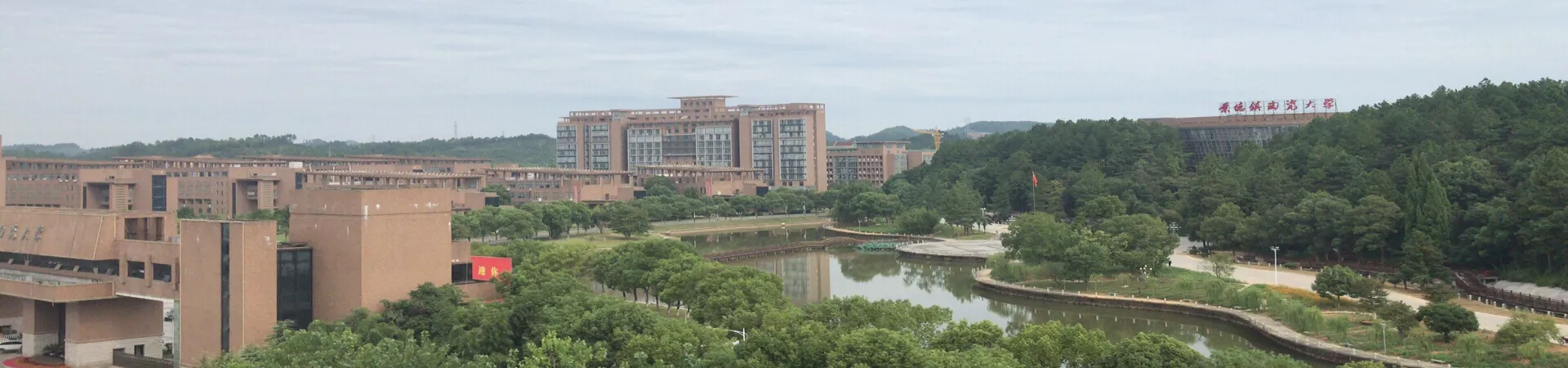
3. Campus and Visitor Experience 3.1. Three Campuses, One Mission The university operates across three campuses within Jingdezhen. While primarily academic environments, they each contribute to the city's ceramic ecosystem. The campuses likely house various faculties, from fine arts and design to materials science and engineering, all unified by the ceramic theme. The atmosphere around the university areas is palpably creative, often integrated with local studios, galleries, and workshops.
3.2. Key Information for Visitors For those planning to explore the university's periphery or visit public-facing facilities such as galleries or exhibition halls, practical information is key.
3.2.1. Transportation The most straightforward public access is via Bus Route 28. Alight at the "Taoyuan New District Station" (陶院新区站), which serves one of the university's campuses. From the bus stop, the relevant campus buildings or public areas are within walking distance. As always, checking local transit apps for the latest routes and schedules is recommended.
3.2.2. Visiting Details Prospective visitors should note that as a functioning university, access to internal academic buildings may be restricted. However, public exhibitions, university-affiliated museums, or gallery spaces may be accessible. There is no standard public entrance ticket for the university itself. For specific information regarding visiting public galleries, viewing student exhibitions, or arranging formal tours, it is advisable to contact the university's administrative offices or check its official website for current visitor information and opening hours for public facilities.
4. The University's Role in Jingdezhen's Cultural Tapestry 4.1. From Preservation to Innovation JCU is far more than a school; it is the engine of contemporary ceramic culture in Jingdezhen. Here, masters of traditional techniques work alongside avant-garde artists and cutting-edge material scientists. Students learn to throw pots on wheels next to kilns that have been in use for centuries, while others experiment with 3D clay printing and new glaze chemistries in modern labs. This unique blend ensures that the traditions of Jingdezhen are not only preserved but are also constantly questioned, evolved, and pushed forward.
4.2. A Must-Understand Landmark For the culturally curious traveler, comprehending Jingdezhen Ceramic University's role adds profound context to a visit to the city. Walking through the ancient streets of the Sculpture Porcelain Factory area or the ruins of the Imperial Kiln, one witnesses the history. At JCU, one witnesses the living, breathing present and future of that history. It is where the porcelain capital's legacy is actively being written for the next generation, making it an indispensable part of the intellectual and artistic landscape for any visitor seeking to move beyond surface-level tourism and engage with the true heart of Jingdezhen's enduring craft.
Information last updated: January 10, 2023. Credit to contributing editor Wangwang.