Expo Area of Acient Kiln & Folk Cultures in Jingde
Subtitle: A Living Museum of Porcelain History and Craftsmanship
1. Introduction Nestled in the heart of Jingdezhen, the city synonymous with porcelain for over a millennium, the Ancient Kiln Folk Customs Exposition Area stands as a monumental testament to China's ceramic heritage. More than just a static museum, it is a vibrant, living chronicle where the very air seems to hum with the legacy of ancient fires. This expansive park is not merely a collection of artifacts but a carefully preserved ecosystem of history, architecture, and ongoing craftsmanship. It offers visitors a unique, immersive journey through time, allowing them to walk in the footsteps of dynastic potters, witness traditional techniques that have defied the ages, and experience the profound cultural soul of Jingdezhen. The site masterfully bridges the gap between a historical archive and a cultural performance, making the illustrious past of Chinese porcelain tangibly present.
2. Exploring the Exposition Area The exposition area is systematically divided into two primary, interconnected zones: the Historical Ancient Kiln Exhibition Area and the Ceramic Folk Customs Exhibition Area. This structure ensures a comprehensive exploration, moving from the grand industrial archaeology of the kilns themselves to the intimate human stories and processes behind the world-famous ceramics.
2.1. The Historical Ancient Kiln Exhibition Area This section is the undeniable cornerstone of the park, featuring an awe-inspiring lineup of authentic, painstakingly preserved kilns from different imperial eras. Each kiln represents a significant technological and architectural evolution in porcelain firing.
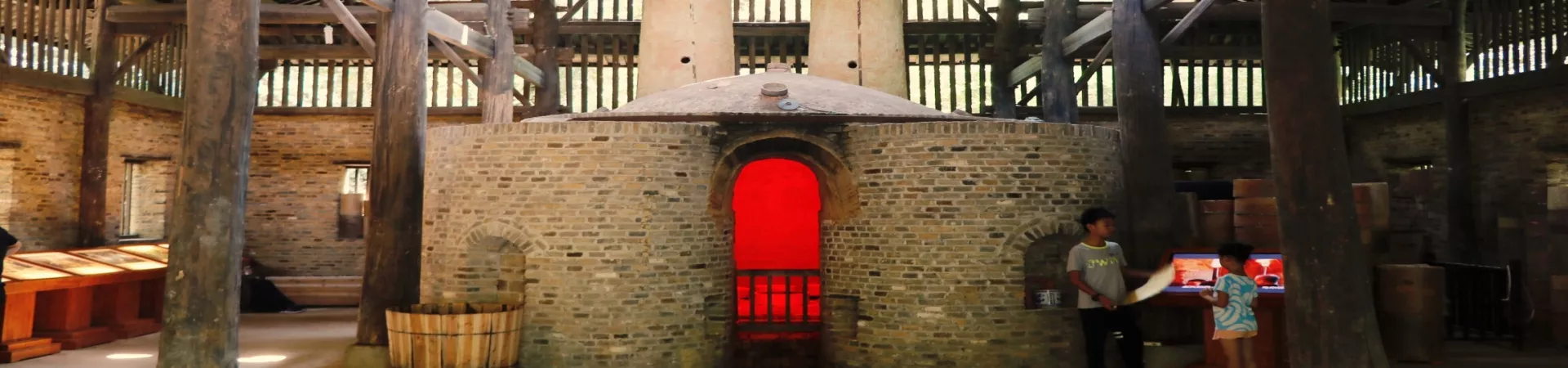
- The Qing Dynasty Zhenyao (镇窑): As one of the largest traditional wood-fired kilns ever discovered, the massive "Town Kiln" is a breathtaking sight. Its egg-shaped chamber and sophisticated structure allowed for the simultaneous firing of tens of thousands of pieces, showcasing the peak of pre-industrial ceramic mass production.
- The Ming Dynasty Huluyao (葫芦窑): The distinctive "Gourd Kiln," named for its shape resembling a double-gourd, was a key transitional design. It improved heat control and distribution compared to its predecessors, reflecting innovations during the Ming period when imperial porcelain demands soared.
- The Yuan Dynasty Mantouyao (馒头窑): The "Steamed Bun Kiln," with its characteristic dome, was a robust and widely used design. Its structure was particularly efficient for reaching the high temperatures required for certain glazes and played a crucial role in the ceramic output of the Yuan era.
- The Song Dynasty Longyao (龙窑): The ancient "Dragon Kiln," built on a hillside slope, is one of the oldest kiln designs in China. Resembling a dragon ascending the mountain, its long, tunnel-like chamber utilized natural upward draft, representing a brilliant early understanding of thermodynamics.
2.2. The Ceramic Folk Customs Exhibition Area This zone breathes life into the historical backdrop by recreating the traditional environment where porcelain was born. It consists of ancient workshops, historic buildings, and serene classical gardens, forming a complete cultural landscape.
- Ancient Workshops and Craft Demonstrations: Here, master artisans practice and demonstrate the complete, time-honored process of porcelain-making. Visitors can observe, and sometimes interact with, craftsmen engaged in every meticulous step: from clay purification (练泥) and throwing on the wheel (拉坯) to painting (画坯) and glazing (施釉). These are not reenactments but the continuation of a living tradition.
- Architectural and Cultural Integration: The area is dotted with well-preserved ancient buildings that served as workshops, studios, and dwellings for potters' communities. These structures, along with the elegant classical gardens, provide context, illustrating how the ceramic industry was woven into the daily life and aesthetic philosophy of old Jingdezhen. This integration makes the site a true microcosm of the city's historical ceramic culture.
3. Unique Experiences and Performances Beyond the static exhibits, the exposition area offers dynamic cultural performances that deepen the visitor's engagement.
3.1. The Porcelain Instrument Performance A truly unforgettable highlight is the performance by the all-female Porcelain Instrument Orchestra. In a stunning fusion of auditory and ceramic art, every instrument in this ensemble—from flutes and chimes to stringed instruments and percussion—is crafted entirely from fine Jingdezhen porcelain. The ethereal, crystalline sounds produced are unique, offering a direct, melodic connection to the material that defines the city. Performance times are usually scheduled throughout the day, and checking the daily schedule upon arrival is highly recommended.
4. Practical Visitor Information To facilitate a smooth and enjoyable visit, please note the following essential details:
4.1. Tickets and Opening Hours * Operating Hours: The park is open daily from 08:00 to 17:30, with last admission at 16:30. * General Admission: 95 RMB for adults. * Concession Tickets: 50 RMB for children (height between 1.2m and 1.4m), full-time students (under 24 years with valid student ID), and seniors aged 60-65. * Free Admission: Applies to children under 1.2m, seniors aged 65 and over (with ID), active-duty and retired military personnel (with valid certificates), and individuals with disabilities (with valid disability certificate). Important Note: Special free admission policies may apply for certain groups (e.g., healthcare workers, students, police officers) during specific promotional periods. It is advisable to verify current policies on the official website or by phone before your visit.
4.2. How to Get There The most convenient public transportation option is to take city bus routes 1, 2, 3, 7, or 10 and alight at the Fengshushan Bus Stop. From the bus stop, it is a pleasant approximately 700-meter walk to the main entrance of the exposition area.
4.3. Suggested Duration To fully appreciate the kilns, workshops, demonstrations, and a performance, a visit of 2 to 3 hours is recommended. This allows for a leisurely pace without feeling rushed.
4.4. Contact Information For the latest information, inquiries, or confirmation of special events, you can contact the exposition area at: * Telephone: 0798-8534444 or 400-118-1728.