Guoyu Village
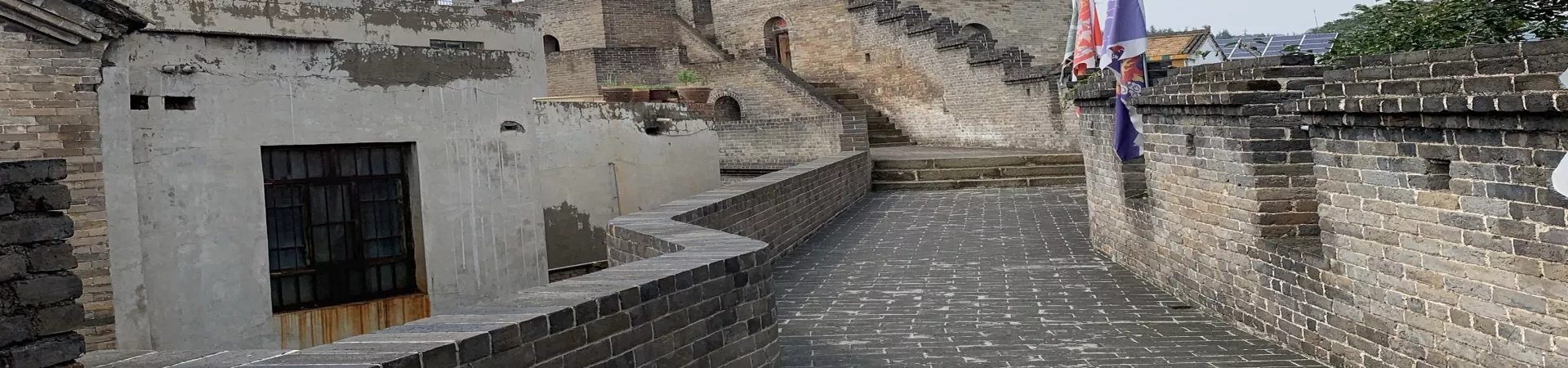
Explore the Rich Heritage of Guoyu Village in Jincheng
Nestled in the heart of Yangcheng County, Guoyu Village, established during the Tang Dynasty, stands as a testament to ancient architectural marvels and cultural significance. Renowned for its Ming-era residences, the imposing Honeycomb Wall, and the venerable Tang Emperor Temple, Guoyu Village has garnered high praise from eminent scholars and experts, affirming its historical and cultural value.
Architectural Marvels: Guoyu Village boasts 40 well-preserved Ming-era residences, showcasing the architectural brilliance of a bygone era. The Honeycomb Wall, erected during the Ming Chongzhen era, stands at an impressive 20 meters in height, 5 meters in width, and stretches over 1400 meters. Noteworthy structures within include the rare nine-bay main hall and a 20-meter high corner stage dating back to the Yuan Dynasty in the Tang Emperor Temple.
Cultural Heritage: This village, home to five to six hundred households, holds a rich cultural heritage. During the Ming and Qing dynasties, it produced eighteen Jinshi scholars and fifteen Juren degree holders. The Confucian concepts of rituals and propriety are reflected in the village's architecture, imparting a profound cultural background and historical value. Guoyu Village is also renowned as a well-off village, with a combined agricultural and industrial output value exceeding 70 million yuan.
Historical Defenses: Guoyu Castle, constructed in 1638 to defend against peasant uprisings, stands as a historical defense structure. With a height of 12 meters, a width of 5.3 meters, and a circumference of 1400 meters, the castle features 450 battlements, three gates, ten enemy towers, and eighteen nests. The unique Honeycomb Castle has undergone restoration in 1994, securing its place as a municipal-level key cultural relic.
Tang Emperor Temple: Commonly known as the Grand Temple, the Tang Emperor Temple, situated within the castle's walls, rises to a height of 28 meters. Originally built during the Yuan Dynasty, the temple underwent expansions and renovations during the Ming and Qing periods. Comprising upper and lower courtyards, the lower courtyard houses dormitories, guest rooms, and a stage, while the upper courtyard features the main hall and side halls.
Yulou Tower: Constructed in 1640, Yulou Tower serves as a military structure alongside Guoyu Castle. Standing at 30 meters in height with seven floors, Yulou Tower has an intricate construction with the bottom layer boasting a thickness of 2 meters and hidden chambers. The upper levels decrease in thickness, culminating in a distinctive and well-preserved structure that remains a testament to the village's strategic defense history.
Guoyu Village, with its blend of architectural grandeur, cultural richness, and historical significance, stands as a captivating destination, inviting visitors to step back in time and immerse themselves in the stories etched in its ancient walls.