Diji City
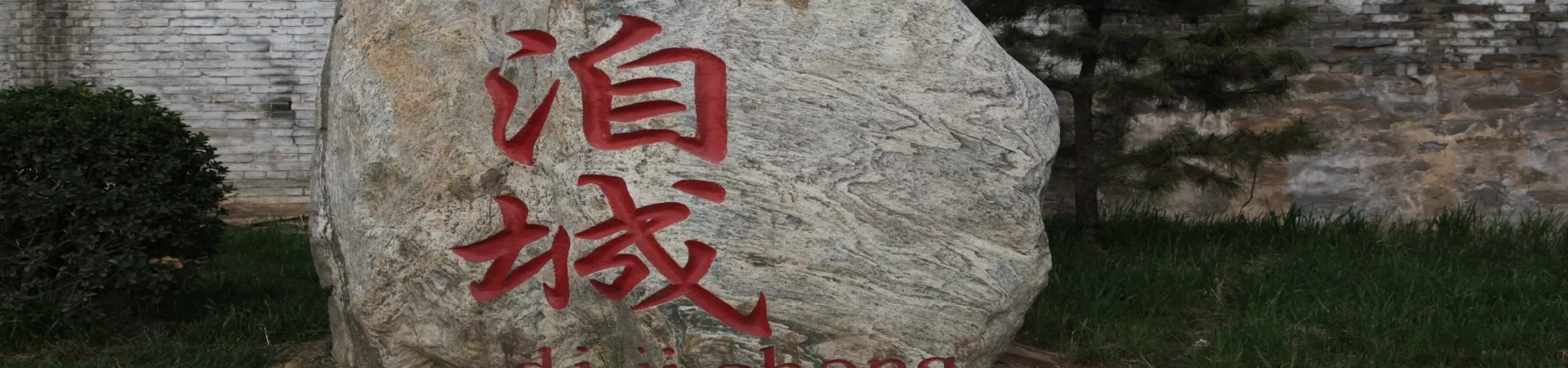
Discovering the Timeless Elegance of Diji City
Introduction: Perched upon a small hill at the confluence of village and river, Diji City stands as a testament to architectural resilience and historical intrigue. Embraced by the gentle flow of the Qin River, this elliptical city, constructed with enduring bricks, unveils a narrative that predates the Ming Dynasty.
Historical Origins: While the exact founding date remains shrouded in the mists of time, historical relics such as the "Mountain City Overview" stele from the 11th year of Chongzhen reign (1638) suggest a genesis preceding the late Ming era. The city's name, Diji, derives from the robust and unyielding pillars resembling sharpened stones that grace its river-facing façade.
Architectural Splendor: Covering an expansive area of approximately 60,000 square meters, Diji City showcases meticulous brickwork, embodying both form and function. The southern front features a prominent gate, rising about ten meters from the ground. The northern riverfront wall, standing over 20 meters tall, once housed battlements and artillery platforms, now regrettably eroded by the ravages of time.
Intricate Layout and Design: Diji City unfolds a network of orderly pathways, interspersed with residential alleys and thoroughfares. The intricate city planning includes a circular perimeter road, with the rest dedicated to residential alleys. The city boasts ten major neighborhoods, each with its distinct character, creating a harmonious yet diverse urban landscape.
Defensive Fortifications: In times of turmoil, the city gates could be sealed, transforming Diji into a self-contained fortress impervious to external threats. Despite the brick, stone, and wood construction, Diji City was meticulously designed not just for its architectural grandeur but also for practicality and defensive efficacy.
Residential Marvels: Within the city, residential quarters exhibit a thoughtfully designed layout. The tenements, primarily two-story structures with interconnected courtyards, offer a seamless blend of utility and aesthetic appeal. The narrow, deep alleys and connecting skywalks between rooftops facilitate ease of movement for residents.
Cultural Nuances: Each residence proudly bears the inscription "XX Residence," exuding an air of refined elegance. Noteworthy is a courtyard built by a Ming-era merchant, adorned with the inscription "Youhengju" ("Constant Residence"). This four-sided courtyard, replete with delicate wood and stone craftsmanship, epitomizes the distinctive local culture.
Praise from the Ming Era: The illustrious Zhang Shenyan, a Ming-era statesman hailing from Runcheng, bestowed poetic praise upon the local dwellings in 1640. His verses laud the dwellings adorned with bamboo-reflected windows, unobstructed views of flowers, and the interplay of blue smoke against red hues—a testament to the architectural finesse and the distinct charm of a water town reminiscent of the Jiangnan region.
Preservation and Access: Preserving the rich legacy of Diji City necessitates continuous efforts. The site remains accessible to modern enthusiasts, allowing them to traverse the narrow alleys and delve into the profound historical tapestry etched into every brick and stone.
Admission and Hours: Visitors can immerse themselves in the historical ambiance of Diji City for a nominal fee of 30 Chinese Yuan. The gates swing open from 8:00 AM to 7:00 PM, offering ample time to explore the cityscape throughout the year.
Conclusion: Embarking on a journey through the labyrinthine alleys of Diji City is akin to stepping back in time, where architectural prowess converges with historical significance. This resilient city, shaped by centuries of cultural evolution, invites explorers to witness the indomitable spirit encapsulated within its walls and pathways.