Jinjiangli Diaolou Group
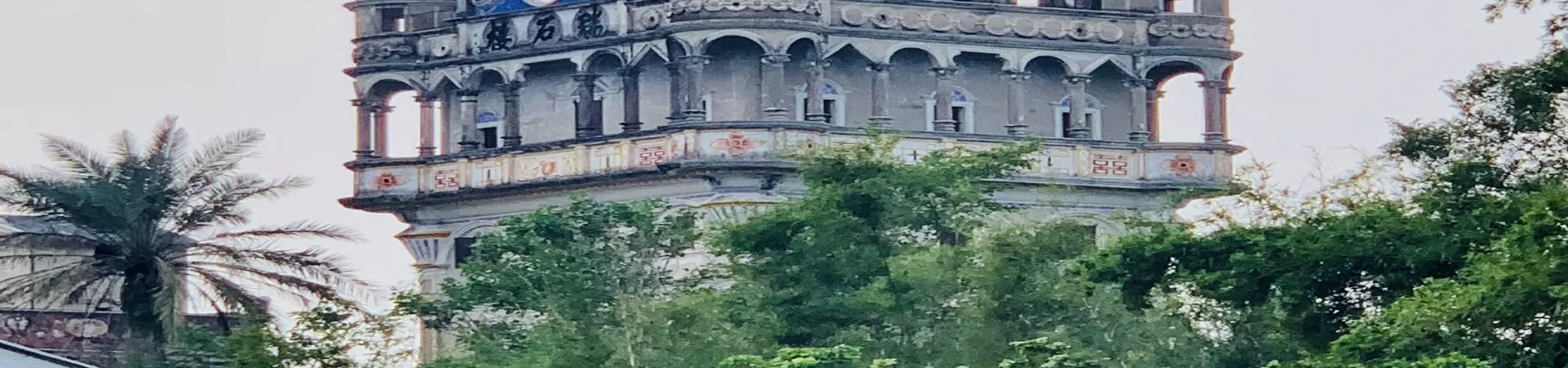
Subtitle: A Journey into the Architectural Marvels of Kaiping Diaolou
Introduction: Sentinels of the Jiangmen Countryside
Nestled within the lush, rolling landscapes of Jiangmen City in Guangdong Province, the Jinjiangli Diaolou Cluster stands as a profound testament to a unique historical and cultural fusion. These fortified tower houses, scattered across the Kaiping region, are not merely buildings; they are stone-bound narratives of the Chinese diaspora, architectural experiments, and a community's resilience. Among the nearly 1,800 diaolou in Kaiping, the group at Jinjiangli is particularly celebrated for hosting some of the most exquisite and well-preserved examples, offering visitors an unparalleled glimpse into a world where East met West under the shadow of necessity and aspiration.
1. The Crown Jewels of Jinjiangli: Three Iconic Towers
The Jinjiangli cluster is home to several diaolou, but three structures consistently captivate the attention of historians, architects, and travelers alike, each representing a pinnacle of diaolou design and history.
1.1. Ruishi Lou: The "First Tower of Kaiping" Dominating the skyline, Ruishi Lou (瑞石楼) rightfully earns its title as the most magnificent diaolou in Kaiping. Constructed around 1923 by a prosperous overseas Chinese family, its nine stories soar to a height of 25 meters, making it the tallest surviving diaolou. It is a masterclass in synthesis, seamlessly blending functional fortification with opulent living quarters.
- Architectural Synthesis: The tower's silhouette is a captivating European collage. Its lower floors exhibit robust, defensive Romanesque characteristics, while the upper tiers flirt with Baroque flourishes, Corinthian columns, and even Byzantine-inspired dome pavilions. This eclectic exterior symbolizes the owner's exposure to and admiration for Western architectural trends during their time abroad.
- An Interior of Refined Legacy: Step inside, and the narrative shifts to one of deep-rooted Chinese tradition and exquisite craftsmanship. The interior decoration is a pristine example of Lingnan (Southern Chinese) style. Defying the region's humid climate for over a century, the interiors remain stunningly intact, largely untouched by restoration. The furniture, meticulously crafted from precious woods like rosewood (suānzhīmù), speaks of immense wealth and a desire for enduring quality. Elaborate wood carvings, traditional painted murals, and latticework reflect a steadfast commitment to cultural heritage, creating a luxurious domestic sphere within the protective shell.
1.2. Shengfeng Lou & Jinjiang Lou: Diversity in Form and Function Flanking the majestic Ruishi Lou are its equally important counterparts, Shengfeng Lou (升峰楼) and Jinjiang Lou (锦江楼). While perhaps less ornate than Ruishi Lou, they are crucial to understanding the full spectrum of diaolou architecture.
- Shengfeng Lou: This tower often presents a slightly different architectural emphasis, sometimes showcasing more pronounced Neo-Classical or early modernist elements. Its design provides a comparative study in how different overseas experiences influenced architectural choices.
- Jinjiang Lou: Frequently serving as a communal or clan tower, Jinjiang Lou highlights the social function of these structures. Beyond defense, diaolou were centers of community life, symbols of collective success, and shelters for multiple families during tumultuous times. Its structure and layout offer insights into this collaborative aspect of diaolou culture.
2. Practical Information for Your Visit
To fully appreciate the tranquility and grandeur of Jinjiangli, planning your excursion is key.
2.1. Getting There Jinjiangli is located in the countryside near Chikan Town. The most flexible and recommended approach is to hire a private car or taxi from Jiangmen city center or from the larger Kaiping Diaolou tourist zone. For the adventurous traveler, public buses are available from Jiangmen's Yici Bus Station to Xian'gang Town, from where a local taxi or motorcycle ride is required to reach the cluster. This journey through rural Guangdong is part of the experience.
2.2. Admission and Opening Hours * Ticket Fee: The entrance fee for the Jinjiangli Diaolou Cluster is approximately 50 RMB per person. This ticket typically grants access to the key towers open to the public, including Ruishi Lou. * Operating Schedule: The site is generally open daily from 9:00 AM to 5:00 PM. It is advisable to allocate a minimum of 2 to 3 hours for a thorough visit, allowing time to explore the interiors, examine architectural details, and absorb the surrounding village atmosphere.
3. The Deeper Significance: More Than Just Towers
A visit to Jinjiangli is incomplete without contemplating the "why" behind these structures. Their construction peaked from the late 19th to early 20th centuries, a period marked by social instability and mass emigration from the Kaiping area. Overseas Chinese (huaqiao) who found prosperity, particularly in North America and Southeast Asia, channeled their wealth back home. They built these towers as fortified residences to protect their families from banditry and flood, while simultaneously showcasing their newfound status and worldly tastes. Consequently, every diaolou is a physical ledger of remittances, dreams, and a hybrid identity—rooted in Chinese soil but reaching for global horizons. Recognized as a UNESCO World Heritage Site under the "Kaiping Diaolou and Villages" designation, Jinjiangli is preserved as an irreplaceable chapter in the story of global cultural exchange.
4. Enhancing the Visitor Experience
To make the most of your trip, consider these suggestions. The best lighting for photography, especially of Ruishi Lou's intricate facade, is often in the late afternoon. Engage with local caretakers or guides; they often share invaluable oral histories not found in guidebooks. Pair your visit to Jinjiangli with other nearby clusters like Zili Village or Majianglong to appreciate variations in style and setting. Finally, wear comfortable shoes for walking on village paths, and carry water, especially during the warmer and more humid summer months.