Establishing a Garden
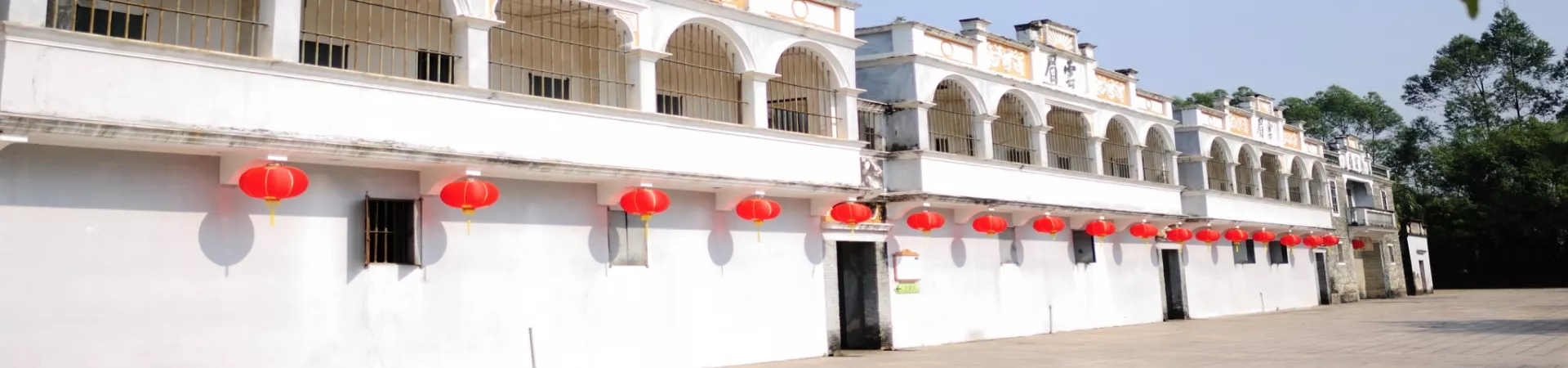
A Fusion of East and West: The Architectural and Historical Tapestry of Li Garden
Nestled in the heart of Kaiping, Jiangmen, Guangdong Province, Li Garden stands as a magnificent testament to the dreams of overseas Chinese and a unique chapter in architectural history. Constructed in 1936 by Mr. Xie Weili, a Chinese-American merchant, this estate is far more than a simple garden; it is a profound cultural statement, a deliberate and artistic blending of Chinese philosophical ideals with Western aesthetics and technology from the early 20th century.
The Vision of the Founder: Xie Weili The story of Li Garden is inextricably linked to the vision and life of its creator, Xie Weili. Having made his fortune in the United States, Xie returned to his homeland with a desire to create a lasting legacy for his family and a sanctuary that reflected his international experiences. The garden's name, "Li," translates to "establishment" or "to set up," symbolizing his aspiration to build a foundational home. His journey and success are immortalized within the grounds, most notably by a seated bronze statue of Xie himself, positioned authoritatively in front of his principal villa, a silent guardian overlooking his creation.
Architectural Philosophy and Layout The core design philosophy of Li Garden is its harmonious synthesis. Xie Weili masterfully integrated the serene, nature-embracing principles of classical Chinese garden design with the bold forms and modern conveniences of Western architecture. This fusion creates a landscape that feels both familiar and novel, inviting contemplation and surprise at every turn.
The most distinctive and ingenious feature of the layout is its extensive canal system. Unlike the ponds or streams found in traditional Chinese gardens, Li Garden is structured around several broad, interlinked canals. These waterways are not merely decorative; they function as the estate's primary organizational arteries, physically and visually connecting the three main sections: the Villa Area, the Grand Garden, and the Small Garden. This design choice was both aesthetic and practical, reflecting a modern sensibility towards planning and perhaps echoing the canal networks Xie encountered abroad.
Exploring the Villa Area The Villa Area forms the residential heart of Li Garden. It comprises six lavishly decorated villas and a single watchtower (diaolou), a building type iconic to the Kaiping region. Among these, the twin villas named "Panli" and "Panwen" are the most spectacular. They showcase the peak of the garden's integrative style.
- Architectural Details and Interiors: Stepping inside these villas is like entering a museum of early 20th-century craftsmanship and international trade. The interiors are adorned with exquisite late-Qing dynasty folk art, including large-scale colorful murals, intricate gold-gilded wood carvings, delicate plaster reliefs, and lifelike ceramic sculptures. Strikingly juxtaposed against these traditional Chinese arts are state-of-the-art fixtures imported directly from the United States, such as advanced plumbing systems, tiled bathrooms, and elegant sanitary ware, which were considered luxuries at the time.
- The Watchtower (Diaolou): The inclusion of a diaolou underscores the practical concerns of the era. While the villas speak of luxury and art, the watchtower served a defensive purpose, a reminder of the social turbulence that sometimes affected the region. It adds a layer of historical context to the estate's narrative.
The Garden Landscapes and Ornamental Structures Beyond the villas, the gardens unfold as a series of composed landscapes designed for leisure and reflection. The canals are gracefully adorned with traditional Chinese garden elements, including long, covered corridors perfect for strolls regardless of weather, charming little bridges, and various pavilions (ting) and waterside galleries (xie). These structures, with names like "Wan Shui" (Playing with Water), "Guan Lan" (Viewing the Waves), "Wan Xiang" (Enjoying Fragrance), and "Yi Cui" (Embracing Greenness), poetically describe their purpose and setting.
The garden also features several unique structures that highlight the Western influence: * The Birdcage Pavilion (Hua Ting Ting): This is a marvel of openwork brick construction, shaped precisely like an elaborate birdcage. Its delicate, lattice-like design demonstrates exceptional craftsmanship. * The Bird's Nest: A structure built in a distinct古罗马式 (Ancient Roman-style), showcasing classical European architectural motifs transplanted into a Chinese garden context. * Grand Memorial Archways: The "Li Garden" Grand Archway and the "Cultivate Oneself and Establish Fundamental Principles" archway are imposing gateways that frame the entrance and key vistas, blending Chinese symbolic architecture with a monumental scale.
Practical Information for Visitors
Visiting Hours and Admission: The garden is open daily from 8:30 AM to 5:30 PM throughout the year. Admission is priced at 100 RMB for a standard adult ticket. The management offers a considerate discount policy: * Half-price Tickets: Available for minors between 1.2m and 1.5m tall, adolescents aged 6 to 18, seniors aged 60 to 69, and full-time students holding valid university or school identification. * Complimentary Admission: Granted to children under 1.2m or below 6 years old, seniors aged 70 and above, and individuals with valid credentials as active military personnel, disabled visitors, journalists, or licensed tour guides. (Note: It is always advisable to check for any updates to this policy on the day of your visit.)
Getting There: Li Garden is accessible via public transportation. Visitors can take the Kaiping Bus Route 617 and alight at the "Liyuan Lukou" (Li Garden Intersection) bus stop. From there, the garden entrance is within a short walking distance.
Suggested Duration: To fully appreciate the architectural details, stroll the gardens, and absorb the historical atmosphere, a visit of approximately 1 to 3 hours is recommended. This allows time to explore both the interior spaces of the villas and the tranquil outdoor landscapes.