Chikan Ancient Town
Subtitle: A Journey Through Time: Exploring the Historic Port Town of Chikan
Introduction: Where History Meets the River
Nestled in the Jiangmen region of Guangdong Province, the ancient town of Chikan stands as a serene yet profound testament to a vibrant past. With a history stretching back over 350 years, this town was once one of the most prosperous and bustling central market towns in the western Guangdong region. It earned prestigious monikers such as the "Famous Town of Lingnan," "Century-Old Commercial Port," and "Hometown of Overseas Chinese." Today, it offers visitors a unique, immersive journey into a distinctive blend of Chinese and Western architectural heritage, local clan culture, and the enduring legacy of the Chinese diaspora, all set along the tranquil banks of the Tanjiang River.
1. The Architectural Tapestry: A Fusion of East and West
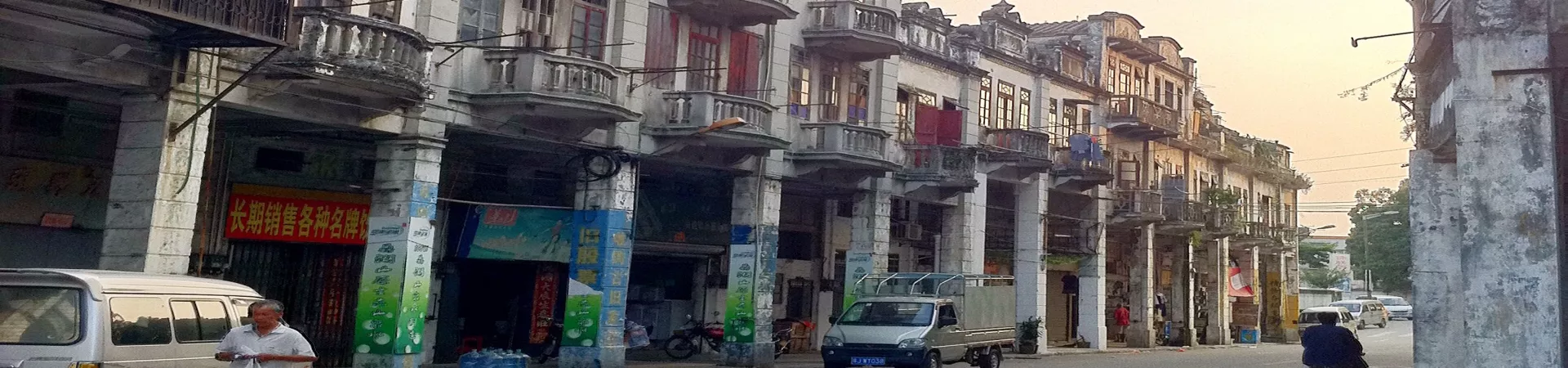
The most striking feature of Chikan is its breathtaking waterfront skyline, dominated by miles of continuous commercial arcade buildings, known as qilou. Primarily constructed in the early 20th century, these structures are magnificent examples of a fusion style.
- 1.1. The Iconic Qilou Arcades: These buildings seamlessly integrate Southern Chinese architectural elements with European, particularly Baroque and Neoclassical, influences. Their most distinctive feature is the covered pedestrian arcade on the ground floor, providing shade from the sun and shelter from the rain—a practical design for the subtropical climate and a bustling commercial street.
- 1.2. Decorative Details and Craftsmanship: Looking closer, the town reveals layers of intricate artistry. The streets are paved with worn, heavy cobblestones that echo with footsteps of the past. The facades of the qilou are adorned with beautifully carved and often now slightly weathered and hollowed-out window lattices. Elaborate and elegant grey brick relief sculptures (huisuo) depicting flowers, birds, and auspicious symbols grace the eaves and gables, showcasing exceptional traditional craftsmanship.
2. The Heart of the Community: Clan Culture and Legacy
Beyond the architecture, Chikan's history is deeply intertwined with the stories of its powerful and influential families, primarily the Situ (司徒) and Guan (关) clans. Their legacy is physically woven into the town's fabric.
- 2.1. Centers of Knowledge and Pride: The Situ and Guan Clan Library is a remarkable institution that highlights the value these families placed on education and community. Established by the overseas members to support their hometown, it stands as a symbol of clan unity and intellectual pursuit.
- 2.2. The Homes of History: The former residence of Situ Meitang, a renowned community leader and philanthropist born in Chikan who played a significant role among overseas Chinese in North America, offers a personal glimpse into the life of an individual whose influence bridged continents.
3. A Bridge to the World: The Hometown of Overseas Chinese
Chikan's story is inextricably linked to migration. For centuries, a significant number of its residents ventured abroad in search of opportunity, forming a vast diaspora.
- 3.1. The Diaspora's Footprint: These emigrants settled predominantly in the United States, Canada, and Southeast Asia. Their success abroad had a direct and transformative impact on their hometown. The remittances they sent back were instrumental in funding the construction of the grand qilou, libraries, schools, and other public buildings, shaping the very townscape visitors see today.
- 3.2. Architectural Homelands Abroad: This cultural exchange is fascinatingly reflected in sites like the Canadian Village within the town's vicinity. This area showcases architectural styles and community layouts inspired by the emigrants' experiences in North America, creating a unique "home away from home" aesthetic in the heart of Guangdong.
4. Exploring the Sights: From Ancient Towers to Cinematic Streets
While the entire town is an open-air museum, several key sites anchor a visit:
- 4.1. The Oldest Sentinel: Yinglong Tower in Sanmenli Village: For the deepest historical dive, visit Sanmenli Village and its Yinglong Tower. This fortified multi-story watchtower, built even earlier than the main town, represents the original defensive dwelling style of the area, predating the flamboyant qilou and highlighting the community's need for protection in earlier eras.
- 4.2. The Film Studio Town: Adjacent to the historic core lies the Chikan Movie & Television Town. This dedicated studio complex has been used as a backdrop for numerous period films and television dramas. Its meticulously recreated sets, including the European Style Street, offer a photogenic and atmospheric extension of the town's historical ambiance, allowing visitors to step directly into a cinematic version of early 20th-century life.
- 4.3. The Lifeline: The Tanjiang River: A walk along the Tanjiang River is essential. This waterway was the commercial lifeline that fueled Chikan's growth as a port. The reflection of the elongated qilou arcades in its calm waters provides the town's most iconic and picturesque view, especially beautiful in the soft light of early morning or late afternoon.
Practical Information for Your Visit
- Transportation: The town is accessible by public bus. Take the Kaiping Bus No. 609 to the Chikan (Jiangnan Qiaotou) bus stop and a short walk will lead you to the historic area.
- Admission: Access to the historic old town of Chikan is free of charge. Please note that there may be separate entrance fees for specific attractions within the area, such as the Movie & Television Town or certain museum houses.
- Opening Hours: The old town's streets and exterior views are accessible to the public 24 hours a day, every day of the year. Individual attractions like libraries or former residences may have their own specific operating hours.
- Suggested Duration: To fully appreciate the architecture, explore the key sites, and soak in the atmosphere, a visit of 1 to 3 hours is recommended.