Maoping Scenic Area
Subtitle: A Journey Through Revolutionary History and Serene Nature
1. Introduction to Maoping Nestled within the renowned "Inner Three Rivers" area of the Jinggang Mountains, Maoping Scenic Area lies to the west of Huangyangjie. This historic site is enveloped by rolling mountain ranges and dense, verdant forests, creating a naturally secluded and tranquil environment. Its significance, however, extends far beyond its physical beauty. During the pivotal Jinggangshan struggle period of the Chinese Revolution, Maoping served as the paramount headquarters, housing the highest leading organs of the Party, government, and military. This dual identity as a cradle of revolutionary history and a haven of natural serenity forms the core of Maoping's unique appeal, offering visitors a profound journey that intertwines monumental historical narratives with peaceful, picturesque landscapes.
2. A Tapestry of History and Landscape Maoping masterfully blends profound cultural heritage with captivating natural scenery, presenting a multifaceted experience for every visitor.
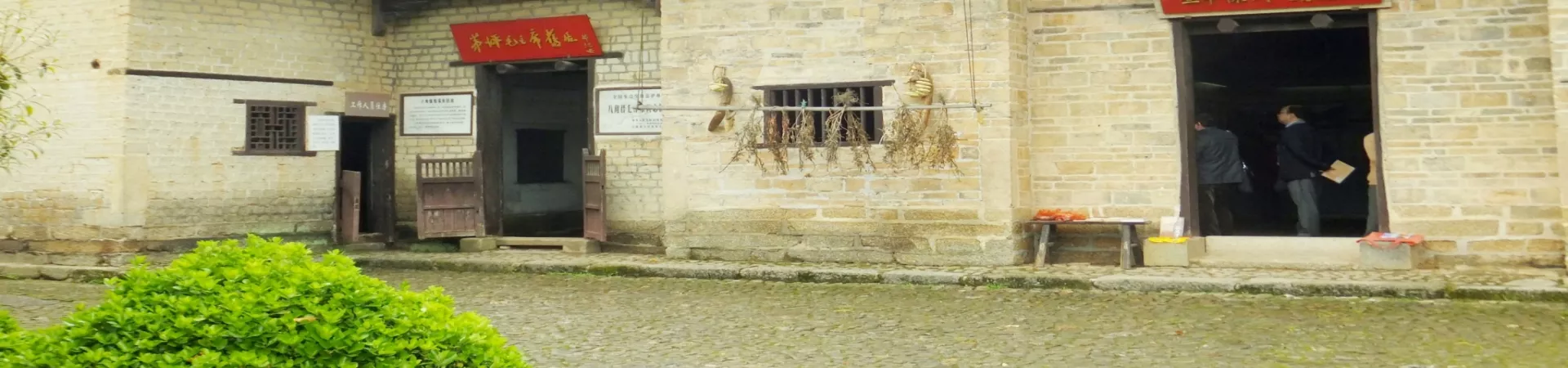
2.1. The Heart of the Revolution: Historical Sites The area is an open-air museum of modern Chinese history, preserving over 20 well-maintained revolutionary sites. Walking through Maoping is akin to stepping back into the late 1920s. Visitors can explore the former offices and residences of revolutionary leaders, conference halls where critical strategies were debated and decided, and other key institutions that sustained the revolutionary base. These silent structures stand as powerful testaments to the resilience, ideology, and arduous struggles of the era, providing tangible connections to a defining chapter in China's history.
2.2. The Hometown of a Martyr: Long Dadao Adding a deeply personal dimension to the historical narrative, Maoping is the birthplace of Long Dadao, one of the revered Twenty-Four Martyrs of Longhua. This connection transforms the area from a general historical site into a poignant memorial and an important destination for red education. It invites reflection on the individual sacrifices that underpinned the broader revolutionary movement, honoring the memory of those who gave their lives for their ideals.
2.3. A Palette of Natural Tranquility Contrasting and complementing its historical weight, Maoping's natural environment offers visual and spiritual respite. The scene is one of idyllic charm: gentle 田园风光 (pastoral landscapes) featuring terraced fields, traditional village vistas, and the soothing presence of 小桥流水 (small bridges over flowing streams). This peaceful, almost poetic scenery, set against the backdrop of the protective mountains, allows visitors to contemplate history in a setting of remarkable calm and beauty. The lush woodlands and fresh mountain air further enhance the sense of retreat and relaxation.
3. Essential Visitor Information 3.1. Climate and Best Time to Visit Maoping enjoys a mild and pleasant 四季气候 (four-season climate) throughout the year. Analyses of its 风效指数 (wind effect index) and 舒适指数 (comfort index) consistently meet standards suitable for tourism, ensuring comfortable conditions for exploration. While each season offers its own charm—from vibrant spring greens to crisp autumn air—the area is generally a year-round destination.
3.2. Opening Hours * 旺季 (Peak Season): February 16th - November 15th, 8:00 AM - 5:00 PM. * 淡季 (Low Season): November 16th - February 15th, 8:30 AM - 4:30 PM. Visitors are advised to plan their arrival accordingly to ensure ample time for sightseeing.
3.3. Ticketing Admission to the Maoping Scenic Area is 包含于井冈山景区门票内 (included within the overall Jinggangshan Scenic Area ticket). There is no separate entrance fee required specifically for Maoping upon purchasing the main Jinggangshan ticket.
4. Getting to and Around Maoping 4.1. Reaching the Jinggangshan Area As Maoping is located within the vast Jinggangshan National Tourist Resort, the first step is to travel to the main Jinggangshan area. * By Train/Bus: The nearest major transport hub is Jinggangshan Railway Station or Bus Station. From there, taxis or local buses are available to reach the core tourist service center. * By Air: The closest airport is Jinggangshan Airport, with connecting road transport to the scenic area. * By Road: Self-driving is an option, with well-signposted highways leading to the Jinggangshan tourist service center.
4.2. Internal Transportation within Jinggangshan Private vehicles generally have restricted access within the core scenic zones. The primary and most convenient mode of transport is the official 环保车 (environmental protection shuttle bus) system. * Upon arriving at the main tourist service center (such as at Ciping), visitors must purchase a pass for the shuttle bus system. * These shuttle buses operate on designated routes connecting all major scenic spots, including Maoping. * Important Note: There is a 观光车 (sightseeing bus/tourist shuttle) specifically serving the route to Maoping. Visitors should board the correct shuttle bus line bound for Maoping at the transfer station.
4.3. Suggested Duration A visit to Maoping typically requires 1-3 hours, depending on the depth of exploration of the historical sites and the time spent enjoying the natural surroundings. This allows for a comprehensive yet unhurried experience.