Jinggangshan Revolution Museum
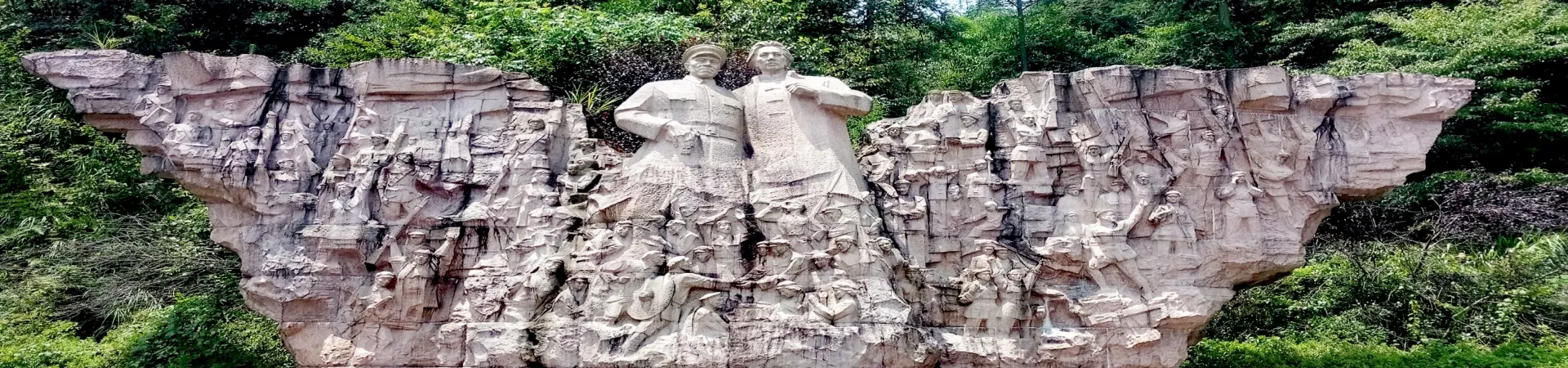
Subtitle: A Journey Through the Cradle of Revolution: The Jinggangshan Revolutionary Museum
Introduction: A Monument Amidst Sacred Mountains
Nestled in the heart of Ciping, the Jinggangshan Revolutionary Museum stands as a solemn and pivotal landmark within the revolutionary landscape of Jinggangshan. Its location is profoundly symbolic, situated beside the shimmering waters of Yicui Lake and arranged in a harmonious, tiered composition with the majestic Jinggangshan Main Peak, the Jinggangshan Revolutionary Martyrs Memorial Tower, and the Jinggangshan Martyrs Cemetery. This deliberate placement creates a powerful visual and spiritual dialogue between the natural grandeur of the mountains and the profound historical legacy of the revolution, making the museum not just a building, but an integral part of a vast, open-air memorial complex.
The museum holds the distinguished title of being China's first local revolutionary museum, a testament to the unique and foundational importance of the Jinggangshan base area in modern Chinese history. Adding to its historical gravitas is the museum's name plaque, personally inscribed by Marshal Zhu De during his emotionally charged return to Jinggangshan in March 1962. His brushstrokes serve as a direct link to the revolutionary past and underscore the deep personal significance this place held for the veterans of the struggle.
Core Exhibition: Chronicles of a Rural Revolution
The heart of the Jinggangshan Revolutionary Museum lies in its comprehensive and deeply moving permanent exhibition. It is dedicated to meticulously documenting the creation, consolidation, and development of the Jinggangshan Revolutionary Base Area, China's first rural revolutionary base. This period, from 1927 onward, marked a crucial strategic shift for the Chinese Communist Party, moving the focus of revolutionary activity from the cities to the countryside.
1. The Genesis of a New Strategy This section delves into the critical historical context following the setbacks of 1927. It illustrates how the surviving revolutionary forces, led by figures like Mao Zedong and Zhu De, retreated to the remote and rugged Jinggangshan region. The exhibits detail the arduous journey of the troops, the initial integration with local peasant self-defense forces, and the seminal meeting of the two main revolutionary armies—a event often romanticized as the "Join Forces at Jinggangshan." Artifacts here include simple weapons, personal belongings of early soldiers, and maps outlining their perilous routes, painting a vivid picture of survival and determination against overwhelming odds.
2. Building the Base: Politics, Military, and Society Moving beyond the initial establishment, this extensive part of the museum explores the multifaceted work of building a sustainable revolutionary society. It is divided into several key thematic areas:
- 2.1. Military Innovations and Guerrilla Warfare: This subsection highlights the development of the unique military strategies that emerged in Jinggangshan. Displays explain the formulation of the "Sixteen-Character Formula" for guerrilla warfare and showcase replicas of rudimentary arsenals. The focus is on how a small, ill-equipped force used terrain, mobility, and popular support to resist much larger and better-armed enemy encirclement campaigns.
- 2.2. Land Revolution and Mass Mobilization: Perhaps the most transformative aspect of the base area was its social policy. Exhibits feature historical documents, land deeds, and propaganda materials related to the radical land redistribution program. This section explains how the promise and partial implementation of "land to the tiller" won the crucial support of the local peasantry, turning the base area into a true social revolution, not just a military stronghold.
- 2.3. Daily Life and Economic Construction: To counter enemy blockades, the base area had to become self-reliant. This area displays tools used in agricultural production, simple looms for making cloth, and artifacts related to the establishment of rudimentary hospitals and schools. It portrays the harsh yet resilient daily life of soldiers and civilians, emphasizing the spirit of struggle and self-sufficiency that became known as the "Jinggangshan Spirit."
3. Consolidation, Expansion, and Legacy The final part of the historical narrative covers the expansion of the revolutionary flame from its Jinggangshan spark. It details the decision to leave Jinggangshan to establish a larger base in Ruijin, Jiangxi province, and traces the ideological and organizational lineage from Jinggangshan through the Long March to eventual national victory. The exhibition concludes by reflecting on the enduring symbolic power of Jinggangshan as the "cradle of the Chinese revolution," a place where the fundamental principles of people's war and rural-based revolution were forged and tested.
Visitor Information and Practical Details
Location and Ambiance: The museum's setting in Ciping, adjacent to the serene Yicui Lake, offers visitors a moment for contemplation after engaging with the intense historical narrative. The surrounding revolutionary monuments enhance the overall educational and reflective experience.
Educational Role: Given the profound historical significance of its collections, the museum has been designated as one of China's "One Hundred Patriotic Education Demonstration Bases for Youth," playing a vital role in educating younger generations about this foundational chapter of modern Chinese history.
Planning Your Visit:
- Opening Hours: The museum is open from 8:00 AM to 5:00 PM, with last admission at 4:30 PM, from Tuesday to Sunday throughout the year. It remains open on Mondays as well.
- Suggested Duration: To fully appreciate the extensive collections and historical context, a visit of 3 hours or more is highly recommended.
- Admission: For the most current information regarding ticket prices and any potential free admission policies, it is advisable to contact the museum directly prior to your visit.
- Contact: For inquiries, you can reach the museum at 0796-6552248 or 13133961099.