Cemetery of Revolutionary Martyrs in Jinggang Mountains
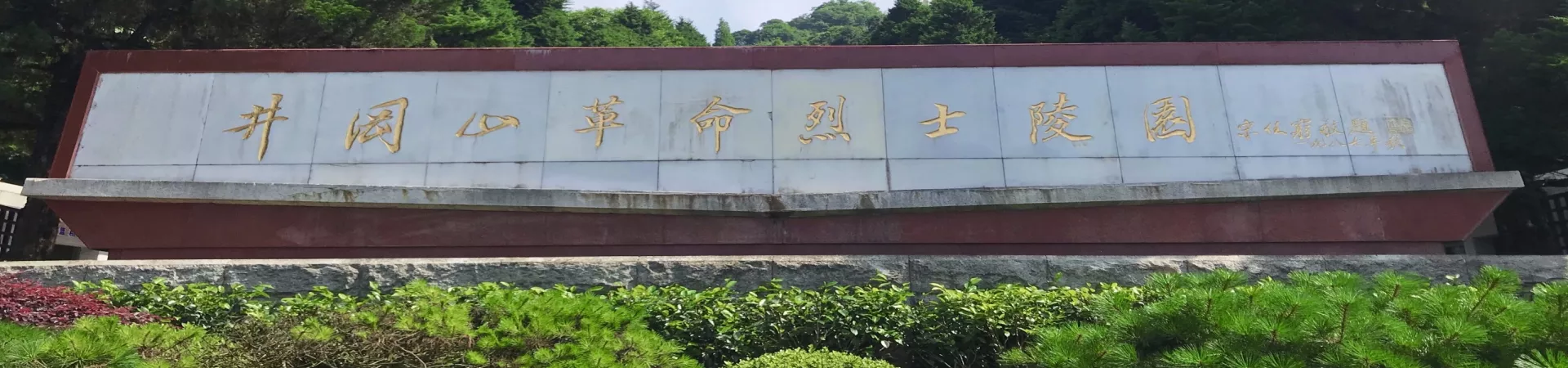
A Guide to Jinggangshan Revolutionary Martyrs Cemetery: A Solemn Tribute Amidst Sacred Mountains
Nestled upon the northern slopes of the iconic Jinggangshan range, the Jinggangshan Revolutionary Martyrs Cemetery stands as a profound and solemn monument to the revolutionary spirit that shaped modern China. Its south-facing orientation offers a direct, contemplative view towards the majestic main peak of Jinggangshan, a silent witness to the history it commemorates. The site is enveloped in a serene atmosphere, with verdant pines and cypresses symbolizing the enduring legacy of the martyrs. Constructed to harmonize with the mountain's natural contours, the cemetery is an architectural and landscaped tribute, comprising four main sections: the Memorial Hall, the Forest of Steles, the Monument, and the Sculpture Garden. This guide provides a detailed overview to help visitors fully appreciate the historical significance and symbolic design of this hallowed ground.
Architectural Layout and Symbolic Design
The cemetery's design is a masterful blend of physical ascent and historical narrative. The approach to the main memorial areas is via two significant flights of stone steps, each imbued with deep symbolic meaning.
- The Path of Remembrance: Two Symbolic Stairways The journey upward begins with a climb that is both physical and reflective. The first staircase consists of 49 steps, a direct representation of the year 1949, marking the founding of the People's Republic of China—the ultimate achievement toward which the martyrs sacrificed their lives. Following a brief landing, the second staircase of 60 steps continues the ascent. This number commemorates the 60th anniversary of the establishment of the Jinggangshan Revolutionary Base Area, pinpointing the cemetery's own inauguration in October 1987. This intentional design transforms a simple walk into a chronological pilgrimage, connecting the revolutionary struggle to its historical outcome.
Key Sites Within the Cemetery
The cemetery is organized into four distinct yet interconnected areas, each serving a specific purpose in honoring the past.
1. The Memorial Hall
Serving as the spiritual heart of the complex, the Memorial Hall is a place for quiet reverence and education. It houses historical exhibits, relics, and solemn tributes to the individuals who lost their lives during the revolutionary struggles centered in Jinggangshan. Here, visitors can engage with the personal stories and the broader historical context of the period, paying their respects to the collective and individual sacrifices made.
2. The Forest of Steles
This is an open-air gallery of memory, featuring numerous stone tablets or steles inscribed with epitaphs, poems, and calligraphic tributes from later generations of leaders, scholars, and soldiers. Each stele offers a different perspective or expression of homage, creating a powerful, collective voice of remembrance. Wandering through this forest invites contemplation on the lasting impact and the multifaceted legacy of the martyrs' deeds.
3. The Sculpture Garden
Interspersed among the natural greenery are lifelike statues and sculptural groups depicting key revolutionary figures, scenes from the struggle, and symbolic representations of ideals such as perseverance and unity. This artistic dimension adds a visceral, human element to the historical narrative, allowing visitors to visually connect with the personalities and pivotal moments of the Jinggangshan era.
4. The Jinggangshan Revolutionary Martyrs Monument
Dominating the site is the central Monument, a towering structure that serves as the focal point for official commemorations. The monument was completed and unveiled later, in October 1997. Its most prominent feature is the inscription of its name: "Jinggangshan Revolutionary Martyrs Monument," penned by the late Chinese leader Deng Xiaoping. His calligraphy lends the monument significant historical weight, representing the continuity of respect from the nation's leadership. The monument's scale and prominent placement offer a powerful, unifying symbol of sacrifice and national memory.
Practical Information for Visitors
To ensure a smooth and respectful visit, please note the following logistical details.
Admission Fees Access to the Jinggangshan Revolutionary Martyrs Cemetery is included in the general through-ticket for the Jinggangshan Scenic Area. There is no separate entrance fee required to visit the cemetery itself.
Opening Hours The cemetery is open to the public daily, with a standard schedule for most of the week and a special arrangement for Tuesdays.
- Wednesday through Monday: Open from 8:00 AM to 4:30 PM. The last admission is at 4:00 PM.
- Tuesday: The cemetery remains open for 24 hours, providing a unique opportunity for visitation at any time of day or night.
Suggested Duration To fully experience the cemetery's atmosphere, explore its various components, and reflect upon its significance, a visit typically takes between 1 to 3 hours. This allows adequate time to ascend the symbolic stairways, visit the Memorial Hall, stroll through the Forest of Steles and Sculpture Garden, and contemplate at the base of the central Monument.