Huangyangjie Sentry
Subheading: A Journey to the "City of Walls" and the Strategic Pass of Huangyangjie
1. Introduction: The Cradle of Revolution and a Natural Fortress Nestled within the majestic, forest-clad mountains of Jiangxi Province, the city of Ji'an is often heralded as the "Cradle of the Chinese Revolution." Its historical significance is inextricably linked to the early days of the Communist movement in China. However, Ji'an's story begins millennia earlier. It is also renowned as the "City of Walls," a title earned from the numerous ancient, well-preserved walled villages that dot its surrounding countryside, offering a tangible connection to China's rich clan-based culture and Ming-Qing dynasty architecture. This unique blend of profound revolutionary heritage and deep-rooted traditional culture forms the essential backdrop for any visit to the region. The journey from Ji'an into the heart of the Jinggang Mountains is a transition from ancient Han civilization into a revolutionary sanctuary, culminating at one of its most iconic defensive points: the Huangyangjie Pass.
2. Huangyangjie哨口: The Strategic Bulwark of the Jinggang Mountains 2.1. Geographic and Military Significance Huangyangjie, often translated as Huangyang Boundary or Pass, is not merely a scenic lookout; it was a vital military stronghold. Located at an elevation of over 1,300 meters on the northwestern perimeter of the Jinggang Mountains base area, its strategic importance was paramount. The pass served as one of the five major哨口 (shàokǒu), or sentry posts, guarding the approaches to the revolutionary base established by Mao Zedong and Zhu De in 1927. The terrain here is a natural fortress: narrow paths wind through dense bamboo forests and steep ravines, creating a formidable bottleneck easily defended by a small force. Controlling Huangyangjie meant controlling a critical supply route and a gateway, protecting the heart of the base from incursions.
2.2. The Legend of the "Empty Stockade" Huangyangjie is immortalized in revolutionary lore by the famous battle in August 1928, often romanticized as the story of the "Empty Stockade." Facing a vastly superior enemy force from the Hunan province, the Red Army defenders, reportedly only one battalion strong, employed ingenious tactics. They leveraged the thick mountain fog, set up ambushes, and used makeshift weapons like rolling logs and rocks. According to popular history, they also feigned strength by beating drums and gongs, creating the illusion of a large army. This culminated in the defenders successfully repelling the enemy, a victory that became a powerful symbol of the Red Army's resilience, tactical cleverness, and the protective advantage offered by the mountainous terrain. A monument and preserved defensive works at the site today commemorate this pivotal event.
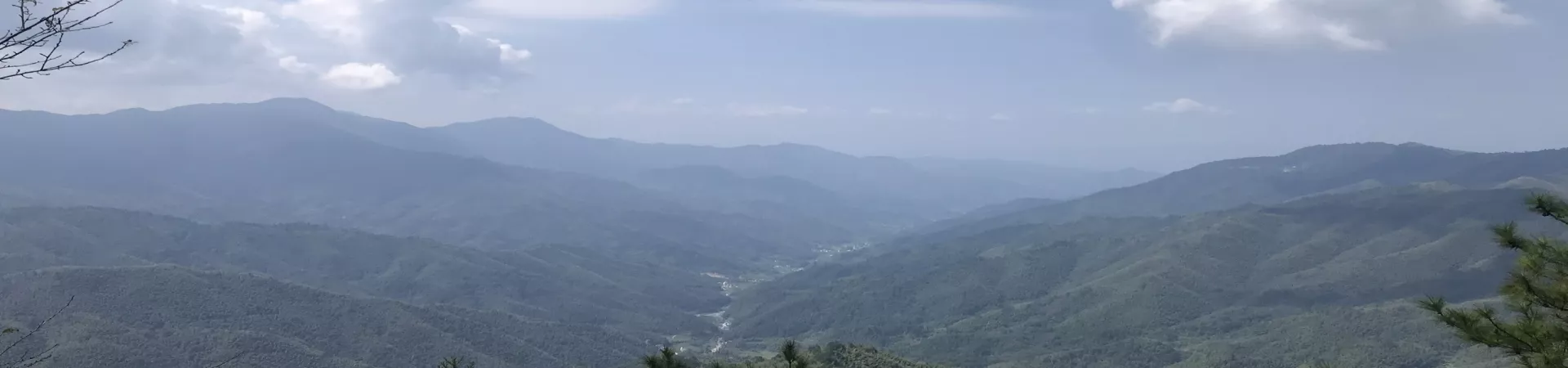
3. The Visitor Experience: Landscape, History, and Remembrance 3.1. The Panoramic Vista The immediate reward for reaching Huangyangjie is the breathtaking panoramic view. On a clear day, visitors are treated to a seemingly endless sea of green, undulating mountain peaks shrouded in ethereal mist. The famous "Sea of Clouds" phenomenon transforms the landscape into a tranquil, awe-inspiring spectacle. This very vista, however, was once a strategic observation point for Red Army sentries watching for enemy movement in the valleys below. Standing here, one can appreciate both the natural beauty and the military acuity the location provided.
3.2. Historical Sites and Exhibits Scattered across the pass are several key sites that anchor the historical narrative: * The Monument: A stone stele inscribed with Mao Zedong's famous poem "Jinggangshan," which references the steadfastness of the forces at the pass. * The Fortifications: Remnants and reconstructions of the defensive positions, including bunkers and trenches, offer a concrete sense of the battlefield. * The Former Barracks: Simple structures that housed the soldiers, illustrating the austere and difficult living conditions of the revolutionaries. * The Sculpture Group: Often featuring lifelike statues of soldiers and locals, depicting scenes of vigilance and preparation.
3.3. The Atmosphere of Reflection Visiting Huangyangjie is a profoundly reflective experience. The crisp mountain air, the sound of the wind through the pines, and the solemnity of the monuments combine to create an atmosphere far removed from typical tourist spots. It is a place of pilgrimage within the broader "red tourism" circuit, where visitors come to understand the foundational myths of modern China and pay respects to the struggle and sacrifice that occurred in these remote highlands.
4. Practical Information for Planning Your Visit 4.1. Location and Access Huangyangjie哨口 is an integral part of the Jinggang Mountain National Scenic Area. It is typically accessed from the central tourist town of Ciping within the mountains. The site is connected by the area's efficient tourist bus system, which operates on a hop-on-hop-off circuit linking all major revolutionary sites and natural attractions. Private vehicles may have restricted access, and using the official tourist buses is often the most convenient option.
4.2. Opening Hours and Ticketing As Huangyangjie is a key component of the Jinggangshan Scenic Area, its access is governed by the main park's operating schedule. The general operational hours for the Jinggangshan Scenic Area are from 8:00 AM to 5:30 PM. It is crucial to note that specific closing times for individual attractions like Huangyangjie within the park may vary and are subject to change based on weather, season, or management decisions. The most accurate and up-to-date information for entry to Huangyangjie itself is always posted on-site at the scenic area's visitor centers or entrance gates. Visitors are strongly advised to plan their arrival with sufficient time to explore the pass before any potential early closures of the specific site.
4.3. Contact Information For general inquiries regarding the Jinggangshan Scenic Area, which encompasses Huangyangjie, visitors can use the following service line: 400-188-0796. This number can provide information on ticketing, park-wide schedules, and tourist bus routes. However, for precise, real-time details about Huangyangjie's access on the day of your visit, consulting the official park website (if available) or the information boards upon arrival at the scenic area is recommended.
4.4. Tips for Visitors * Weather Preparation: The mountain weather is changeable. Bring layers, rain gear, and sturdy, comfortable walking shoes suitable for uneven paths. * Altitude Considerations: The high elevation can be taxing. Proceed at a comfortable pace and stay hydrated. * Contextual Understanding: To fully appreciate the site, reading about the history of the Jinggang Mountains base area beforehand will greatly enrich the experience. Consider hiring a local guide at the scenic area for detailed historical narration. * Combined Itinerary: A visit to Huangyangjie is perfectly combined with other nearby revolutionary sites such as Ciping, the Former Residence of Mao Zedong, and the Jinggangshan Revolution Museum, as well as the stunning natural scenery of the Dragon Waterfall and the Five-Finger Peak.