Dajing Scenic Area
Subtitle: A Journey Through Revolutionary History and Serene Mountain Landscapes
Introduction Nestled approximately seven kilometers northwest of Ciping, the Dajing Scenic Area stands as a significant chapter within the Jinggangshan mountain range. More than just a destination, it is a profound experience that seamlessly intertwines the solemn narrative of China's revolutionary history with the breathtaking tranquility of pristine alpine scenery. It forms an essential part of the iconic "Red Tourism" route, offering visitors a unique opportunity to reflect on the past while being enveloped by some of the most captivating natural landscapes in the region. This area masterfully blends cultural heritage with pastoral beauty, creating an environment where history whispers from rebuilt walls and nature sings from every ridge and valley.
1. A Living Testament to Revolutionary History 1.1. The Heart of Red Tourism Dajing's primary significance lies in its rich collection of revolutionary historical sites. As a key area within the Jinggangshan revolutionary base, it served as an important location during a pivotal era. The site is dotted with numerous points of interest that chronicle the struggles, strategies, and daily lives of revolutionary pioneers. Walking through this area is akin to traversing the pages of a history book, where each building and path tells a story of resilience and idealism.
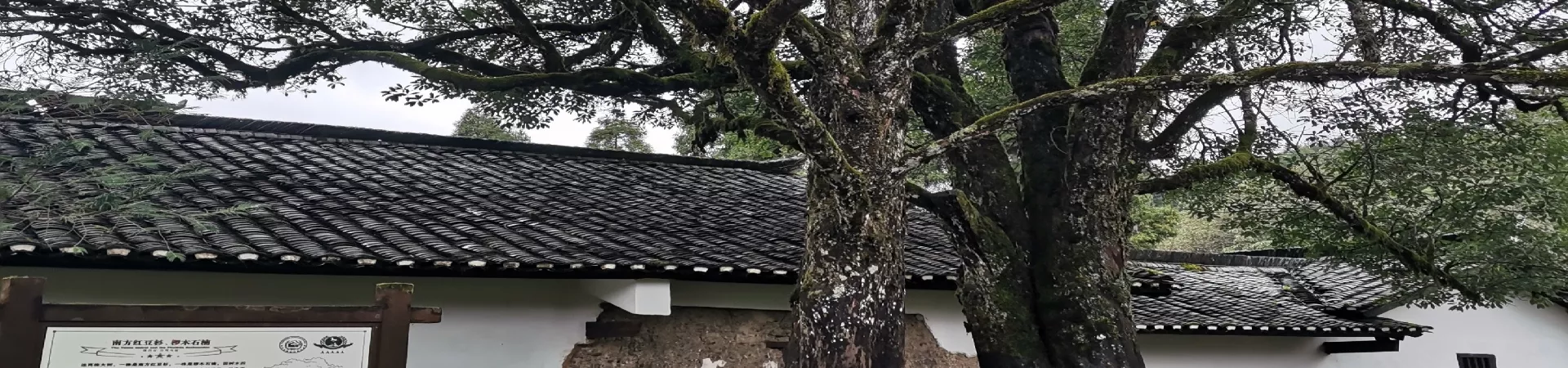
1.2. Architectural Heritage: The Yellow and White Houses While many structures are careful reconstructions on their original foundations, they are rebuilt with deep respect for historical accuracy and cultural essence. The most notable among these are the distinct "Yellow House" and "White House." These buildings, with their contrasting yet harmonious facades, stand as silent witnesses to the past. Their simple, sturdy architectural style reflects the pragmatic and determined spirit of the time. The restoration efforts ensure that the cultural weight and historical atmosphere of the site are palpably preserved, allowing visitors to gain an authentic sense of the environment that shaped a critical historical movement.
2. The Majestic Alpine and Pastoral Tapestry 2.1. A Landscape of Poetic Grandeur Beyond its historical weight, Dajing unveils a spectacular natural panorama that rivals the beauty of China's famous mountains and rivers. The area is characterized by a rare and exquisite form of high-altitude pastoral scenery. The mountains unfold in a classic Chinese poetic fashion: "horizontal they form a ridge, sidewise they become a peak." This ever-changing topography creates a dynamic and awe-inspiring vista from every angle.
2.2. Forests, Peaks, and Terraced Fields The slopes are adorned with dense, ancient forests where resilient pines and tall, graceful bamboos intermingle, creating a lush canopy of green. These venerable woodlands add a sense of timelessness to the atmosphere. Complementing the wild beauty are the meticulously cultivated terraced fields that cascade down the hillsides near local settlements. Resembling stairways to the sky, these rice paddies etch elegant lines into the mountainside, often disappearing into the ethereal mist and clouds that shroud the higher altitudes. This harmonious integration of human cultivation with dramatic natural geology is a sight of profound serenity and beauty.
3. Local Culture and Timeless Atmosphere 3.1. Vernacular Architecture in Harmony with Nature The charm of Dajing is further amplified by the presence of local villages. The residential buildings here exemplify a古朴 (gǔ pǔ, simple and rustic) architectural style. Constructed from local materials and following traditional designs, these dwellings appear not as intrusions but as organic extensions of the landscape. Their earthy tones and modest profiles blend effortlessly with the surrounding forests and fields, creating picturesque scenes that seem suspended in time.
3.2. An Escape to Tranquility The overall ambiance of Dajing is one of profound peace. It offers a complete and welcome respite from the noise, haste, and clamor of modern urban life. Here, the dominant sounds are the whisper of the wind through the bamboo groves, the distant call of birds, and the gentle rustle of leaves. Visitors are invited to slow down, breathe deeply, and immerse themselves in a natural rhythm. It is a place for quiet contemplation of history, mindful appreciation of landscape, and genuine relaxation of the spirit.
4. Practical Visitor Information 4.1. Location and Access The Dajing Scenic Area is situated within the larger Huangyangjie Scenic Area of Jinggangshan. It is conveniently accessible on foot from related sites in the Huangyangjie sector, allowing for a cohesive and flexible exploration experience as part of a broader visit to Jinggangshan.
4.2. Admission and Opening Hours There is no separate admission fee for Dajing. Access is included within the overall entrance ticket to the Jinggangshan Scenic Area. The site itself is open to visitors 24 hours a day, every day of the week, throughout the year. This "all day" (全天) policy from January 1st to December 31st provides maximum flexibility for planning your visit.
4.3. Suggested Duration To fully appreciate both the historical context and the natural splendor of Dajing, a visit of 1 to 3 hours is recommended. This allows sufficient time to explore the key revolutionary sites at a thoughtful pace, wander through the villages, and absorb the magnificent views of the terraced fields and mountain ridges without feeling rushed.