Xinshi Ancient Town
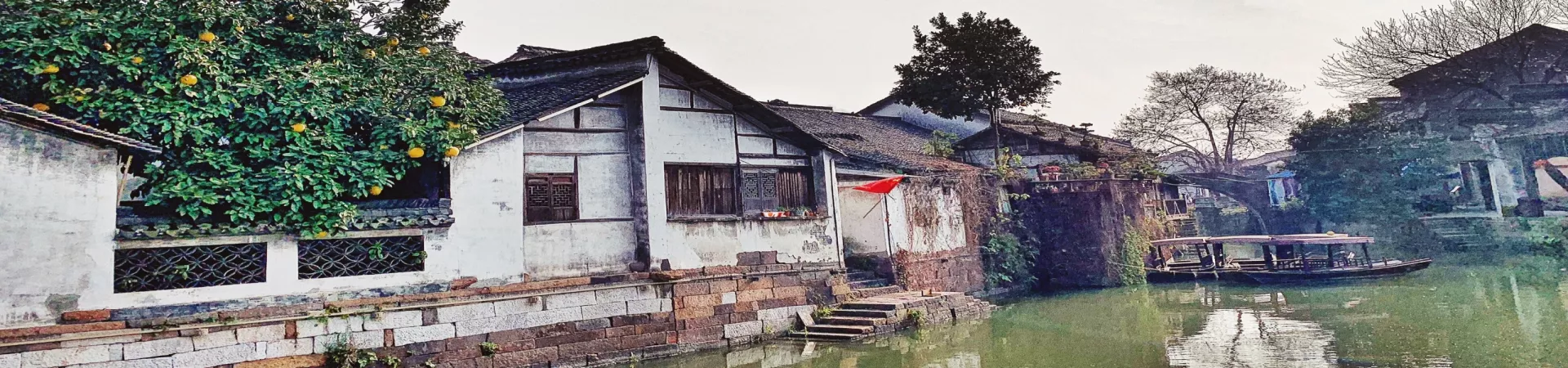
Subtitle: A Journey Through Time in Zhejiang's Water Town Gem
Introduction: The Soul of the Grand Canal
Nestled within Deqing County, Zhejiang Province, lies Xinshi Ancient Town, a serene and often-overlooked treasure of the Jiangnan region. With a history spanning millennia and a formal administrative history exceeding 1,200 years, Xinshi is far more than a collection of old buildings; it is a living chronicle of commerce, culture, and communal life. Its significance stems from its historic position as a vital commercial port along the Grand Canal in northern Zhejiang. For centuries, its prosperity was woven into the waterways, with residents building their homes against the rivers and establishing markets beside its bridges, creating a quintessential waterscape that has endured through time. The town's charm lies not in grandeur, but in an authentic, unassuming atmosphere—a place of质朴 (simplicity and honesty) where the echoes of a bustling past meet the gentle rhythm of present-day life.
A Tapestry of History and Culture
1. The Legacy of Scholars and Storytellers Xinshi's tranquil environment has long been a muse for intellectuals and artists, fostering a remarkable legacy of talent. This tradition began as early as the Southern Dynasties period with the renowned Taoist philosopher Lu Xiujing, who is said to have built a tower here for reading and contemplation. This scholarly heritage continued into the modern era. The town is the birthplace of Zhao Zichen, a pivotal figure and academic authority in the study of Christian theology in China. Furthermore, the early 20th-century youth romance novelist Wang Jialun also drew inspiration from Xinshi, leaving behind a literary footprint. Wandering the town's lanes, one can almost feel the creative and intellectual energy that has permeated its history, contributing to its unique character of清纯与从容 (clarity and composure).
2. Architectural Heritage: Ming, Qing, and Sacred Spaces The physical heart of Xinshi is preserved in its well-maintained ancient architecture. The most prominent features are the residential complexes dating back to the Ming and Qing dynasties. These structures, with their whitewashed walls, dark grey tiles, and elegantly carved wooden details, line the canals, offering a picturesque glimpse into the domestic life of centuries past.
2.1. Juehai Temple: A Spiritual Anchor Among the town's cultural landmarks, the Juehai Temple stands out. This Buddhist monastery provides a peaceful sanctuary and represents the spiritual dimension of the community's history. Its presence adds a layer of solemnity and historical depth to the town's landscape.
2.2. The Bridges of Connection No visit to a water town is complete without appreciating its bridges. Xinshi's ancient stone bridges are not merely crossings; they are architectural jewels and historic focal points. Each bridge, with its unique design—from simple arched spans to more elaborate structures—once served as a central hub for trade and social interaction, "傍桥而市" (markets beside bridges). They remain essential to the town's charm and functionality.
Practical Information for Visitors
1. Planning Your Visit * Suggested Duration: To fully appreciate the ambiance, explore the lanes, and visit key sites, allocating 1 to 3 hours is recommended. * Opening Hours: The town's streets and waterways are accessible to the public 24 hours a day, throughout the year. * Admission: Access to the ancient town area itself is free. However, entry into specific internal exhibition halls and curated historic homes requires a ticket. * Ticket Options: A combined ticket for eight key exhibition halls is available for approximately 50 RMB for adults. Alternatively, single-hall tickets can be purchased for around 10 RMB each. * Note: All pricing information is subject to change. It is advisable to check for the latest rates at the ticket office on the day of your visit.
2. Getting There The most straightforward public transportation option from central Deqing is to take the local Deqing Bus 333 (Inner Ring or Outer Ring) and alight at the "Central Park (Zhongxin Gongyuan)" bus stop. From there, Xinshi Ancient Town is within easy walking distance.
3. Experiencing the Town The true essence of Xinshi is best absorbed through leisurely exploration. Stroll along the cobbled pathways that follow the canals, observe daily life unfolding on the water—from boats carrying goods to locals going about their day. Peek into the courtyards of the old houses, and cross the ancient bridges for different vantage points. This is a place to slow down, to imagine the vibrant commercial past of this Grand Canal port, and to appreciate the quiet, enduring beauty that has captivated philosophers, theologians, and writers alike. The town does not overwhelm; it invites contemplation, offering a genuine slice of Jiangnan's water town heritage away from the more crowded tourist circuits.