North Zhejiang Grand Canyon
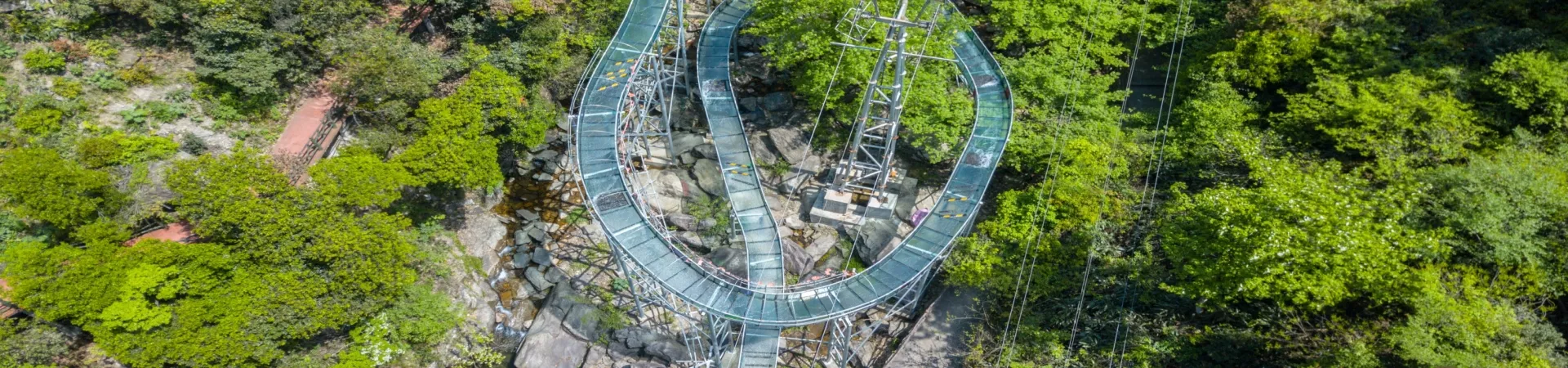
Subtitle: A Journey Through Peaks, Culture, and Serenity in Northern Zhejiang
1. Introduction to the Destination Nestled on the border between Anji's Tianhuangping and Lin'an's Taihu Lake Source area in Huzhou, Zhejiang Province, lies the magnificent Zhebei Grand Canyon. Also poetically known as the "Seventy-Two Peaks of the Great Han," this vast area is not a single attraction but a composite of multiple scenic zones, forming a comprehensive natural retreat. It serves as a pristine escape where the grandeur of mountain ranges meets profound historical culture, offering a distinctive blend of outdoor adventure and spiritual tranquility. The canyon is celebrated as a precious gem within the Yangtze River Delta region, captivating visitors with its stunning landscapes and rich cultural tapestry.
2. Natural Landscape and Scenic Composition 2.1. The Majesty of Mountainous Terrain The defining feature of the Zhebei Grand Canyon is its impressive topography. The area boasts over one hundred mountain peaks, each exceeding an elevation of one thousand meters. These towering sentinels create a dramatic skyline of rolling ridges and deep, verdant valleys. The landscape is a masterpiece of natural sculpture, featuring sheer cliffs, dense primordial forests, bubbling streams, and hidden waterfalls. This rugged terrain provides a breathtaking backdrop for exploration and photography, presenting a different spectacle with each change of season, from lush summer greens to the delicate frosts of winter.
2.2. Key Attractions and Viewpoints Within this expansive natural canvas are more than 203 specific scenic spots and viewpoints. Among the highlights are the various observation decks strategically placed to offer panoramic vistas of the endless mountain chains. A particularly captivating feature is the ancient high-altitude rice terraces, which carve elegant contours into the hillsides. These terraces are not only an agricultural marvel but also a stunning visual attraction, reflecting the sky and changing colors with the crops. The area also encompasses well-preserved original rural holiday zones, where the traditional architecture and pastoral life of mountain villages have been maintained, allowing visitors to experience authentic local customs amidst the sublime scenery.
3. Cultural and Historical Essence 3.1. Fusion of Buddhist and Confucian Traditions Beyond its physical beauty, the soul of the Zhebei Grand Canyon is steeped in a deep historical and cultural heritage, primarily characterized by a harmonious fusion of Buddhist and Confucian influences. This philosophy is seamlessly woven into the very fabric of the landscape. Remnants of ancient temples, quiet meditation spots, and subtle cultural markers can be found nestled among the peaks and forests. The principle of unity between humanity and nature—a core tenet of both philosophies—is palpably felt here. The serene environment naturally encourages contemplation and inner peace, allowing the spiritual teachings of Chan (Zen) Buddhism and the ethical harmony of Confucianism to resonate deeply with visitors as they traverse the paths alongside flowing rivers and beneath ancient trees.
3.2. A Tapestry of Human and Natural History The canyon's history is a long narrative of interaction between people and this formidable yet inspiring landscape. The development of the mountain terraces, the establishment of remote villages, and the construction of paths and shelters speak to human resilience and adaptation. This rich human landscape complements the natural one, creating a living museum of cultural ecology. The enduring presence of these cultural elements transforms a simple hike into a journey through time, where every step connects the visitor to the generations that have found solace, inspiration, and sustenance in these mountains.
4. Practical Visitor Information 4.1. Admission and Operating Hours To facilitate a smooth visit, please note the following practical details. The standard admission fee is approximately 100 RMB per person. It is crucial to note that this price is for reference only, and all visitors are advised to verify the latest official pricing on the day of their visit, as rates may be subject to change. The scenic area is open daily from 08:00 to 16:00, with the last admission also at 16:00. Planning to arrive early is recommended to fully enjoy the extensive grounds without haste.
4.2. Suggested Duration and Contact Information Given the scale and diversity of attractions, a visit to the Zhebei Grand Canyon typically requires a minimum of 3 to 4 hours. For a more leisurely experience that includes hiking, sightseeing, and cultural immersion, allocating half a day or even a full day is ideal. For any inquiries regarding accessibility, weather conditions, or specific services, you may contact the management office via telephone at 0572-5612511 or 0572-5612522.
Information last updated: September 15, 2023. Credit and thanks to contributor llidan for participating in the editing of this content.