Huzhou the Taihu Lake Lake Tourist Resort
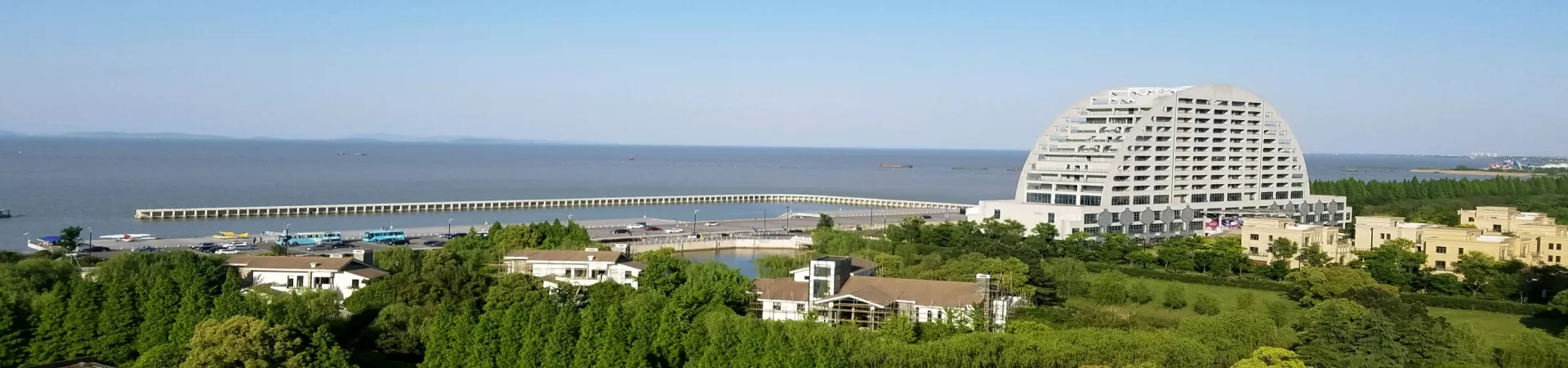
Subtitle: A Comprehensive Guide to Huzhou Taihu Lake Tourist Resort
1. Introduction to the Region Nestled in the northern part of Zhejiang Province, the Huzhou Taihu Lake Tourist Resort is a premier destination centered around one of China's most iconic bodies of water. Taihu Lake, historically known as Zhenze and alternatively called Wuhu, is the country's third-largest freshwater lake. Spanning over 2,000 square kilometers, its vast expanse is dotted with 48 islands and embraced by 72 peaks, creating a landscape of profound natural beauty and ecological significance. The resort area masterfully integrates this stunning natural canvas with cultural heritage, modern amenities, and recreational facilities, offering a multifaceted escape from urban life. It is a place where the grandeur of nature meets the depth of history, inviting visitors to explore, relax, and immerse themselves in an environment where lakes and mountains exist in perfect harmony.
2. The Natural Landscape and Scenic Beauty 2.1. The Majesty of Taihu Lake The heart of the resort is, unquestionably, Taihu Lake itself. Its sheer scale is awe-inspiring; the water stretches to the horizon, its surface shimmering under the sunlight and turning mystical under misty conditions. The lake is not a monolithic entity but a dynamic one, with its character changing from serene bays to more open, wave-kissed waters. The presence of numerous islands, ranging from tiny islets to larger landmasses, adds layers of intrigue and exploration opportunities. These islands serve as natural habitats for diverse flora and fauna and offer unique vantage points for viewing the surrounding panorama.
2.2. Mountains and the Harmonious Vista The famous Chinese saying "山外青山湖外湖,黛峰簇簇洞泉布" perfectly encapsulates the scenery here. It describes a poetic landscape of "green hills beyond hills, lakes beyond lakes, with clusters of dark peaks and scattered caves and springs." The 72 peaks surrounding the lake, such as those in the adjacent Moganshan area, provide a dramatic backdrop. They are often shrouded in gentle mist, their silhouettes creating a layered, ink-wash painting effect against the sky. This symbiotic relationship between water and mountain creates a constantly evolving visual spectacle—breathtaking at sunrise, peaceful at dusk, and profoundly tranquil under a starry sky.
3. Cultural and Historical Exploration 3.1. A Rich Historical Tapestry Beyond its physical beauty, the Taihu region is steeped in history. The lake has been a cradle of civilization for millennia, influencing the culture, economy, and lifestyle of the Jiangnan (south of the Yangtze River) area. Huzhou itself is a historically significant city, known for its silk production, brush making, and rich scholarly tradition. Exploring the resort and its surroundings offers glimpses into this past, connecting visitors to the enduring legacy of one of China's most culturally fertile regions.
3.2. Famous Gardens and Sites The concept of visiting "名山、名园" (famous mountains and famous gardens) is a key part of the experience. While within the broader resort area and Huzhou city, visitors can explore classical Chinese gardens that embody the principles of harmony between man and nature. These gardens, with their meticulously designed pavilions, rockeries, ponds, and winding pathways, are philosophical spaces in physical form. They offer a more curated but equally profound aesthetic experience, complementing the wild beauty of the lake and mountains. Historical sites, including ancient temples, traditional villages, and museums dedicated to local crafts like silk, provide tangible links to the area's illustrious history and artistic achievements.
4. Practical Visitor Information 4.1. Admission and Opening Hours A significant advantage for visitors is the accessibility of the core natural landscape. Admission to the general Taihu Lake lakeside areas, including many public parks, walking trails, and viewing points within the Huzhou Taihu Tourist Resort, is free of charge. This open-access policy encourages everyone to enjoy its beauty. Furthermore, these primary outdoor scenic areas are open 24 hours a day, every day of the year. This allows for unparalleled flexibility in planning visits, whether for a morning jog, an afternoon picnic, or a nighttime stroll under the stars.
4.2. Suggested Duration and Travel Tips While the natural scenery is accessible around the clock, a meaningful visit requires time to absorb the atmosphere. A brief stop of under an hour might suffice for a quick photo opportunity or a glimpse of the lake. However, to truly appreciate the resort's offerings, it is highly recommended to allocate at least half a day or a full day. This allows time for a leisurely lakeside walk or cycle, a boat trip to explore the waterways (if available), a visit to a cultural site or garden, and perhaps enjoying a meal featuring the famous Taihu Lake white shrimp and whitebait. The best times to visit are spring for the blooming flowers and autumn for clear, comfortable weather. As always, checking for any updates on specific attraction operations within the resort before your visit is advisable.
Information last updated: January 7, 2023. Credit and thanks to contributing user FOUR for editorial input.