Anji China Bamboo Sea
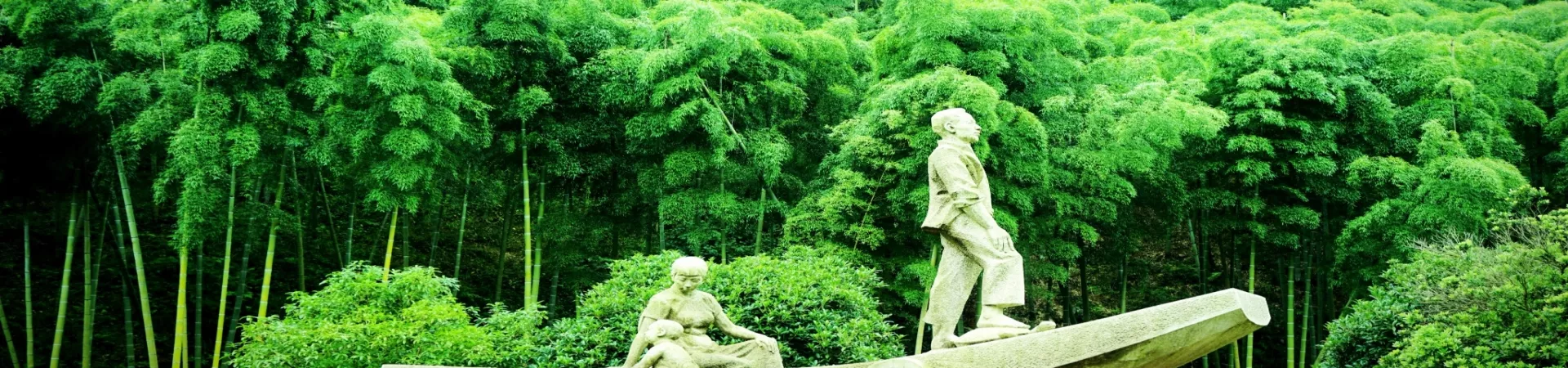
Subtitle: A Journey into the Emerald Heart of China's Bamboo Sea
Introduction Nestled within the lush, rolling hills of Anji County in Huzhou, Zhejiang Province, lies a landscape of breathtaking serenity and profound cultural significance: the China Grand Bamboo Sea. More than just a forest, it is a vast, living tapestry woven from millions of towering moso bamboo stalks, representing one of the largest bamboo culture and eco-tourism destinations in southeastern China. This realm, where mountains embrace water and bamboo merges seamlessly with hills in every shade of emerald and jade, offers visitors an unparalleled escape into a world defined by natural elegance and timeless tranquility. It stands as a living testament to the region's deep symbiotic relationship with bamboo, a cornerstone of local ecology, economy, and heritage.
The Realm of Green Gold: Ecological and Cultural Significance The China Grand Bamboo Sea is not merely a scenic area; it is the epicenter of China's moso bamboo cultivation and a model of sustainable forestry. The region's fame is encapsulated in a well-known local saying: "To understand China's moso bamboo, look to Zhejiang; to understand Zhejiang's, look to Anji; and to understand Anji's, look to the Port area," which this sea of bamboo dominates. This adage underscores the area's paramount role as a demonstration base for bamboo research and quality.
This vast expanse serves as a crucial ecological lung, with the dense bamboo groves playing a vital role in air purification, soil conservation, and carbon sequestration. Culturally, bamboo is deeply ingrained in the Chinese spirit, symbolizing resilience, humility, and integrity. A visit here is thus an immersion into both a critical natural ecosystem and a profound cultural symbol. The landscape itself appears as a meticulously painted, endless scroll—a masterpiece of nature where layers of verdant bamboo cascade over the contours of the hills, creating a dynamic and mesmerizing panorama of green that shifts with the light and breeze.
Experiencing the Bamboo Sea: Sights and Activities A. The Immersive Landscape The core experience is one of serene immersion. Visitors traverse pathways and trails that wind through seemingly endless groves. The air is cool and fragrant, filled with the gentle rustle of bamboo leaves—a sound known as "the whisper of the forest." Sunlight filters through the dense canopy, casting dappled patterns on the ground and creating a play of light and shadow that photographers and nature lovers cherish. Key vantage points offer spectacular views of the "sea" undulating over the mountains, a sight that is particularly majestic when morning mist clings to the peaks or during sunset when the stalks glow with a warm, golden hue.
B. Recreational Pathways and Viewpoints Well-maintained walking trails cater to various fitness levels, allowing for leisurely strolls or more vigorous hikes. For those seeking a panoramic perspective, viewing platforms and towers are strategically located. One of the most iconic experiences, popularized by its feature in the film Crouching Tiger, Hidden Dragon, is walking among the bamboo stalks that soar dozens of meters overhead, creating a natural cathedral of green. The area is also interlaced with clear streams and small waterfalls, adding the soothing melody of water to the sensory experience.
C. Cultural Integration and Leisure Scattered throughout the area are sites and activities that connect visitors to bamboo culture. This may include demonstrations of traditional bamboo craftsmanship, from weaving to instrument making, and educational displays about the plant's lifecycle and uses. The tranquil environment is also ideal for meditation, painting, or simply finding a quiet spot to read and relax amidst nature's grandeur.
Practical Visitor Information A. Location and Transportation The China Grand Bamboo Sea is situated in the Port (Gangkou) area of Anji County, Huzhou City, Zhejiang Province. The most flexible and recommended mode of travel is by private car or self-drive, as it allows visitors to explore the area at their own pace and easily access the various entry points and parking facilities. Public transportation options are available but may require connections via bus from Anji's main town or nearby transport hubs.
B. Admission Fees and Operating Hours The park operates with a tiered ticketing system: * General Admission: Full price ticket is 58 RMB. * Concessions (Half-price, 29 RMB): Applicable to children with a height between 1.2 meters (inclusive) and 1.5 meters (inclusive), and seniors aged 60 and above upon presentation of valid ID. * Free Admission: Granted to children under 1.2 meters in height; individuals with valid tour guide or press cards; teachers with 30 years of service; and active or retired military personnel with valid officer or soldier identification.
Operating hours vary seasonally: * May 1st to September 30th: Open from 08:00 to 17:00, with last entry at 17:00. * October 1st to April 30th of the following year: Open from 08:00 to 16:30, with last entry at 16:30.
C. Suggested Duration and Planning A comprehensive visit typically requires 1 to 3 hours, depending on one's pace, chosen trails, and level of engagement with the surroundings. To fully appreciate the tranquility and avoid larger crowds, weekday visits or early mornings are advisable. Comfortable walking shoes, weather-appropriate clothing, and water are essential. The contact number for general inquiries is 0572-5210999.