Jiumenkou Scenic Area
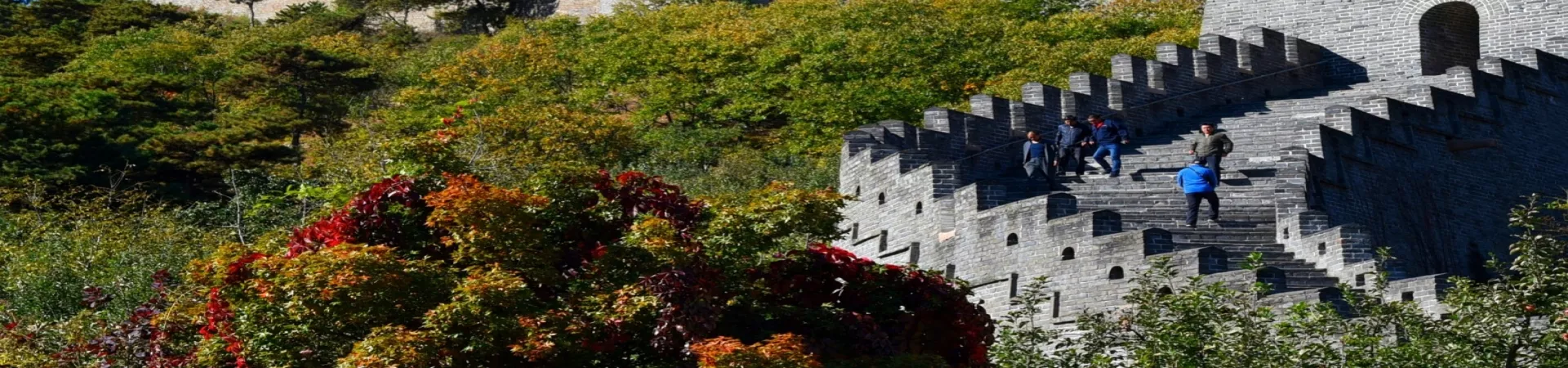
Subtitle: A Journey Through History and Nature at Jiumenkou, the Only Water-Great Wall
1. Introduction to Jiumenkou Great Wall
Nestled in the rugged landscapes of Huludao City, Liaoning Province, Jiumenkou Great Wall stands as a testament to China’s rich historical and architectural heritage. Unlike any other section of the Great Wall, Jiumenkou is uniquely characterized by its strategic military significance and its breathtaking integration with natural waterways. Dating back to the Ming Dynasty and earlier, this fortress served as a vital defensive stronghold, guarding the frontier against invasions. What sets it apart is its distinction as the only “Water-Great Wall” in China, where the structure spans over a river, creating a mesmerizing blend of human ingenuity and natural beauty. For visitors, Jiumenkou offers not just a glimpse into ancient China’s military prowess but also an immersive experience in a setting where history and landscape converge.
2. Historical Significance and Architectural Marvel
2.1. Military Importance in Ancient Times
Jiumenkou Great Wall has long been recognized as a critical military pass, with roots tracing back to eras predating the Ming Dynasty. Its location in Suizhong County, near the border of Hebei Province, positioned it as a frontline defense point, controlling access to northern China. The wall was designed to withstand sieges and invasions, featuring robust fortifications that included watchtowers, battlements, and gates. Historically, it played a pivotal role in safeguarding the region, with artifacts and remnants from various dynasties highlighting its enduring strategic value. Today, visitors can explore these ancient structures, gaining insights into the tactical innovations that defined China’s imperial defenses.
2.2. The Unique Water-Great Wall Feature
The most striking aspect of Jiumenkou is its aquatic dimension—a 100-meter-long section that stretches across the Jiujiang River, earning it the title of “Water-Great Wall.” This architectural feat involves nine water gates (or “mouths”) built into the wall’s foundation, allowing the river to flow freely beneath the structure. The design showcases the ingenuity of ancient engineers, who harmonized military needs with environmental considerations. As the water cascades through the gates, it creates a dynamic spectacle, described poetically as “the wall walking on the mountain, while the water flows beneath the city.” This interplay between stone and stream not only enhanced the wall’s defensive capabilities but also resulted in a scenic masterpiece that draws photographers, historians, and nature enthusiasts alike.
3. Visitor Experience and Practical Information
3.1. Scenic Highlights and Natural Beauty
At Jiumenkou, the landscape is as compelling as the history. The Great Wall snakes along mountainous terrain, offering panoramic views of the surrounding valleys and the Jiujiang River below. The sight of the water gushing through the nine gates is particularly壮观 (spectacular), especially during the rainy season when the river swells, amplifying the visual drama. Visitors can walk along the restored sections of the wall, capturing photos of the lush greenery in summer or the snow-dusted peaks in winter. The area is also home to diverse flora and fauna, with the nearby Zhenqin Sightseeing Garden (included in the ticket) providing opportunities to observe rare birds and wildlife. For those seeking a deeper connection with nature, the site’s tranquil ambiance—away from urban crowds—makes it an ideal spot for reflection and exploration.
3.2. Climate Considerations and Preparation Tips
Due to its elevated location, Jiumenkou experiences significant temperature fluctuations and strong mountain winds, which can make weather conditions unpredictable. To ensure a comfortable visit, it is advisable to bring layered clothing, including a warm jacket, even during warmer months. Sturdy footwear is essential for navigating the uneven stone paths and steep sections of the wall. Additionally, carrying water and snacks is recommended, as facilities may be limited on-site. By preparing for these elements, visitors can fully enjoy the outdoor adventure without discomfort.
4. Logistics and Travel Details
4.1. Transportation and Accessibility
Jiumenkou Great Wall is situated in Xintaizi Village, Lijia Township, Suizhong County, Huludao City, approximately 15 kilometers from Shanhaiguan and 310 kilometers from Beijing. For travelers, the most convenient option is driving: take the Jing-Shen Expressway (Beijing-Shenyang), exit at Wanjia, and follow the Zhijiu Line (Zhimaogang to Jiumenkou) for about 15 kilometers to reach the destination. Public transportation is less direct but available via buses from Huludao or Shanhaiguan, with local taxis offering supplementary rides. The journey itself is scenic, passing through rural landscapes that hint at the region’s historical depth.
4.2. Ticketing and Operating Hours
Admission to Jiumenkou includes access to the Great Wall, the ancient tunnel system, and the Zhenqin Sightseeing Garden. A general ticket costs 90 RMB, while students can avail a discounted rate of 60 RMB upon presenting valid identification. It is advisable to purchase tickets on-site, as online options may be limited. The site operates daily from 8:00 AM to 5:00 PM throughout the year, with no closures on weekends or holidays. Visitors should allocate at least three hours to explore the main attractions thoroughly, though history buffs or hikers might spend longer immersing themselves in the area.
4.3. Additional Resources and Contact Information
For inquiries or assistance, visitors can contact the scenic area directly at 0429-6491155. While on-site amenities include basic restrooms and souvenir stalls, it is worth noting that dining options are sparse; bringing your own food or planning a meal in nearby towns like Suizhong is recommended. English signage may be limited, so downloading a translation app or hiring a local guide (available at the entrance) can enhance the experience, providing context to the historical narratives. Overall, Jiumenkou Great Wall promises a unique journey—where the echoes of ancient battles meet the serene flow of river waters, inviting all to witness a lesser-known yet magnificent chapter of China’s Great Wall legacy.