bell tower and drum tower
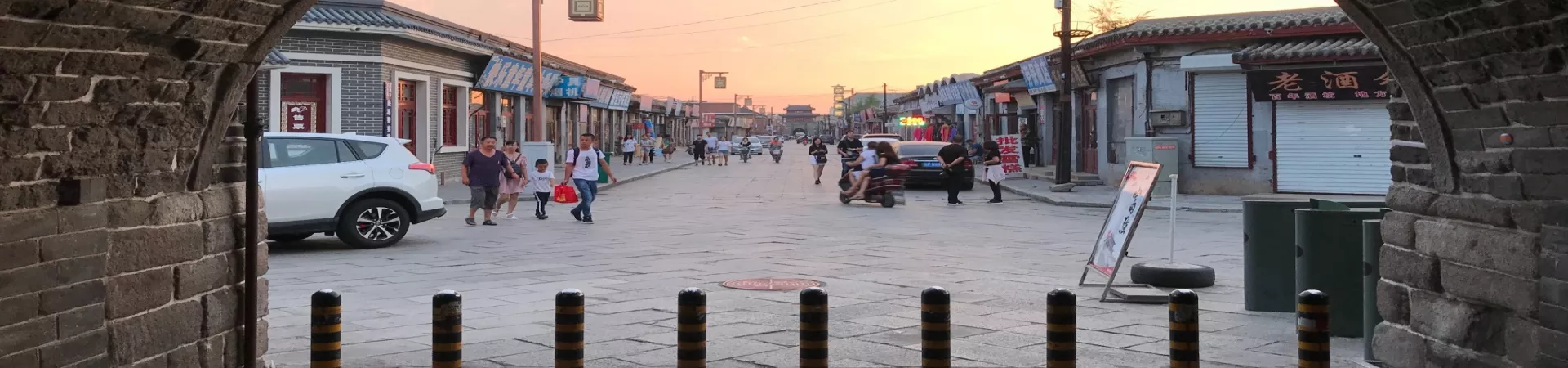
Subtitle: A Journey Through Time: Exploring the Bell and Drum Tower of Huludao
1. Introduction Nestled within the ancient city of Xingcheng, a district of the coastal prefecture-level city of Huludao in Liaoning Province, stands a monument that resonates with the echoes of history and offers a commanding view of the present—the Bell and Drum Tower. More than just an architectural landmark, this structure serves as a cultural nexus, connecting visitors to the region's profound archaeological past, its historical significance in imperial China, and its enduring scenic beauty. A visit here is not merely a stop on a tourist itinerary; it is an immersive experience that engages the senses, from the visual grandeur of its design to the imagined reverberations of its ancient drum and the panoramic vistas it bestows.
2. Architectural Grandeur and Symbolic Function 2.1. Design and Structure The Bell and Drum Tower is a masterpiece of traditional Chinese wooden architecture, distinguished by its sophisticated and elegant form. It is constructed as a two-story pavilion with a "double-eave, hip-and-gable, and round ridge" (重檐歇山卷棚顶) roof style. This complex design features two distinct layers of upturned eaves, creating a sense of layered grandeur and visual rhythm. The "hip-and-gable" component combines a sloping hip roof with gable ends, while the "round ridge" signifies a smoothly arched, rather than angular, main roof ridge, lending the structure a flowing, graceful silhouette. Encircling both levels is a veranda with a surrounding corridor (围廊式), inviting visitors to walk its perimeter and observe the intricate craftsmanship from every angle.
2.2. The Heartbeat of the Tower: The Great Drum Within the tower's upper chamber resides its most awe-inspiring artifact: a colossal war drum. With an impressive diameter of 2.25 meters (approximately 7.4 feet), this drum is recognized as the largest military drum in Asia. In ancient Chinese cities, bell and drum towers served as the municipal timekeepers and alarm systems. The drum would be struck at dusk to signal the closing of city gates and the onset of the night watch, while the bell would chime at dawn. The sheer scale of this drum underscores the historical importance of Xingcheng as a strategic military and administrative center, particularly during the Ming and Qing dynasties when the ancient city walls were fortified. Standing before it, one can easily imagine the deep, resonant booms that once echoed across the city, regulating daily life and summoning the community in times of urgency.
3. A Repository of Regional History and Culture 3.1. Archaeological Treasures: From Hongshan to the Spring and Autumn Period The tower's function as a cultural repository extends far beyond its architectural and timekeeping roles. Its interior houses a carefully curated collection of precious archaeological finds excavated in and around Xingcheng. Most notably, it features artifacts from the Hongshan Culture (红山文化), a Neolithic culture dating back approximately 5,000 to 6,000 years. These relics, which may include distinctive jade artifacts, pottery, or tools, offer a tangible connection to one of China's earliest and most influential prehistoric cultures, known for its advanced social organization and spiritual practices.
The historical journey continues with exhibits from the Spring and Autumn Period (770-476 BCE), an era of philosophical flowering and interstate conflict. Artifacts from this time provide insight into the region's early development during a pivotal chapter of Chinese civilization. This collection transforms the tower from a mere watchtower into a local history museum, compressing millennia of human activity in the Liaoxi Corridor into a single, contemplative space.
3.2. Modern Connections: A Gallery of Distinguished Visitors Bridging the ancient with the modern, the tower also dedicates space to a photographic record of its contemporary significance. Displayed within are images of Chinese national leaders and renowned domestic and international personalities who have visited Xingcheng. This gallery highlights the ongoing importance of the ancient city and its landmarks as a site of cultural heritage and diplomatic interest, demonstrating how this historical monument continues to engage with the wider world.
4. The Panoramic Vista: A View from the Top 4.1. Commanding Views of Ancient Xingcheng The architectural journey culminates in the sensory reward of the view. Ascending to the upper level and stepping onto the encircling veranda, visitors are treated to a breathtaking, 360-degree panorama of Xingcheng's well-preserved ancient city (古城). The orderly layout of Ming-Qing era streets, traditional courtyard homes, and distant segments of the city wall unfolds below, offering a unique perspective on one of China's most complete historic walled cities.
4.2. The Scenic Backdrop: Shou Mountain Dominating the southern horizon is the elegant and picturesque Shou Mountain (首山). Its gentle, forested slopes and distinctive profile provide a stunning natural backdrop to the human-made geometry of the ancient city. The name "Shou," meaning "longevity" or "head," adds a layer of poetic symbolism to the landscape. This harmonious integration of cultural architecture and natural beauty creates a scene of profound tranquility, truly making one feel "refreshed and delighted (心旷神怡)." It is the perfect place for photography, contemplation, and appreciating the strategic reason for the tower's location.
5. Practical Visitor Information 5.1. Opening Hours and Admission The Bell and Drum Tower is generally open to the public daily from 8:30 AM to 6:00 PM, with last admission typically at 5:30 PM. It is advisable to confirm these hours locally, as they can be subject to change seasonally or for maintenance. For the most accurate and current information regarding ticket prices and any potential discounts, visitors should consult directly with the scenic area's ticket office upon arrival or check official local tourism websites prior to their visit.
5.2. Suggested Duration and Experience A comprehensive visit to the Bell and Drum Tower typically requires 1 to 3 hours. This allows sufficient time to appreciate the exterior architecture, explore the interior historical and archaeological exhibits on both floors, study the great drum, and leisurely enjoy the panoramic views from the upper veranda. To enhance the experience, visitors are encouraged to combine their tour with a walk along the nearby ancient city walls and a visit to other key sites within Xingcheng's historic core, such as the Confucian Temple and the General's Mansion, to fully immerse themselves in the city's rich historical tapestry.