Turtle Nature Reserve
Subtitle: A Sanctuary by the Sea: Exploring China's Sole National Nature Reserve for Sea Turtles
1. Introduction to a Unique Ecosystem
Nestled on the coast of Huidong County in Huizhou, Guangdong Province, lies a conservation site of extraordinary significance: the Guangdong Huizhou Huidong Port Sea Turtle National Nature Reserve. This reserve holds the distinguished title of being China's only national nature reserve dedicated specifically to the protection of sea turtles. Its geographical setting is a masterpiece of natural design, characterized by a peninsula that extends into the South China Sea, creating a serene environment embraced on three sides by ocean waters. This unique configuration fosters a microclimate with ideal environmental conditions—including optimal temperature, salinity, and water quality—that are crucial for the survival and reproduction of various sea turtle species. The landscape is one of breathtaking beauty, where lush coastal vegetation meets expansive sandy beaches and the endless blue horizon, offering visitors not just an educational experience but a profoundly scenic one.
2. The Heart of Conservation: The Sea Turtle Museum and Habitats
2.1. A Living Gallery of Ancient Mariners The cornerstone of the visitor experience is the reserve's Sea Turtle Museum and associated husbandry facilities. Here, the abstract concept of conservation becomes tangible. Guests are granted a rare opportunity to observe several species of sea turtles at close range. The resident population typically includes the iconic Green Sea Turtle, the beautifully patterned Hawksbill Turtle, and the smaller Olive Ridley Turtle, among others. The museum showcases individuals at various life stages, from curious hatchlings just a few months old to venerable, slow-moving adults that can be nearly a century old. This age spectrum provides a powerful, visual narrative of the sea turtle's long and vulnerable lifecycle.
2.2. An Immersive Educational Journey Beyond mere observation, the facility is designed as a comprehensive educational center. Through detailed informational displays, interactive models, and often, guided explanations, visitors embark on a fascinating科普之旅 (science popularization journey). You can learn about the remarkable biological adaptations of sea turtles, their migratory patterns that span entire oceans, their specific dietary habits, and the daunting challenges they face from birth to adulthood. The focus is on creating awareness about the critical threats these ancient creatures confront, such as habitat loss, plastic pollution, and illegal trade, thereby highlighting the vital importance of the reserve's work.
3. The Protected Beach: A Nursery Off-Limits
3.1. A Perfect Natural Incubator Adjacent to the museum lies the core of the reserve's mission: the pristine beach where sea turtles come to nest. This stretch of shore is meticulously preserved for its natural properties essential to reproduction. The beach features an exceptionally gentle slope and sand of a very fine, soft grain, making it effortless for heavy female turtles to haul themselves ashore and dig their nests. These same physical characteristics create perfect incubation conditions for the buried eggs.
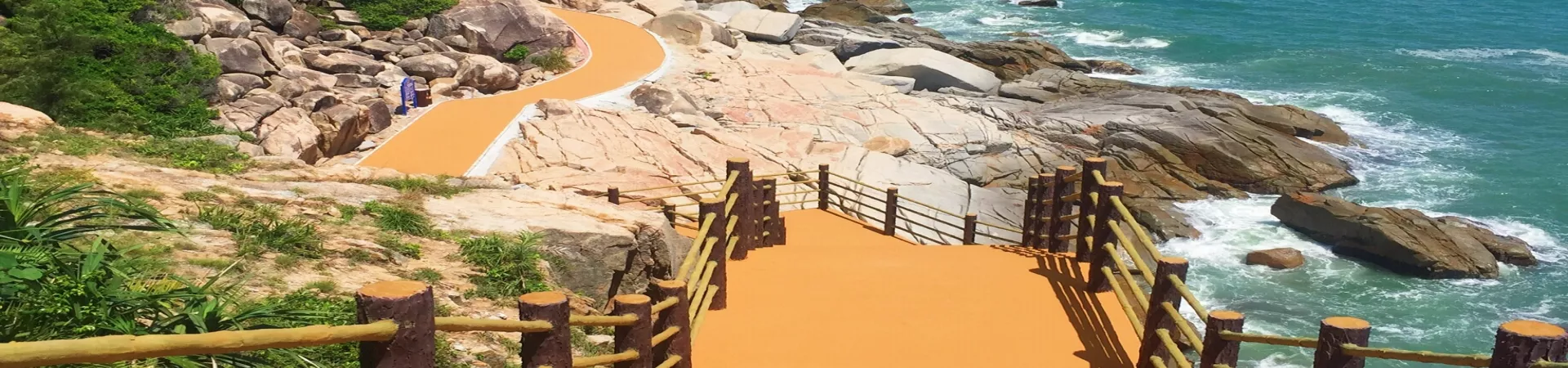
3.2. Responsible Observation and Breathtaking Vistas In line with its primary conservation mandate, the nesting beach itself is not open to tourist access. This strict policy prevents disturbance to nesting females, protects fragile eggs from accidental damage, and ensures hatchlings have a clear, safe path to the sea. However, the reserve thoughtfully provides visitors with an alternative. A sturdy and scenic boardwalk (栈道) has been constructed along the perimeter. Walking along this elevated path, you can enjoy panoramic, uninterrupted views of the majestic coastline, the rolling waves, and the protected sands from a respectful distance. On occasion, especially during the nesting season (typically summer months), visitors might be fortunate enough to spot a turtle in the water near shore or witness conservation staff conducting research, adding a layer of excitement to the serene walk.
4. Practical Visitor Information
4.1. Admission Fees and Operating Hours A visit to the reserve is both accessible and well-structured. The standard admission fee is 30 RMB per person. The reserve follows a compassionate pricing policy: half-price tickets are available for minors over 1.3 meters in height but under 18 years old, and for seniors aged 60 to 69 (with valid ID). Free admission is granted to children under 1.3 meters in height and seniors aged 70 and above (with valid ID). It is always advisable to check for any updates on pricing or policy changes before your visit.
The reserve is open daily from 8:30 AM to 5:30 PM, with last entry at 5:30 PM. During certain periods, hours may shift slightly to 8:30 AM to 5:00 PM. Planning for a visit typically requires 1 to 3 hours, allowing ample time to explore the museum exhibits, walk the boardwalk, and fully absorb the environment.
4.2. Conservation in Action and How to Connect The Huidong Port Sea Turtle National Nature Reserve is more than a tourist attraction; it is an active research and rescue center. The work conducted here is vital for the survival of sea turtle populations in the region. For inquiries, especially regarding group visits or specific educational programs, you may contact the reserve at 0752-8560326.
A journey to this unique sanctuary offers a meaningful blend of natural beauty, deep ecological learning, and the inspiring chance to witness dedicated conservation efforts firsthand. It stands as a poignant reminder of humanity's role as stewards of the natural world and the delicate, ancient lives that depend on our protection.