Goddess' Palace
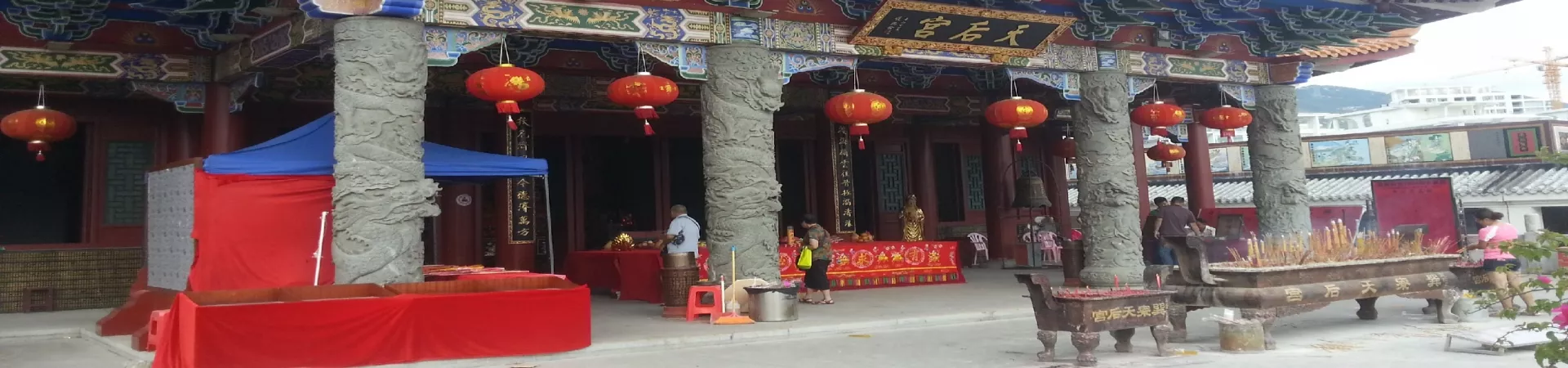
Subtitle: A Journey Through Time and Tradition at Huizhou's Mazu Epicenter
Introduction: Where River Meets Reverence
Nestled on the southwestern bank of the Xunliao River in Huizhou, the Tianhou Palace (Empress of Heaven Palace) stands as a monumental testament to faith, history, and cultural preservation. More than just a temple, it is the largest existing Mazu temple complex in terms of architectural scale, offering visitors an immersive gateway into the spiritual and folkloric heart of southern China. Its grandeur is matched by the palpable sense of tranquility and the enduring,淳朴 (chún pǔ) simple and honest local customs that permeate the area. This site masterfully transcends its primary role as a place of worship, evolving into a vibrant, living quarter where ancient rituals, bustling market life, and leisurely exploration coexist harmoniously.
1. Architectural Grandeur and Spiritual Significance
1.1. A Colossal Homage to the Sea Goddess The primary structure of the Tianhou Palace is an awe-inspiring example of traditional temple architecture. As the largest of its kind dedicated to Mazu, the Taoist goddess of the sea and patron deity of sailors and fishermen, its design commands respect. Soaring roofs adorned with intricate ceramic figurines, vividly painted beams depicting mythological scenes, and solemn, spacious halls create an atmosphere of profound reverence. The complex's layout and orientation, following traditional Chinese geomancy (Feng Shui), enhance its spiritual aura, with the adjacent Xunliao River symbolizing the goddess's domain and providing a serene natural backdrop.
1.2. The Heart of Devotion: Rituals and Worship At its core, the palace remains a fully active center for Mazu veneration. Visitors can witness or participate in traditional祭拜 (jì bài) worship ceremonies, especially during significant festivals like Mazu's birthday. The air is often fragrant with incense, and the sounds of prayers and ceremonial music contribute to an authentic cultural experience. This active devotional life connects the modern visitor directly to a centuries-old maritime tradition that has shaped the coastal communities of Guangdong and beyond.
2. Exploring the Historic Culture Theme Zone: A Living Ancient Street
Beyond the main temple, the site expands into a meticulously planned Historic Culture Theme Zone. This area is designed as a comprehensive岭南 (Lingnan) cultural style antique street, seamlessly blending historical immersion with contemporary enjoyment.
2.1. Cultural Hubs: Ancient Theater and Fishermen's Life Museum * The Ancient Opera Stage (古戏台): A central feature of the zone, this stage is a platform for the performing arts. It regularly hosts traditional Chinese opera, folk music, and dance performances, bringing to life the entertainment forms cherished by past generations. * Fishermen's Life and Entertainment Theme Pavilion (渔家生活娱乐主题馆): This interactive museum offers a deep dive into the local coastal heritage. Through exhibits, artifacts, and reconstructions, it vividly illustrates the daily lives, tools, traditions, and recreational activities of the fishing communities that have long relied on Mazu's protection.
2.2. Leisure and Commerce: Streets of Discovery * Boutique Bar Street (酒吧街): Contrasting yet complementing the historical theme, this area offers a modern leisure space. Visitors can unwind in stylish bars and cafes, many featuring al fresco seating, perfect for enjoying a drink while reflecting on the day's explorations against the backdrop of仿古 (fǎng gǔ) imitation ancient architecture. * Alley of Specialty Shops (特色小店): Meandering through the zone's streets reveals a treasure trove of small, unique shops. These outlets sell a wide array of local handicrafts, souvenirs, traditional snacks, teas, and cultural artifacts, making it an ideal place for寻找 (xún zhǎo) seeking meaningful gifts and mementos.
3. Practical Information for Visitors
3.1. Duration and Timing A visit to the Tianhou Palace and its surrounding theme zone is best enjoyed at a leisurely pace. It is recommended to allocate approximately 1 to 3 hours to fully appreciate the main temple, explore the various theme pavilions, enjoy a performance, and stroll through the shopping and dining lanes. The entire complex is open 24 hours a day, every day of the year, allowing for flexible scheduling. Daytime visits offer the best visibility for architectural details and museum exhibits, while the evening transforms the area with atmospheric lighting, creating a magical setting for the bar street and night strolls.
3.2. Access and Transportation Reaching the site is straightforward via public transport. Visitors can take the dedicated Xunliao Seaside Express Bus and alight at the "Tianhou Palace Mazu Temple Station" (天后宫妈祖庙站). The bus service provides a direct and convenient link from key points in the area.
3.3. Admission Details For the most current information regarding ticket prices for entry into the Tianhou Palace main hall or any specific themed pavilions within the complex, it is advisable to consult directly with the scenic area's official information counters or check their official website prior to your visit. Policies and fees for special exhibitions or performances may vary.
4. The Integrated Experience: A Cultural Tapestry
The true genius of Huizhou's Tianhou Palace lies in its successful integration of multiple facets into a single, cohesive destination. It functions simultaneously as: * A Major Pilgrimage Site, drawing devotees to its sacred halls. * An Outdoor Museum, preserving and presenting Lingnan maritime culture. * A Cultural Performance Venue, keeping traditional arts alive. * A Retail and Gastronomy Hub, showcasing local products and cuisine in an authentic setting. * A Leisure District, providing spaces for relaxation and socializing.
This multifaceted approach ensures that every visitor, whether seeking spiritual insight, historical knowledge, cultural entertainment, or simple leisure, finds a rich and engaging experience. The seamless fusion of the solemn and the celebratory, the ancient and the modern, within this architecturally magnificent setting is what defines a trip to this remarkable corner of Huizhou.