The Sui Tang Grand Canal Museum
A Journey Through Time: Unveiling the Grand Canal's Legacy at the Sui-Tang Grand Canal Museum in Huaibei
Nestled in the historic city of Huaibei, Anhui Province, the Sui-Tang Grand Canal Museum stands as a monumental tribute to one of human history's most astonishing feats of engineering and a pivotal artery of Chinese civilization. More than a mere repository of artifacts, this modern institution serves as a dynamic portal, inviting visitors to traverse the epochs and experience the profound impact of the Grand Canal on China's cultural, economic, and social tapestry. Its architecture itself, often incorporating design elements reminiscent of flowing water or ancient boats, subtly prepares the visitor for the immersive journey ahead.
The Historical Backdrop: Why the Grand Canal Matters To fully appreciate the museum's collection, one must understand the magnitude of the Grand Canal project. Initiated in the 5th century BC and massively expanded during the Sui and Tang dynasties (7th-10th centuries AD), it was an undertaking of staggering ambition. Stretching over 1,700 kilometers from Beijing to Hangzhou, it linked the Yellow River and the Yangtze River basins, creating a unified network for transport, communication, and control.
- An Engineering Marvel of the Ancient World: The construction involved overcoming immense geographical challenges, including differences in elevation and water supply. The solutions—complex lock systems, canalized rivers, and artificial lakes—showcased an advanced understanding of hydraulics and logistics that was unparalleled for its time.
- The Lifeline of an Empire: The Canal's primary function was pragmatic: to secure the steady supply of grain, especially rice, from the fertile south to the political and military centers in the north. This "grain transport" was the economic bedrock of successive imperial dynasties, ensuring stability and enabling the flourishing of cities along its route.
- A Conduit for Culture and Exchange: Beyond rice and silk, the Canal facilitated an unprecedented flow of people, ideas, arts, and customs. It became a melting pot, where dialects, culinary traditions, handicrafts, and religious practices intermingled, fundamentally shaping the cultural landscape of eastern China.
Exploring the Museum's Narrative Galleries The museum's exhibition strategy is both chronological and thematic, guiding visitors from the Canal's conception to its enduring legacy. The galleries are typically organized to provide a layered understanding.
2.1 The Feat of Creation: Sui and Tang Dynasties This section forms the core of the museum's historical narrative, focusing on the period of the Canal's greatest expansion. * Imperial Decrees and Massive Mobilization: Displays detail the political will of emperors like Emperor Yang of Sui, illustrating the immense human cost and administrative organization required to marshal hundreds of thousands of laborers. * Tools and Techniques: Exhibits of reconstructed tools—wooden shovels, baskets, primitive cranes—along with detailed diagrams and models, explain the ancient engineering methodologies. Interactive maps showcase the evolving route of the Canal during this era. * Tang Dynasty Prosperity: Artifacts here highlight the Canal's role in fueling the cosmopolitan glory of the Tang Dynasty. Ceramics, metalwork, and replicas of richly laden barges illustrate the vibrant commercial life that pulsed along the waterway.
2.2 A Thriving Waterway: Commerce and Daily Life Moving from grand history to human-scale stories, this section vividly reconstructs the world of the Canal during its operational zenith. * Replica Vessels and Dockyards: Life-sized or scaled models of various canal boats—from official grain barges to passenger ferries and private merchant vessels—are central to this gallery. Dioramas of bustling wharves, complete with figurines of merchants, porters, and sailors, animate the scene with sound and light. * The Goods That Built an Empire: Thematic displays are dedicated to the principal commodities transported: sacks of grain, bales of silk, bundles of tea, and crates of porcelain. Explanations detail their origins, destinations, and economic value. * Life in Canal Towns: This subsection personalizes the history, showing how towns like the ancient Suxian (modern Huaibei's predecessor) grew and thrived. Exhibits include reconstructions of shop fronts, taverns, and artifacts of daily use—pottery, coins, clothing, and games—that belonged to the people who lived and worked on the banks.
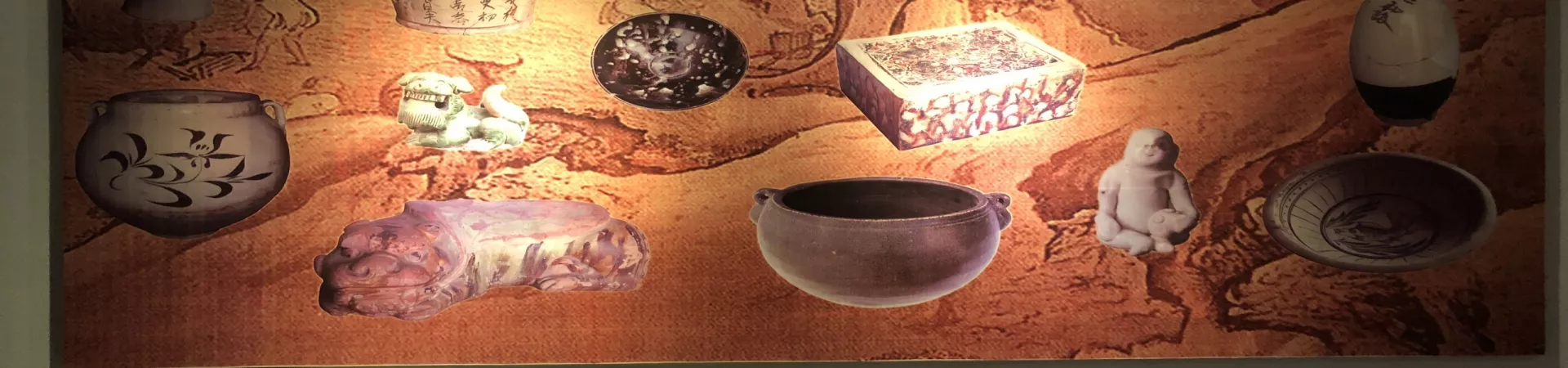
2.3 Cultural Fusion and Artistic Legacy Here, the museum explores the intangible heritage born from the constant interaction along the Canal. * Religious Diffusion: Artifacts such as statuettes, stele fragments, and paintings demonstrate the spread of Buddhism, Daoism, and other beliefs via the waterway. A model of a canal-side temple might be featured. * Literary and Artistic Inspiration: The Canal, a muse for poets and painters, is celebrated through excerpts from classical poetry, replica scroll paintings depicting scenic sections, and famous literary works composed by travelers. * Craftsmanship and Folk Traditions: Displays highlight regional handicrafts that were disseminated and evolved thanks to the Canal, such as specific pottery styles from kilns located along its route, woodblock printing, or unique musical instruments.
The Huaibei Connection and Archaeological Treasures A significant portion of the museum is rightly devoted to local history and archaeological discoveries from the Huaibei section of the Canal. 3.1 The Ancient Suxian Section Huaibei, historically part of Suxian, was a crucial transit point. Detailed topographical models illustrate the local canal route, its connection to nearby rivers, and the location of ancient docks and administrative centers. 3.2 Discoveries from the Riverbed This section is often the most captivating for its tangible link to the past. * The Sunken Fleet: The museum's star exhibits frequently include remarkably well-preserved wooden ship hulls and components excavated from the silt of the old canal bed near Huaibei. Their conservation state offers direct insight into ancient shipbuilding technology. * Cargoes of Time: Alongside the ships, visitors find the actual cargo they carried—thousands of ceramic pieces, iron tools, copper coins, and even organic remains like fruit seeds and animal bones. Each item tells a micro-story of trade and daily life. * Conservation Laboratory Viewing Area: Some museums feature a glass-walled lab where visitors can see archaeologists and conservators at work, painstakingly preserving newly recovered artifacts, emphasizing that history is an ongoing discovery.
Modern Interpretation and Continuing Relevance The museum does not relegate the Grand Canal to the past. Its final sections are dedicated to its modern legacy and ecological significance. 4.1 From Imperial Artery to World Heritage Exhibits explain the Canal's gradual evolution in the modern era, its partial restoration, and its ultimate recognition as a UNESCO World Heritage Site. This status underscores its universal value as a masterpiece of human creative genius. 4.2 Ecology and Sustainable Heritage Modern interactive displays might address the environmental history of the Canal, past challenges with water management and siltation, and contemporary efforts to protect and sustainably manage this historic waterway as a cultural and ecological resource. 4.3 A Living Cultural Landscape The narrative concludes by connecting the Canal's history to the present day, showing how it continues to inspire art, culture, and community identity in cities like Huaibei, and how its story is integral to understanding China's enduring connection between its north and south.
Visitor Information: For inquiries, visitors can contact the museum at 0561-3922071. It is advisable to check for any updates on opening hours, special exhibitions, or guided tour availability prior to your visit.