Zhu Family Garden
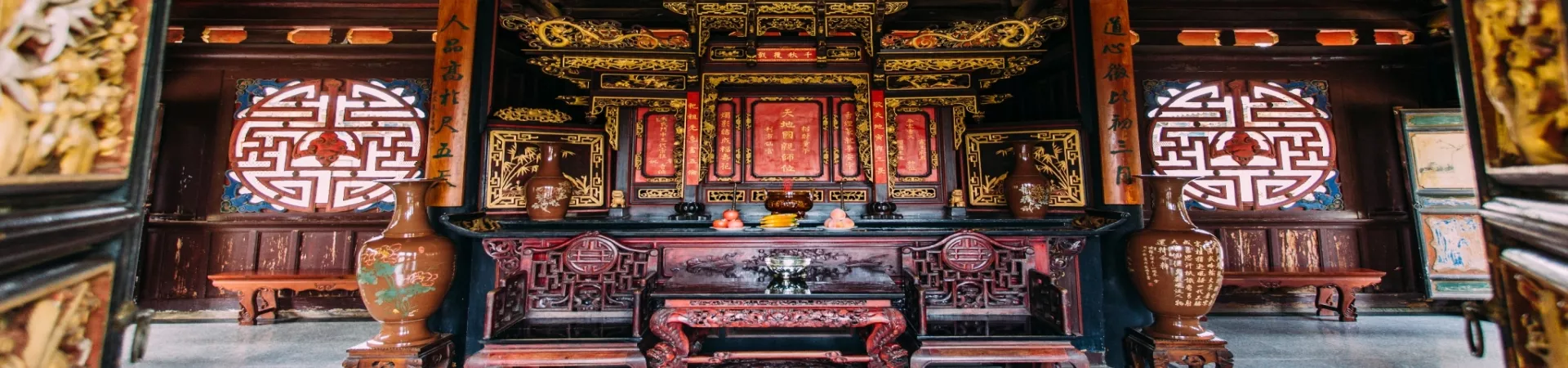
Subtitle: A Journey Through Time in the "Grand View Garden of Southern Yunnan"
1. Introduction: A Glimpse into Opulent History Nestled within Jian Shui Ancient Town on Hanlin Street, the Zhu Family Garden stands as a magnificent testament to the wealth, artistry, and turbulent history of late imperial China. Constructed by the wealthy local gentry brothers Zhu Weiqing and Zhu Chaozhen at the end of the Qing Dynasty, this expansive complex served as both a luxurious private residence and an ancestral temple. Its breathtaking scale and intricate design, which seamlessly blends living quarters, ceremonial spaces, and ornamental landscapes, have rightfully earned it the poetic nickname "the Grand View Garden of Southern Yunnan." More than just an architectural wonder, the garden is a physical narrative of a family's rise and fall, offering visitors a profound and immersive journey into a bygone era of Chinese culture and society.
2. Architectural Layout and Design: A Labyrinth of Grandeur The genius of the Zhu Family Garden lies in its sophisticated and deliberate layout. The entire complex is a premier example of Jian Shui's distinctive "linked-row" residential architecture, masterfully organized on a "four-length, three-width" axis system.
2.1. The "Vertical Four, Horizontal Three" Structure This "纵四横三" (zòng sì héng sān) framework divides the property into a series of courtyards aligned along four main longitudinal lanes, intersected by three lateral pathways. This creates a grid-like foundation that brings order to the vast compound while allowing for surprising spatial variety.
2.2. Two Core Components: Dwelling and Sanctuary The garden is fundamentally split into two interconnected yet distinct sections: * The Residential Quarters: These were the daily living spaces for the Zhu family, comprising numerous courtyards, bedrooms, studies, and reception halls. Each courtyard is self-contained, offering privacy and tranquility, yet all are linked through moon gates, covered corridors, and intricate doorways. * The Ancestral Temple: This solemn section was dedicated to venerating family ancestors. It typically features a main hall for rituals, altars, and spaces for family gatherings during important ceremonies, showcasing the Confucian values of filial piety and lineage that were central to the family's identity.
2.3. A Living Maze of Spatial Poetry Walking through the garden is an experience of endless discovery. The clever arrangement of pavilions, rockeries, ponds, flowering trees, and winding corridors creates a dynamic play of concealment and revelation. Vistas open and close, leading visitors through a sequence of carefully composed scenes. This rich, layered, and ever-changing landscape is what gives the garden its enchanting, maze-like quality, inviting exploration and quiet contemplation at every turn.
3. Key Features and Visitor Experience
3.1. The Huaiyuan Hall and Family History Exhibition In the southeastern corner of the garden, the Huaiyuan Hall (怀远厅) houses a poignant and essential exhibition: the Zhu Family's Century of Rise and Fall. Through a collection of historical photographs, documents, and explanatory texts, this exhibition chronicles the family's illustrious beginnings, their cultural contributions, and the subsequent hardships they endured through the 20th century's political upheavals. It provides crucial context, transforming the beautiful buildings from mere structures into chapters of a compelling human story.
3.2. The Unique Opportunity of an Overnight Stay A distinctive aspect of the Zhu Family Garden is that a portion of it now operates as a boutique hotel. This allows for an unparalleled experience: the chance to sleep within a national heritage site. Guests who stay overnight enjoy complimentary admission to the garden and the rare privilege of wandering its silent, atmospheric lanes and courtyards after the daytime crowds have departed. It is important to note that this exclusive experience comes at a premium, with room rates typically starting around 480 RMB for a standard room and 780 RMB for a suite. Reservations are essential and can be made directly.
4. Practical Information for Planning Your Visit
4.1. Location and Transportation The garden is situated at Hanlin Street within the well-preserved Jian Shui Ancient Town. * By Bus: Several local bus routes serve the area. You can take Jian Shui Bus No. 13, 20, 21, or the No. 4 Xizhuang Special Line and alight at the Chaoyang Lou (East Gate) stop. From there, it is a short and pleasant walk. * On Foot: If you are already exploring the ancient town, the garden is easily accessible on foot. Its location makes it a convenient centerpiece for a day of sightseeing in Jian Shui.
4.2. Admission Fees and Opening Hours * Standard Ticket: 35 RMB (applicable year-round). * Important Note: Ticket prices are subject to change. It is always advisable to verify the latest fees through official channels before your visit. * Opening Hours: The garden is open daily from 8:00 to 19:00, with last admission at 19:00.
4.3. Special Admission Policies The garden offers several exemptions and discounts, including but not limited to: * Senior citizens holding a Yunnan Province "Elderly优待证" and valid ID. * Designated tour guides (one local, one national escort) and bus drivers for organized tour groups, upon presentation of valid professional certificates. * Holders of the "Yunnan High-Level Talent Green Channel Service Certificate," who may bring up to 5 family members. * Teachers with a valid national teacher's qualification certificate and ID during specified winter (Jan 1 - Mar 1) and summer (Jul 1 - Aug 31) vacation periods.
4.4. Suggested Duration and Contact * Time to Allocate: To fully appreciate the architecture, gardens, and exhibition, a visit of 1 to 3 hours is recommended. Overnight guests will, of course, have a much more extended and relaxed experience. * Contact: For specific inquiries, particularly regarding hotel availability, you can call 0873-7667115.