Jingkou Hani Folk Village
Subtitle: A Journey into the Heart of Hani Culture and Terraced Landscapes
1. Introduction to Qingkou Hani Folk Village
Nestled within the breathtaking scenery of Yuanyang County in Honghe Prefecture, Yunnan Province, the Qingkou Hani Folk Village stands as a remarkably well-preserved Hani ethnic settlement. This natural village offers visitors an authentic and immersive window into the centuries-old traditions, architecture, and daily life of the Hani people, set against the backdrop of the region's world-famous terraced fields. Far from a mere tourist stop, Qingkou is a living community where culture and nature exist in profound harmony. The village is enveloped by exceptionally dense groves of trees, where the chorus of birds and cicadas fills the air, creating a serene atmosphere rich with an earthy, primordial charm. Home to over 180 Hani households, the village pulses with a quiet, enduring vitality, making it an unparalleled destination for those seeking to understand the essence of Hani heritage.
2. Exploring the Village Layout and Architecture
2.1. The Central Plaza and Cultural Hub The entrance to the village opens onto a central square, a traditional gathering place for the Hani community for meetings and celebrations. This plaza serves as the cultural heart of Qingkou. On its eastern side, you will find the Hani Ethnic Culture Museum. This compact yet informative museum is an essential first stop, housing artifacts, traditional costumes, agricultural tools, and detailed explanations of Hani history, customs, and their unique lunar calendar system. It provides crucial context that enriches the experience of exploring the village itself. To the west of the square, a vividly painted covered walkway stretches out. Following this colorful长廊 (chángláng) to its end leads to the local village primary school, a reminder of the community's ongoing life.
2.2. The Iconic Mushroom Houses Surrounding the central area is the village's most distinctive architectural feature: the famed "Mushroom Houses" (Mógū Fáng). These traditional dwellings are the quintessential symbol of Hani residential architecture. Built to adapt to the mountainous terrain, they are arranged in a seemingly spontaneous yet orderly fashion, cascading down the slopes. Each house is characterized by its stone foundation, bamboo or wooden framework, and a roof of thatched hay, crafted into a steep, rounded shape that remarkably resembles a mushroom springing from the forest floor. Viewed from a distance, the cluster of these houses against the green mountainside presents a picturesque and "natural" scene, as if they grew organically from the land itself. The design is not only aesthetically unique but also highly practical, offering excellent ventilation and insulation.
3. Cultural Experiences and Performances
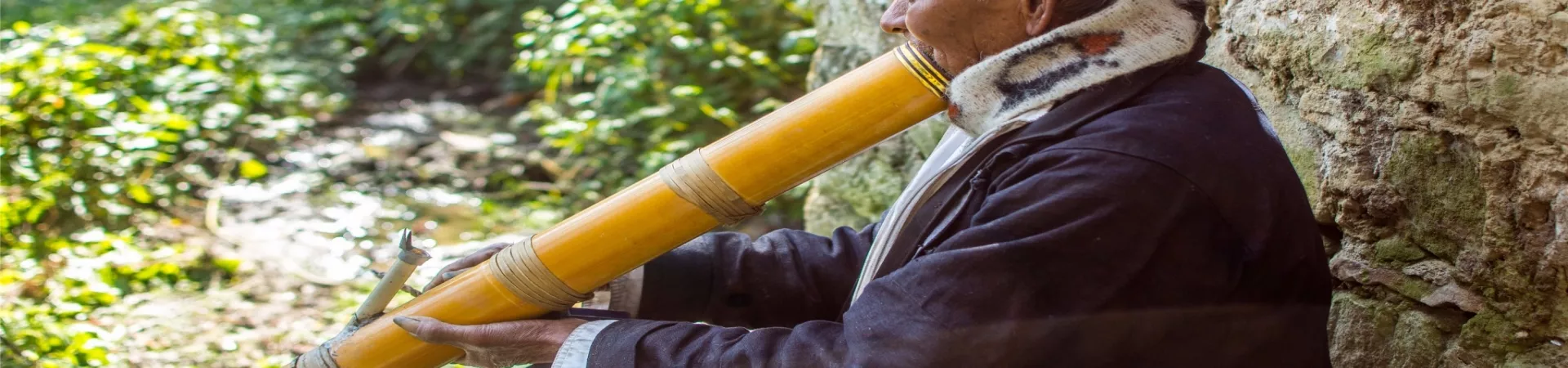
A visit to Qingkou is incomplete without experiencing its vibrant cultural expressions. The village is one of the best places to witness authentic Hani song and dance performances. These performances are often held in the central square or a designated area and are a vibrant display of the community's artistic heritage. Dancers adorned in elaborate, embroidered costumes move to the rhythm of traditional instruments, their songs echoing stories of history, harvests, and love. Key performances may include the spirited "Hand-clapping Dance" and the elegant "Fan Dance." These are not staged shows in a commercial sense but genuine cultural presentations that offer deep insight into the Hani people's worldview, social rituals, and joyous spirit. Engaging with these performances transforms a sightseeing trip into a meaningful cultural encounter.
4. Practical Visitor Information
4.1. Transportation: How to Get There Reaching Qingkou requires a journey to Yuanyang first, which is part of the adventure. The primary gateway is from Kunming, the provincial capital.
By Long-Distance Bus:
- From Kunming South Bus Station, direct buses to Yuanyang depart at 10:20, 12:30, and 19:00 daily. The fare is approximately 139 RMB per person, and the journey takes 5-6 hours.
- Many buses from Kunming South Station are destined for Nansha Town, the new county seat. From Nansha, frequent minivans (about 10 RMB per person, operating from 7:00 to 20:00) make the scenic trip up the mountain to Xinjie Town (the old county seat, closer to the terraces). From Xinjie, you can find minibuses to the scenic area gate and between various viewing points, including Qingkou, with fares ranging from 5 to 10 RMB.
- Alternative routes involve taking a bus from Kunming to Jianshui or Gejiu, both beautiful cities worth visiting, and then transferring to a local bus to Yuanyang.
Local Transport to Qingkou: Once in the Yuanyang area (typically in Xinjie Town), you can hire a local minivan or shared taxi to Qingkou Village. The short trip costs around 5 RMB per person.
By Chartered Car: For greater flexibility, especially for visiting multiple terrace viewpoints, chartering a car for the day from Xinjie Town is a popular option. Approximate rates are:
- Full-day tour of the main terrace areas: Around 300 RMB.
- Trip to Tiger Mouth (Laohuzui) terrace: About 100 RMB.
- Half-day morning tour to Duoyishu for sunrise: Between 150 to 200 RMB.
4.2. Admission and Opening Hours * Ticket: Admission details for Qingkou Folk Village can vary. It is often included in a broader ticket for the Yuanyang Rice Terraces scenic area. For the most accurate and current pricing, it is advisable to check directly with the scenic area administration upon arrival or consult your hotel. * Opening Hours: The village is accessible 24 hours a day, every day of the year. However, the museum and scheduled cultural performances will have specific operating hours, typically during daylight hours. The terraces themselves are stunning at dawn and dusk, so planning your visit to coincide with these times is highly recommended, though exploring the village paths can be done at any time.