Jianshui Yanzi Cave
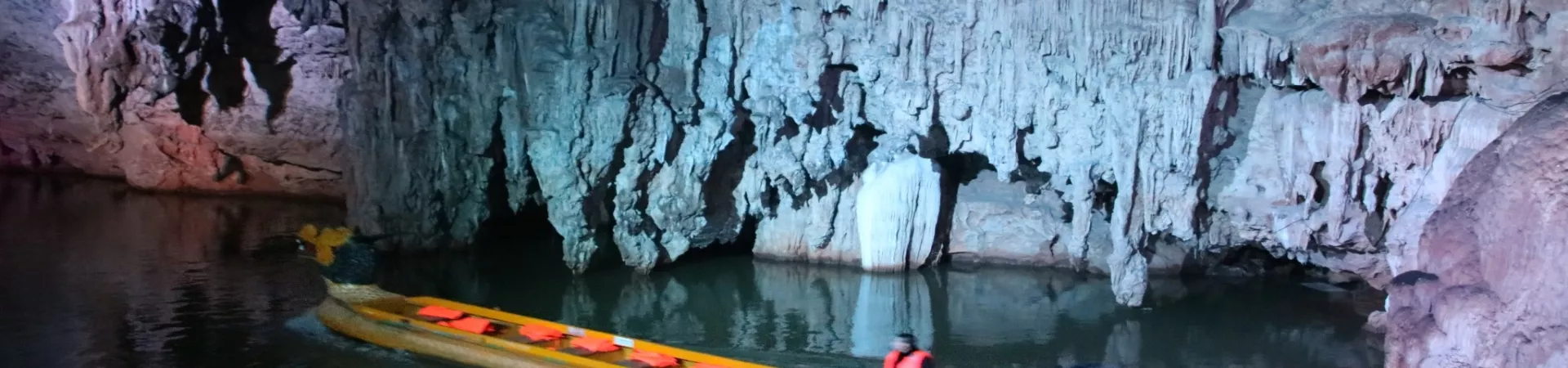
Subtitle: A Journey into the Subterranean Wonder of Yunnan
1. Introduction: The "First Cave of Asia" Nestled in the heart of Honghe Prefecture, near the ancient town of Jianshui in Yunnan Province, lies the Jianshui Swallow Cave (建水燕子洞). Recognized as a National Scenic Area and a top-tier AAAA-rated tourist attraction, this magnificent karst cave system has earned the lofty praise of speleologists from China and abroad, who frequently hail it as the "First Cave of Asia." It is a destination where geological majesty, thriving ecosystems, and profound human cultural practices converge to create an experience that is both awe-inspiring and unique.
2. The Five Unique Wonders of the Cave The fame of Jianshui Swallow Cave rests firmly on five distinctive and captivating features that set it apart from other caverns.
2.1. Ancient Cave Spectacle The cave itself is a masterpiece of nature's slow artistry. Over millennia, water has sculpted a breathtaking underground world filled with colossal chambers, intricate passageways, and a stunning array of speleothems. Visitors are greeted by forests of stalactites and stalagmites in fantastical shapes, stone curtains flowing like frozen waterfalls, and pristine pools reflecting the hidden beauty above. Each turn reveals a new scene, seemingly from a mythical realm.
2.2. Spring Swarm of Swallows The cave derives its name from its most dynamic residents: millions of White-rumped Swiftlets (Aerodramus fuciphagus). From March to August annually, these birds swarm in and out of the cave's watery entrance, filling the air with their constant, echoing chirps. Their synchronized flight against the cavern mouth is a mesmerizing sight, and their collective murmurs blend with the sound of flowing water inside, creating a natural symphony that resonates through the mountain.
2.3. Cliffside Inscriptions (Moya Shike) Human interaction with this natural wonder dates back centuries. The cave's旱洞 (Dry Cave) section, part of the religious cultural area, features numerous "moya shike" or inscriptions carved directly into the cliff faces. These inscriptions, left by poets, scholars, and travelers through dynasties like the Ming and Qing, add a layer of historical and literary depth, transforming the rock walls into pages of a stone chronicle.
2.4. Stalactite-Hung Plaques One of the most peculiar and awe-inspiring cultural traditions is the hanging of inscribed wooden plaques from the tallest, most precarious stalactites on the cave ceiling. These plaques, bearing auspicious phrases or prayers, are placed there by local experts using astonishing techniques that have been passed down for generations. Seeing these cultural artifacts dangling dozens of meters above the ground amidst natural formations is a testament to the daring human spirit.
2.5. The Acrobatic Art of Bird's Nest Harvesting Directly related to the swiftlets is the ancient, high-risk practice of harvesting their edible nests, a prized delicacy. Skilled local gatherers scale towering, unstable bamboo poles without any modern safety gear, navigating the cave's dark, wet, and uneven heights to collect the nests. This demonstration of breathtaking skill and courage, often performed for visitors, is not just a show but a living cultural heritage.
3. Exploring the Three Districts of the Scenic Area The tourist zone is systematically divided into three main sections, offering varied experiences.
3.1. Natural Forest Area The approach to the cave is through a protected area of natural woodland. This serene green belt serves as a gentle prelude, allowing visitors to transition from the outside world into the realm of natural wonder, with the sounds of birds and rustling leaves setting the stage.
3.2. Dry Cave Religious Cultural District This section comprises the旱洞, a vast, dry cavern that has been a site of spiritual significance for centuries. It houses temples, shrines, and the aforementioned cliff inscriptions. The atmosphere here is one of tranquil reverence, where cultural relics and religious artifacts coexist with impressive natural rock formations.
3.3. The Water Cave This is the heart of the Swallow Cave experience. Accessed by boat, the water cave is a navigable underground river. The journey on its tranquil, reflective waters provides unparalleled views of the cave's most spectacular formations from a unique vantage point. It is also the primary highway for the swiftlets and the stage for the bird's nest harvesting demonstrations, combining natural beauty with dramatic cultural performance.
4. Essential Visitor Information
4.1. Ticket Information * General Admission: 55 RMB. * Concession Ticket (28 RMB): Applies to: * Children with height between 1.2 meters (exclusive) and 1.4 meters (inclusive). * Minors aged 6 (exclusive) to 18 (inclusive) years old (with ID). * Seniors aged 60 (inclusive) to 70 (exclusive) years old (with ID). * Full-time undergraduate students and below with valid student ID. * Other groups as stipulated by relevant laws and policies. * Operating Hours: 09:00 - 17:00 daily (last entry at 17:00).
4.2. Transportation The most direct way to reach the cave from Jianshui is by taking the dedicated Swallow Cave Scenic Area shuttle bus from the Jianshui Passenger Bus Station. These buses typically depart on the hour. A important note for peak travel periods (e.g., national holidays): departure times may become flexible based on passenger load, and buses may leave once full rather than strictly on schedule.
4.3. Suggested Visit Duration To fully appreciate the forest walk, explore both the dry and water caves, and witness cultural demonstrations, a minimum of 3 hours is recommended. Visitors with a keen interest in photography, geology, or cultural history may wish to allocate more time.
4.4. Contact For the latest information, visitors can contact the scenic area at: 0873-7821068 or 0873-7821298.