Jianshui Ancient City
Subtitle: A Journey Through Time in Yunnan's Ancient City
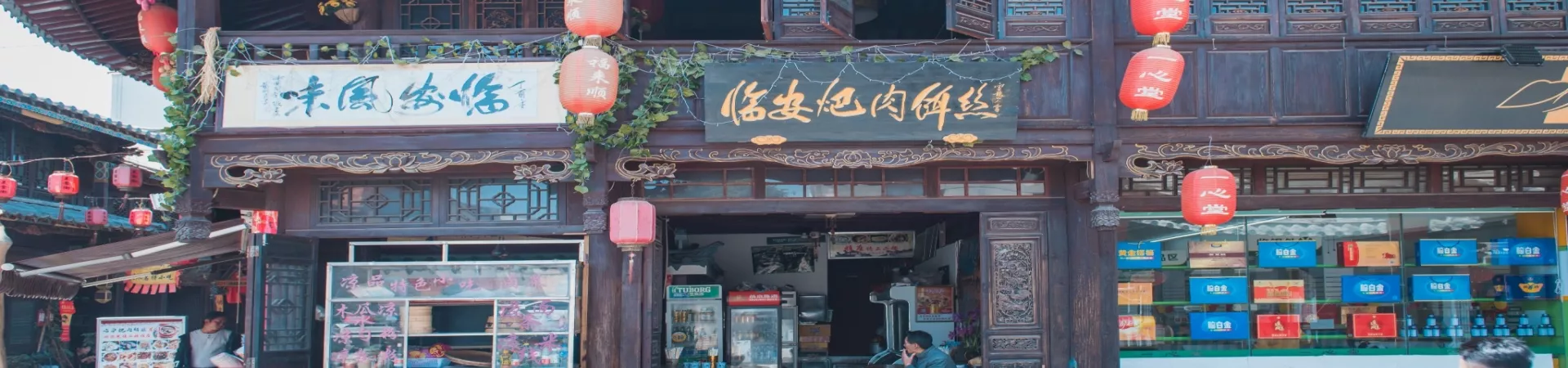
1. Introduction: The Living Museum of Southern Yunnan Nestled on the northern bank of the Red River in southern Yunnan, the ancient city of Jianshui, historically known as Lin'an, offers a profound escape into China's rich cultural past. Founded during the Tang Dynasty over 1,200 years ago, this remarkably preserved enclave is far more than a static relic; it is a vibrant, living community where history breathes in the cobblestone streets and behind the ornate gates of its traditional homes. Often celebrated as a "Museum of Ancient Architecture" and a "Museum of Residential Housing," Jianshui boasts a stunning collection of more than fifty exquisitely maintained historical structures. For the discerning traveler, a visit here is not merely sightseeing but an immersive journey into the architectural grandeur and daily rhythms of a bygone era, seamlessly woven into the present.
2. Exploring the Ancient Heart: Layout and Key Attractions 2.1. The Compact, Walkable Layout Contrary to sprawling imperial capitals, Jianshui Ancient City charms with its intimate and accessible scale. Its historic core is conveniently organized around several key streets, with Lin'an Road serving as the central artery. This layout makes exploration on foot both effortless and rewarding, allowing visitors to meander from grand monuments to hidden alleyways without the need for complex navigation.
2.2. Crown Jewels: The Confucian Temple and Zhu Family Garden Two sites stand out as the undisputed highlights of any visit to Jianshui.
- Jianshui Confucian Temple (Wenmiao): As one of the largest and most significant Confucian temples in China, second only to the one in Qufu, Shandong, this vast complex is a testament to the deep scholarly traditions of the region. Its serene lakes, grand halls like the Dacheng Hall, and tranquil courtyards offer a space for reflection and awe. It represents the philosophical and educational heart of ancient Jianshui.
- Zhu Family Garden (Zhujia Huayuan): This magnificent residential complex provides a breathtaking glimpse into the luxurious lifestyle of a prosperous late-Qing dynasty merchant family. Encompassing over 50 courtyards and 214 classic rooms, it is a masterpiece of Qing residential architecture, featuring intricate woodcarvings, elegant gardens, pavilions, and opulent reception halls. Wandering its labyrinthine passages feels like stepping onto the set of a historical drama.
2.3. Beyond the Icons: Hidden Architectural Treasures While the temple and the Zhu Garden are essential, the true magic of Jianshui lies in its wealth of other ancient structures. Scattered throughout the city are numerous well-preserved traditional courtyard homes (siheyuan), ancient wells, old city gates, and venerable temples. Taking time to explore side streets and lesser-known compounds often leads to delightful discoveries, offering a more personal and crowd-free experience of the city's architectural heritage.
3. Practical Information for Your Visit 3.1. Getting There and Away Jianshui's location in southern Yunnan is well-connected. * By Train: The Jianshui Railway Station is located approximately 10 kilometers north of the ancient city. High-speed rail services connect Jianshui with Kunming, making it a convenient 2-3 hour journey. * By Bus: Long-distance buses from Kunming South Bus Station arrive at Jianshui Bus Station, which is about 2.4 kilometers from the ancient city. From there, local public bus routes, such as Bus No. 4, can take you to the vicinity of the old town (e.g., Hongyun Bus Stop), followed by a short walk.
3.2. Admission and Opening Hours * General Access: Entrance to the ancient city district itself is free, allowing for unrestricted exploration of its streets and public spaces. * Individual Sites: Please note that major attractions within the ancient city, such as the Confucian Temple and the Zhu Family Garden, charge separate admission fees. Their opening hours are typically during daylight hours. * Open Area: The public streets and lanes of the ancient city are accessible 24 hours a day, year-round.
3.3. Where to Stay: From Budget to Boutique Accommodation options in and around the ancient city cater to a range of preferences and budgets. Numerous affordable hotels and guesthouses (kezhan) offer comfortable lodging. For a truly unique and immersive experience, consider staying in a restored traditional courtyard inn within the old town. The ultimate heritage stay can be found at the Zhu Family Garden, which operates a boutique hotel within part of its complex, allowing guests to sleep within the historic walls—an experience that comes with a premium price tag.
4. The Taste of Jianshui: A Culinary Ritual No visit to Jianshui is complete without participating in its most iconic culinary tradition: eating Grilled Tofu (shaodoufu). This is more than a snack; it's a social ritual. Across the city, especially in the evening, you will find small, lively gatherings around charcoal braziers. Patrons sit on tiny stools, watching as square cubes of tofu are grilled to a golden crisp on a wire rack over hot coals. The tofu is typically dipped in a flavorful, often spicy, dry mix or sauce. Joining a circle offers a delicious taste of local flavor and a wonderful opportunity to engage with the friendly residents, encapsulating the warm, communal spirit of Jianshui.
Information last updated: September 13, 2023. For further assistance, the local tourism inquiry line is 0873-7807366. A thorough exploration of the ancient city's core sights typically requires a full day.