Cultural Landscape of Duoyishu Rice Terraces
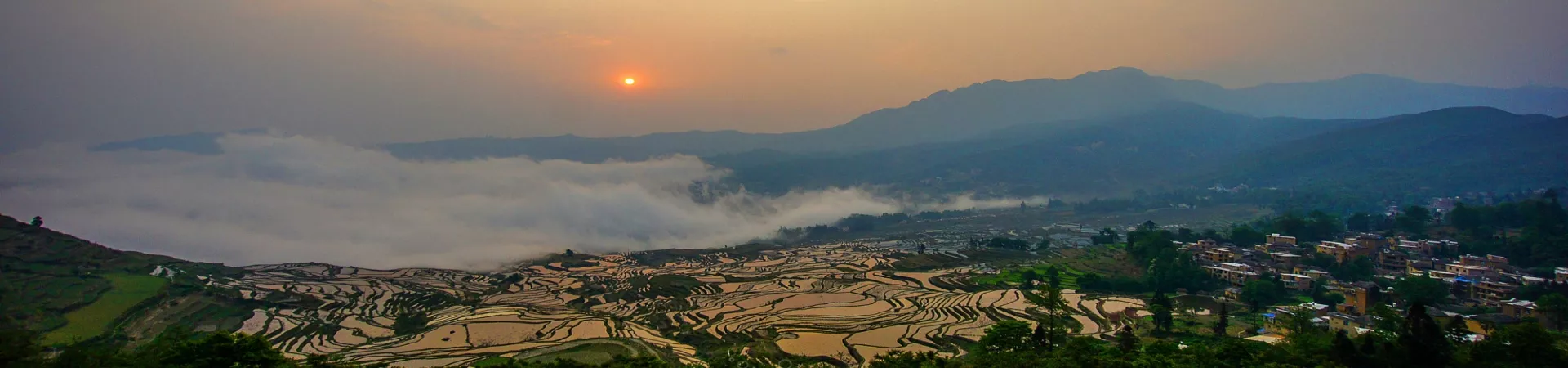
Subtitle: A Canvas of Light and Mist: Unveiling the Ethereal Beauty of Duoyishu's Terraced Fields
1. Introduction: The Crown Jewel of Yuanyang's Landscape
Nestled within the Honghe Hani Rice Terraces, a UNESCO World Heritage Site in Yunnan Province, China, lies the Duoyishu Scenic Area. This region, encompassing the terraced fields around Duoyishu, Aichun, and Dawazhe villages, represents one of the most spectacular and iconic agricultural landscapes on earth. Stretching across thousands of contiguous acres, these terraces are not merely farmland; they are a breathtaking masterpiece of human ingenuity and natural harmony, meticulously carved into the contours of the Ailao Mountains over 1,300 years by the Hani people. While the entire Yuanyang terrace system is awe-inspiring, Duoyishu holds a singular, almost mythical status, particularly revered as the quintessential stage for nature's most dramatic daily performance: the sunrise.
2. The Mesmerizing Spectacle: Sunrise Over a Liquid Mirror
2.1. The Photographer's Paradise For photographers and artists from around the globe, the name Duoyishu is synonymous with the perfect shot. It is the most frequently captured and instantly recognizable vista in the entire Yuanyang portfolio. The reason lies in its unique topography and orientation. The vast, layered terraces here face directly east, creating an enormous, staggered amphitheater perfectly positioned to catch the first golden rays of the sun.
2.2. A Symphony of Color and Light The experience of a Duoyishu sunrise transcends ordinary sightseeing. As dawn approaches, the sky transitions through a palette of deep indigo, soft violet, and fiery orange. The meticulously maintained terraces, filled with water during the planting season (approximately December to March), transform into a colossal, fragmented mirror. This is when the magic unfolds. The changing colors of the sky are not just reflected but actively painted onto this liquid canvas. The water surfaces shimmer with shifting hues—from sapphire blue and emerald green to brilliant gold and rosy pink—creating a dynamic, living artwork. The play of light and shadow across the countless curved lines of the terraces adds profound depth and texture, making the landscape appear as an immense, natural woodblock print or an abstract painting of breathtaking scale.
3. An Ethereal Atmosphere: Mist, Villages, and Timeless Beauty
3.1. The Enchanting Veil of Mist The visual drama of Duoyishu is often amplified by the weather conditions common to these high-altitude slopes. Frequently, especially in the early morning, ethereal mists and clouds drift through the valleys, weaving between the terraced levels. This mist acts as a natural diffuser, softening the sunlight and creating layers of mystery within the scene. Ridges and distant terraces fade in and out of view, enhancing the sense of depth and vastness.
3.2. The Poetic Harmony of Village Life Amidst this dreamlike panorama, the Hani village of Duoyishu itself becomes an integral part of the composition. Perched on the slopes, its traditional mushroom-shaped houses (called yuansheng tai) with thatched roofs subtly emerge from the rolling mist. The sight of these ancient dwellings, seemingly floating above the glowing terraces, completes the otherworldly scene. The quiet, timeless presence of the village, coupled with the silent, radiant transformation of the fields, evokes a powerful sense of tranquility and connection to a slower, more rhythmic way of life. It is this combination—the dramatic interplay of light on water, the soft embrace of the clouds, and the humble human settlement—that truly fosters the feeling of having stepped into a serene, almost celestial,仙境 (xiānjìng - fairyland).
4. Practical Information for Visitors
To fully immerse yourself in the beauty of Duoyishu, careful planning is essential. The following details will help you organize your visit.
4.1. Location and Scope The Duoyishu Scenic Area is located in Yuanyang County, Honghe Hani and Yi Autonomous Prefecture, Yunnan. It forms a core part of the Honghe Hani Rice Terraces UNESCO site. The viewing platforms specifically for Duoyishu sunrise are easily accessible by road from the main tourist towns like Xinjie.
4.2. Admission and Operating Hours * Ticket Price: An admission fee is required to access the designated viewing platforms. * Standard Adult Ticket: 70 RMB. * Concession Ticket (e.g., for students, seniors): 35 RMB. * Prices are subject to change; verification on-site is recommended. * Opening Hours for Viewing Platforms: The primary viewing area is open from 6:00 AM to 6:00 PM daily. For the sunrise, arrival well before the scheduled sunrise time (which varies by season) is crucial to secure a good vantage point.
4.3. Recommended Visit Duration and Tips * Time Reference: A dedicated visit to Duoyishu for the sunrise experience typically requires a half-day. Most visitors arrive in the pre-dawn darkness and stay for 2-3 hours after sunrise to witness the full evolution of light. It can comfortably be combined with visits to other nearby terrace areas like Bada or Laohuzui in a single day. * Essential Tips: 1. Timing is Everything: The optimal viewing period is during the water-filled season, from late December through March. Clear or partly cloudy days offer the best sunrise spectacle. 2. Prepare for the Elements: Mornings at high altitude are extremely cold, even in Yunnan. Wear layered, warm clothing, gloves, and a hat. Sturdy shoes are recommended. 3. Photography Advice: A tripod is indispensable for long-exposure shots in low light. Wide-angle lenses capture the expanse, while telephoto lenses can isolate beautiful details in the terraces and village. 4. Contact Information: For the latest information, you may contact the scenic area management at 0873-5768035.
The journey to Duoyishu is a pilgrimage for those seeking profound natural beauty. It is a place where human perseverance has shaped the land into a form that, in turn, captures and magnifies the most sublime performances of the natural world, offering a moment of pure, unforgettable awe.