Aichunlan Terraced Fields
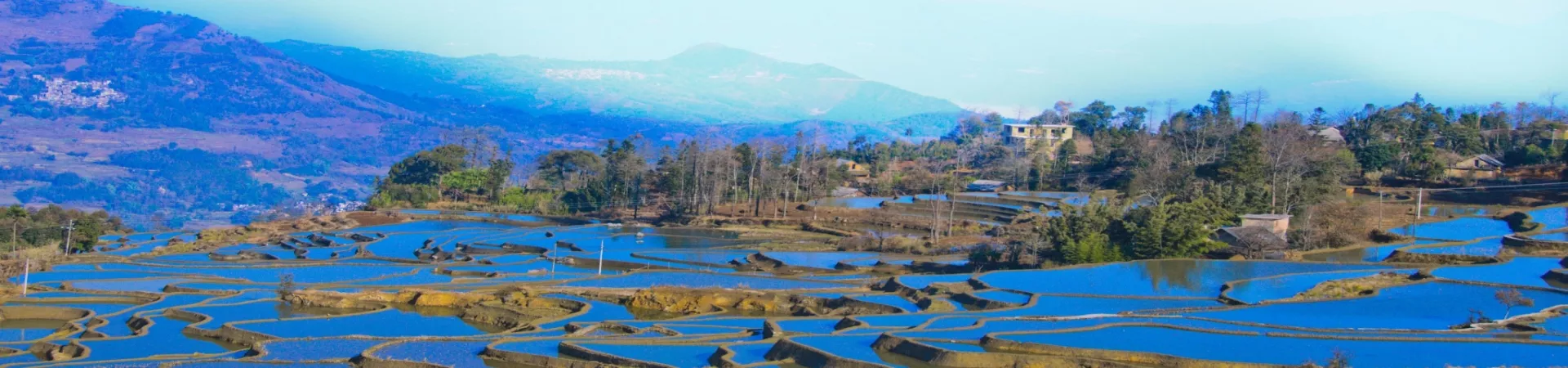
Subtitle: A Journey into the Azure Heart of Yunnan's Highland Canvas
Introduction: Beyond the Iconic Terraces
While the world marvels at the golden hues of Yuanyang's rice terraces, a more elusive and poetically named wonder lies nestled within the same magnificent landscape of Honghe Hani Rice Terraces, a UNESCO World Heritage Site. This is Aichun Blue Terraces, a phenomenon where the sky itself seems to have melted and settled into the stepped paddies, creating a breathtaking canvas of surreal azure and sapphire reflections. It is not merely a scenic spot but a sublime interplay of nature, human ingenuity, and celestial mirroring, offering a profoundly different and tranquil experience compared to its more famous counterparts.
1. The Alchemy of the Azure: Understanding the Phenomenon
The existence of the "blue" terraces is a seasonal and conditional masterpiece, a visual magic trick performed by the confluence of several precise factors.
1.1. The Critical Timing: A Seasonal Spectacle The iconic blue spectacle is predominantly a winter and early spring event, typically from December to March. During this period, the terraces are flooded with water for field maintenance and preparation for the upcoming planting season. The absence of green rice shoots turns the paddies into vast, placid mirrors.
1.2. The Sky's Palette: The Role of Weather and Light The intensity of the blue is directly dictated by the sky above. The most vibrant, deep azure reflections occur on days of impeccably clear, deep blue skies. A bright, sunny day transforms the terraces into a mosaic of brilliant cobalt and cerulean. While overcast days still produce beautiful, silvery mirror effects, the dramatic sapphire tones are most potent under the sun. The quality of light is paramount, making sunrise and sunset not just golden hours, but also periods of shifting blue hues.
1.3. The Human Element: The Hani Water System This spectacle rests upon the foundational genius of the Hani people—their centuries-old, forest-based integrated farming and water management system. The meticulously maintained terraces and canals ensure an even, shallow layer of clean water across vast areas. This engineering marvel, designed for agriculture, inadvertently creates the perfect, smooth surface to capture the heavens.
2. Planning Your Visit: A Practical Guide
To witness Aichun's transformation into a blue labyrinth requires thoughtful planning aligned with its natural rhythms.
2.1. Optimal Visiting Periods * Peak Season for Blue Views: Aim for January to February. The fields are fully flooded, the skies in Yunnan's dry season are often piercingly clear, and the chance of experiencing the strongest blue effect is highest. * Shoulder Seasons: Late December and March can also be excellent, though water levels may vary. * Other Seasons: From April onward, as rice planting begins, the terraces gradually turn green, then golden, offering stunning but different landscapes. The "blue" effect effectively disappears.
2.2. Key Viewpoints and Locations The Aichun area comprises several villages and terraced clusters. Specific viewpoints known for their expansive, unobstructed vistas are ideal for photography and contemplation. Local guides or drivers are invaluable for navigating the mountainous roads to these optimal spots, which may have minimal signage.
2.3. Essential Visitor Information * Opening Hours: The general access to the Aichun terrace area is from 8:00 AM to 7:30 PM daily, with last entry typically at 7:30 PM. These hours are designed to coincide with daylight viewing. * Ticketing: Access usually requires the general Yuanyang Hani Rice Terraces scenic area ticket, which covers multiple sites including Aichun. Always verify the latest policy at your point of entry or with your accommodation. * Best Time of Day: Sunrise is arguably the most magical moment. As the sun illuminates the sky, the terraces transition from dark mirrors to sheets of glowing blue. Late afternoon until sunset also offers beautiful, soft light and long shadows that accentuate the terraces' curves.
3. The Deeper Experience: Cultural and Aesthetic Immersion
Visiting Aichun is an opportunity to engage with the landscape on multiple levels.
3.1. Photography Tips for the Blue Canvas * Use a Polarizing Filter: This is crucial. It helps manage reflections on the water surface, enhances the blue of the sky, and increases color saturation, dramatically intensifying the scene. * Seek Elevation and Composition: Shoot from higher vantage points to capture the sweeping, geometric patterns. Include elements like a lone tree, a farmer, or a traditional Hani mushroom house to provide scale and cultural context. * Embrace the Changing Light: Stay and observe. The colors and moods shift from the cool, quiet blues of dawn to the warmer, sharper tones of midday and back to the melancholic blues of twilight.
3.2. Connecting with Hani Culture The terraces are the soul of the Hani people. Recognizing that this beauty is a byproduct of a sustainable, ancient agricultural practice adds profound depth to the visit. The nearby villages, with their distinctive thatched-roof houses, are living museums. Respectful observation of daily life—farmers tending to fields, women in traditional dress—completes the picture.
3.3. Responsible Tourism Practices * Stay on designated paths and viewing platforms to avoid damaging the delicate paddy ridges. * Do not litter. Preserving the water quality is essential for both the scenery and the farming. * Be mindful and respectful when photographing local residents; always ask for permission.
4. Logistics and Travel Considerations
4.1. Getting There and Around * Base Location: The town of Xinjie (also known as Yuanyang) is the main gateway. Aichun is approximately a 30-60 minute drive from here, depending on the specific viewpoint. * Transport: Hiring a private car with a driver for the day is highly recommended. It provides flexibility to chase the light, visit multiple viewpoints, and navigate the winding mountain roads safely. Self-driving is possible but requires confidence on steep, narrow routes. * Accommodation: Staying in Xinjie offers convenience. For a more immersive experience, consider a guesthouse in a smaller Hani village closer to the terraces, allowing for early morning walks to viewpoints.
4.2. What to Bring * Layered Clothing: Mornings and evenings at high altitude are cold, even in winter, while midday can be warm under the sun. * Sturdy Footwear: Expect walking on uneven paths and possibly muddy trails. * Sun Protection: High altitude means strong UV rays—sunscreen, hat, and sunglasses are essential. * Patience and Flexibility: Weather in the mountains can change rapidly. The blue terraces are a natural wonder, not a guaranteed show. Embrace the landscape in all its moods, from misty mystery to dazzling clarity.