Xili Tuzhao
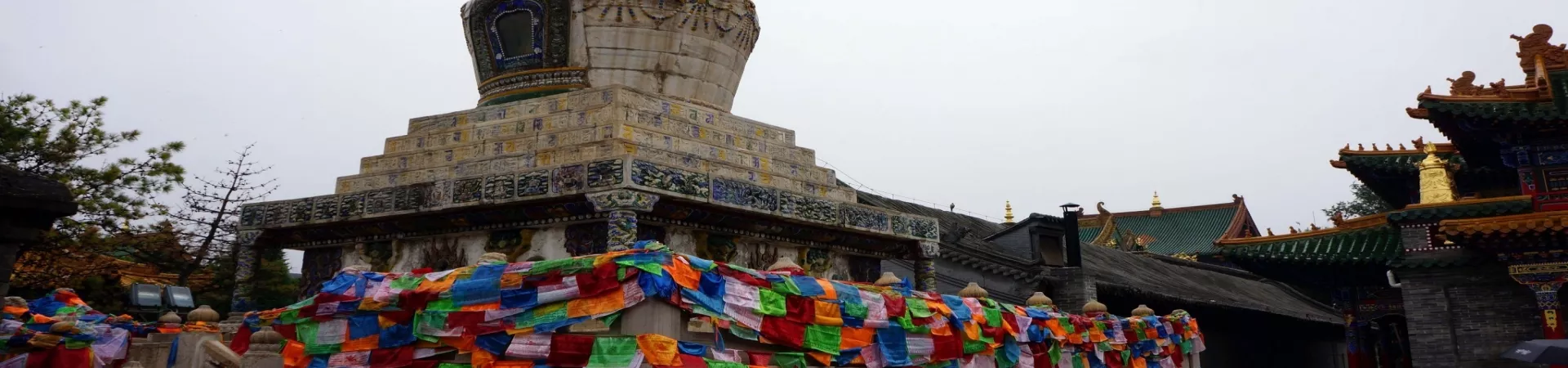
Xilitu Monastery: A Tapestry of History and Spirituality in Hohhot
Nestled in the northern reaches of Hohhot's old city, Xilitu Monastery, known as "Yanshou Temple" in Chinese, stands as a testament to the enduring legacy of Inner Mongolia's religious and architectural heritage. The name "Xilitu" translates to "chief" or "spiritual seat" in Mongolian, reflecting its significance as a hub of religious activity and cultural prominence.
Historical Roots:
Xilitu Monastery, also named Yanshou Temple by Kangxi Emperor, traces its origins back to the year 1585 during the Ming Dynasty. It was established by Senggederen, the son of the Mongolian tribal leader Aletan Khan, to welcome the third Dalai Lama, Sonam Gyatso. This marked the inception of the monastery, which, over the centuries, underwent expansions and renovations during the reigns of Kangxi, Yongzheng, Xianfeng, and Guangxu Emperors.
Architectural Grandeur:
The architectural ensemble of Xilitu Monastery exemplifies a unique blend of Central Plains design and traditional Mongolian elements. Despite enduring four centuries of storms and upheavals, the monastery's structures have retained their integrity. The layout adheres to the central axis principle, extending from the mountain gate to the main hall. Symmetrically arranged side halls, warehouses, stele pavilions, and bell and drum towers flank both sides.
The main hall, where the grandeur unfolds, is a testament to the enduring charm of classical Mongolian artistry. Despite the unfortunate destruction of the Buddha hall in a pre-liberation fire, the assembly hall retains its original layout. It spans nine bays, showcasing a wooden structure with a hipped gable roof covered in vibrant green glazed tiles. The roof's ridge boasts gilded steel stupas, dharmachakra wheels, flying dragons, and auspicious deer, creating a spectacle of artistic finesse.
Cultural Significance:
Xilitu Monastery was historically pivotal in overseeing the Yellow Sect of Tibetan Buddhism in the Hohhot region. The monastery's strategic location and cultural influence made it a spiritual and administrative hub, playing a vital role in the religious tapestry of Inner Mongolia.
Visitor Experience:
Contact: For inquiries or further information, please contact Xilitu Monastery at +86 13848618234.
Entrance Fee: Admission is priced at 30 yuan per person.
Operating Hours: Xilitu Monastery welcomes visitors daily from 08:00 to 18:00 during the summer months (June 1st to August 31st) and from 09:00 to 17:00 during the winter months (December 1st to February 28th).
Conclusion:
Embark on a journey through time and spirituality as you explore the hallowed halls and serene courtyards of Xilitu Monastery. With its rich history, architectural splendor, and cultural significance, this sacred site beckons travelers to immerse themselves in the soul-stirring ambiance of Inner Mongolia's religious heritage. Xilitu Monastery stands as a living testament to the enduring spiritual legacy woven into the fabric of Hohhot's ancient landscapes.