Zhao Wanghe Park
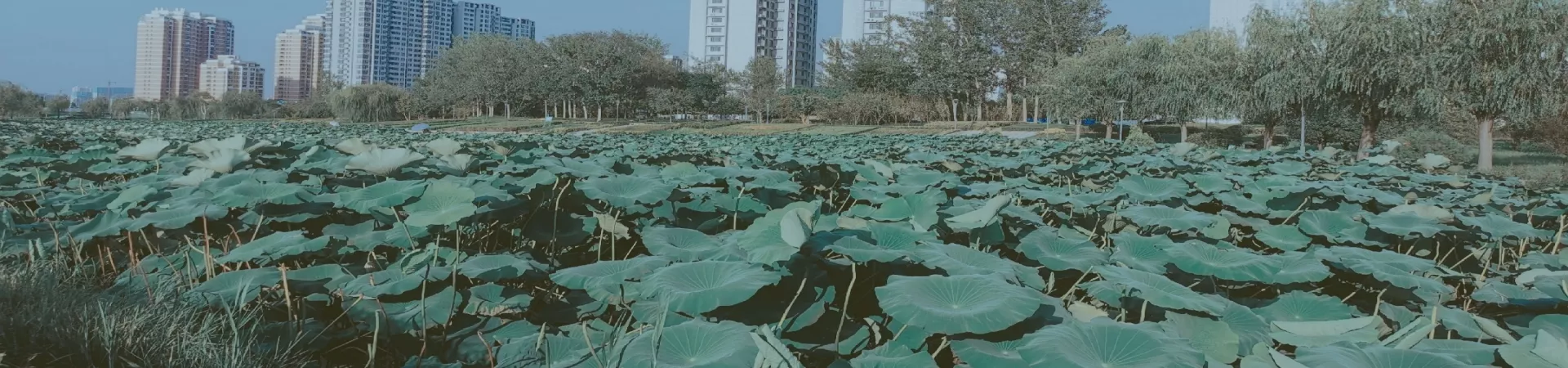
Subtitle: A Riverside Oasis of History, Culture, and Natural Beauty in Heze City
1. Introduction: The City's Green Pulse Nestled in the heart of Heze City, Shandong Province, Zhaowanghe Park (King Zhao River Park) stands as far more than a typical urban green space. It is the ecological and cultural lifeline of the city, a meticulously crafted ribbon of nature that intertwines the area's rich historical legacy with modern recreational aspirations. The park stretches along the banks of the Zhaowang River, a waterway whose name echoes with the tales of ancient kings, transforming what was once a simple flood control channel into a vibrant, multi-faceted destination. For visitors, it offers a serene escape from the urban bustle, a place to immerse in lush landscapes, delve into local culture, and engage in a variety of leisure activities, all within a beautifully harmonized environment.
2. Historical and Cultural Tapestry 2.1. The Legacy of the Name The park's identity is deeply rooted in history. The name "Zhaowanghe" (King Zhao River) is intrinsically linked to King Zhao of the Warring States period Chu state, who, according to historical records and local lore, led expeditions to this region. The river itself is said to have been a strategic watercourse during his campaigns. This historical connection provides a profound cultural bedrock for the park, inviting visitors to ponder the ancient stories that shaped the land.
2.2. Integration of Cultural Elements Throughout the park, this historical theme is subtly yet effectively integrated. Architectural features, including bridges, pavilions, and viewing towers, often draw inspiration from classical Chinese garden design and Han-style structures, creating a timeless aesthetic. Sculptures and stone carvings dot the pathways, depicting historical figures, cultural symbols, and scenes from Heze's past, particularly celebrating its fame as the "Peony Capital of China." These elements are not mere decorations; they serve as silent narrators, connecting the tranquil present with a dynamic past.
3. Landscape and Ecological Design 3.1. Thematic Zones and Scenic Vistas The park is masterfully segmented into distinct yet fluid thematic zones, each offering a unique visual and experiential character. Expansive lawns provide open spaces for relaxation and play, while meticulously curated gardens showcase seasonal flora. The Peony Garden is, understandably, a centerpiece during the spring bloom, transforming into a breathtaking sea of color and fragrance. Wooded areas with diverse tree species offer shaded pathways and a habitat for local birds. The careful landscaping creates a series of picturesque "framed views"—where a graceful bridge arches over calm waters, or a traditional pavilion is perfectly reflected in the lake's surface, offering endless opportunities for photography and quiet contemplation.
3.2. The Central Role of Water Water is the defining element of Zhaowanghe Park. The river and its connected lakes form a shimmering blue backbone, enhancing the park's tranquility and beauty. The water bodies are ecologically managed, supporting aquatic plants and fish, which contribute to a healthy ecosystem. A network of well-maintained walking and cycling paths, including scenic boardwalks, runs alongside the water, allowing visitors to enjoy constant proximity to its calming presence. Boat rides are available on certain sections, providing a unique perspective of the park's landscapes from the water itself.
4. Visitor Experience and Amenities 4.1. Recreational Activities for All The park is designed to cater to a wide range of interests and ages. For fitness enthusiasts, there are dedicated jogging tracks, cycling paths, and open areas for tai chi or other exercises. Children can enjoy safe, modern playgrounds. The extensive pathways are universally accessible, encouraging leisurely strolls for couples, families, and seniors alike. Cultural plazas often host community events, public performances, and during the Peony Festival, become hubs of festive activity.
4.2. Amenities and Practical Information To ensure a comfortable visit, the park is equipped with comprehensive amenities. Clean restrooms are available at regular intervals. Signage in Chinese and English provides directional and informational guidance. Rest areas with benches and shaded shelters are plentiful. While dining options within the park may be limited to small kiosks or seasonal tea houses, the park's central location means a variety of restaurants and cafes are just a short walk from its main entrances. The park is open to the public free of charge, embodying its role as a true public space for all to enjoy.
4.3. Seasonal Highlights The character of Zhaowanghe Park changes delightfully with the seasons. Spring is undoubtedly the peak season, when the peonies erupt in a spectacular display, drawing crowds from near and far. Summer offers lush, green canopies and cool breezes off the water, ideal for evening walks. Autumn paints the trees in warm hues of gold and red, creating a romantic atmosphere, while Winter presents a stark, serene beauty, with frost-touched landscapes and quiet solitude. Each season reveals a different facet of the park's charm, making it a year-round destination.
In essence, Zhaowanghe Park successfully fulfills multiple roles: it is an ecological sanctuary, a custodian of local heritage, a social space for the community, and a must-visit attraction for travelers seeking to understand the natural and cultural heartbeat of Heze. Its design demonstrates a thoughtful balance between preservation and recreation, offering a peaceful yet engaging environment where history flows as steadily as its central river.