Gujin Garden
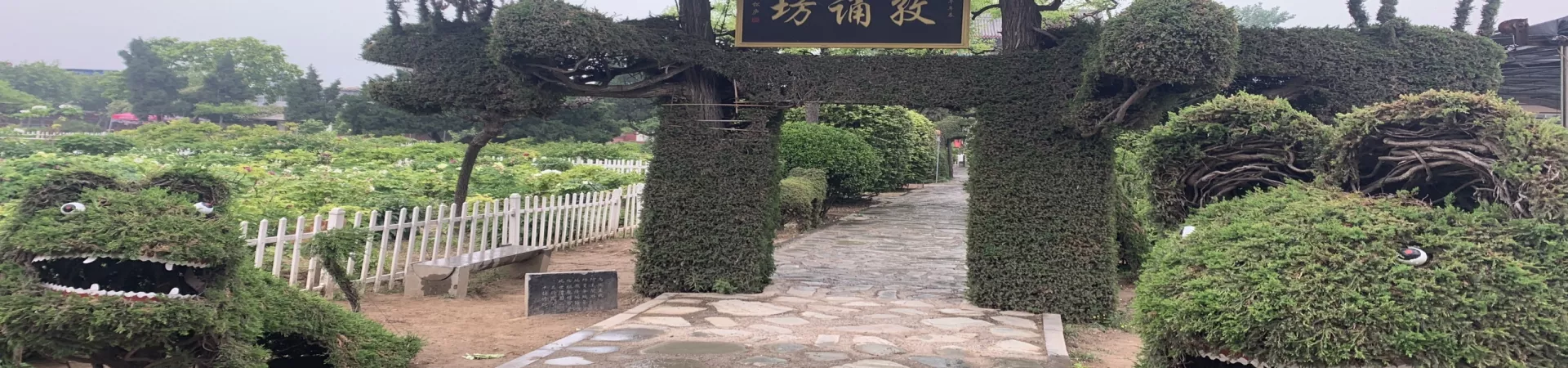
Subtitle: A Living Tapestry of Horticultural History and Artistry in Heze
Introduction: Where Past and Present Blossom
Nestled within the Wanglizhuang area of Mudan District in Heze City, Shandong Province, the Heze Gujin Garden (Ancient & Modern Garden) stands as a profound testament to China's enduring horticultural heritage. This unique botanical space is not merely a collection of plants but a living chronicle, seamlessly weaving centuries-old gardening traditions with vibrant contemporary displays. Its very name, "Gujin" (古今), meaning "ancient and modern," perfectly encapsulates its essence. The garden's origins can be traced back to the "Ten Thousand Flowers Village" garden of the Ming Dynasty, with the modern park formally established in 1958. A significant government-funded reconstruction in 1982 revitalized the grounds, solidifying its status as a premier destination for nature and art lovers. Spanning approximately 8 acres (over 50 Chinese mu), the garden offers a serene and captivating journey through themed landscapes, celebrated for its majestic peonies, rare flora, and most distinctively, its breathtaking sculptural art formed from living trees.
The Crown Jewel: A Symphony of Peonies and Rare Flora
Heze is globally renowned as the "Peony Capital," and the Gujin Garden serves as one of its most exquisite showcases. The garden is home to a stunning collection of over 300 varieties of tree and herbaceous peonies (Mudan). Each spring, typically from mid-April to early May, the estate transforms into a breathtaking sea of color and fragrance. The peonies, with their lush, voluminous blooms in hues of crimson, pink, white, and rare yellow, represent the pinnacle of floral elegance and are deeply embedded in Chinese cultural symbolism, denoting prosperity and peace.
Beyond the peonies, the garden cultivates a diverse array of over a hundred species of flowering shrubs and unusual plants, ensuring year-round interest. Visitors can admire the delicate blossoms of Chinese herbaceous peonies (Shaoyao), the fragrant winter sweet (Lamei) that braves the cold, and the cheerful yellow blooms of the Rosa xanthina (Huangcimei). This carefully curated botanical diversity creates a constantly evolving palette of textures, colors, and scents across the seasons.
The Living Artistry: Masterpieces of Pine and Cypress Weaving
The most extraordinary and defining feature of the Heze Gujin Garden is undoubtedly its "Songbian" or pine and cypress weaving. This is a remarkable traditional folk art practiced by local farmers for generations, where living juniper and cypress trees are meticulously guided, pruned, and woven over decades into intricate, large-scale sculptures.
A Green Menagerie and Architectural Wonders: This living art form has earned the garden the nickname "Green Zoo." Skilled artisans have shaped the pliable branches into astonishingly lifelike forms of lions, tigers, and other animals, all rendered in vibrant, evergreen foliage. Furthermore, the technique has been used to create majestic architectural structures. The most famous of these is the "Zisong Archway," a massive, fully green archway constructed entirely from woven trees. Over 200 years old, this archway is a masterpiece of patience and skill, standing as a breathtaking and serene monument to this unique craft.
Ancient Arboreal Guardians: Complementing the woven sculptures are several venerable ancient trees, each with its own character. A century-old Dragon Claw Locust (Longzhao huai) enthralls visitors with its gnarled, twisting branches that create a dramatic, sculptural silhouette. Another highlight is the nearly 200-year-old Threadleaf Cypress, noted as the only one of its kind in the region north of the Yangtze River, its fine, weeping foliage creating a soft, graceful form.
A Glimpse into Local Heritage: The Village of Wanglizhuang
The existence of the Gujin Garden is intrinsically linked to its location. Wanglizhuang village has a deep-rooted, centuries-old tradition of flower cultivation and ornamental gardening. The garden is a direct continuation of this local passion, preserving and elevating the botanical knowledge and artistic skills honed by the community over hundreds of years. It stands as a living museum of the village's cultural identity, where the local reverence for nature and artistic expression is on full display.
Practical Visitor Information
To facilitate your visit to this unique attraction, here are the essential details:
Transportation: The garden is accessible via public bus. Visitors can take Heze city bus routes 3 or 19, which have stops near the scenic area.
Admission Fees: The standard entrance ticket is priced at 30 RMB. The garden offers several discounts:
- Free Admission: Children under 1 meter in height, individuals with disabilities (upon presentation of a valid disability certificate), and seniors aged 70 and above (with a senior citizen certificate).
- Half-Price Admission: Full-time students (with a valid student ID), active military personnel (with a military ID), and seniors aged between 60 and 69 (with a senior citizen certificate).
Operating Hours: The garden is open daily from 7:30 AM to 7:00 PM. The last admission is at 7:00 PM. These hours are generally consistent throughout the year.
Contact: For any inquiries, you may contact the garden at 0530-5520077.
A visit to the Heze Gujin Garden is more than a stroll through a pretty park; it is an immersive experience into a living art form. It is a place where the patience of nature meets the vision of human hands, where the legendary beauty of the peony shares the stage with the quiet grandeur of ancient, woven pines. It offers a profound sense of tranquility and a unique window into the specialized horticultural heritage of the Heze region.