Heze Caozhou Peony Garden
A Visitor's Guide to Heze Caozhou Peony Garden
Nestled in the heart of Heze City, Shandong Province, the Caozhou Peony Garden stands as a magnificent testament to China's centuries-old admiration for the "King of Flowers." More than just a botanical park, it is the epicenter of Heze's peony culture, a living museum of horticultural artistry, and the undisputed star of the city's renowned International Peony Festival. For any traveler seeking the quintessential peony experience in China, a visit to this expansive garden is an absolute must.
1. The Garden's Legacy and Significance 1.1. Historical Roots in the "Peony Capital" Heze, historically known as Caozhou, has cultivated peonies since the Sui Dynasty, over 1,500 years ago. The city's unique climate and soil conditions have made it the largest peony breeding, research, and export base in the country. The Caozhou Peony Garden, established to showcase this incredible heritage, is built upon the grounds of ancient peony fields, seamlessly blending historical legacy with modern landscape design. It serves as the primary venue for the annual Heze International Peony Festival, a month-long celebration each April that draws millions of visitors from across the globe.
**1.2. A Living Collection of Floyal Treasures**
    The garden's primary mission is conservation and display. It houses over 1,200 peony species and cultivars, encompassing the nine major color series and all ten peony forms recognized internationally. From the classic and revered ancient trees hundreds of years old to exciting new hybrids developed by local experts, the collection is unparalleled in its depth and variety.
2. Planning Your Visit: Practical Information 2.1. Opening Hours and Admission The garden operates daily. The standard opening hours are from 08:00 to 16:30, with last admission at 16:30. It is crucial to note that these times are for the regular day visit. During the peak season of the International Peony Festival (typically throughout April), the garden often extends its hours and may offer special evening viewings. Regarding tickets, the general admission fee is 75 RMB for a full-price ticket. Concessionary half-price tickets (37 RMB) are available for eligible visitors, such as students with valid ID, seniors, and children meeting height/age requirements. It is always advisable to have cash or prepare for mobile payments (like WeChat Pay or Alipay) on site, and to verify the latest pricing at the ticket office upon arrival.
**2.2. Location and Contact Details**
    The Caozhou Peony Garden is situated in the Mudan District of Heze City. For precise navigation, using a digital map app like Amap or Baidu Maps with the Chinese name "菏泽曹州牡丹园" is highly recommended. Should you require assistance prior to your visit, the garden's administrative offices can be reached at 0530-5640177 or 0530-5640188.
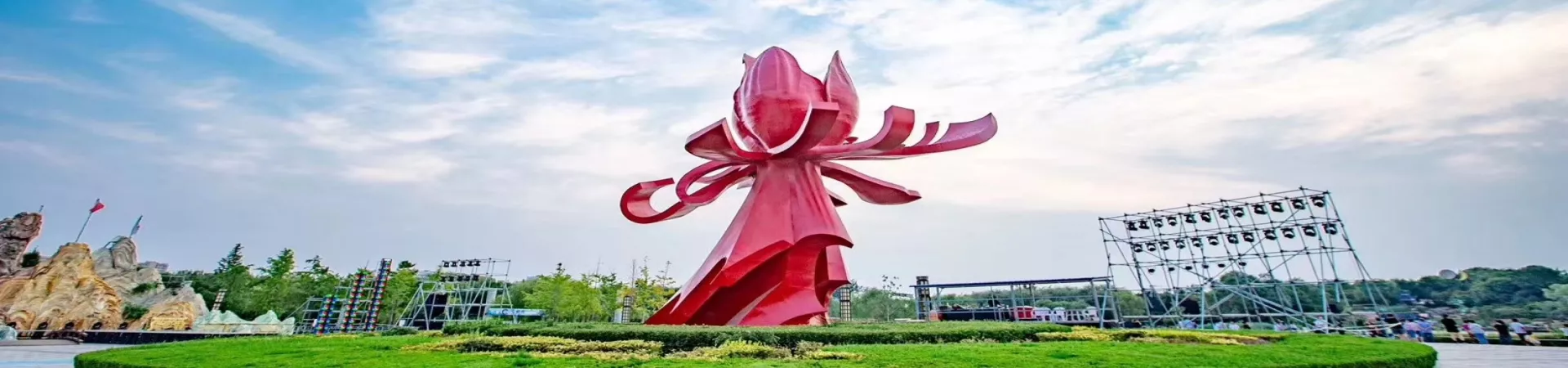
3. Exploring the Garden's Layout and Highlights 3.1. Thematic Areas and Seasonal Blooms The garden is thoughtfully divided into several themed sections, each offering a distinct experience. The Peony Cultivation Area is the core, with vast fields organized by peony type and color, creating breathtaking seas of bloom in spring. The Antique Peony Zone protects magnificent centuries-old plants, their gnarled trunks supporting clouds of lush flowers, whispering stories of the past. The Greenhouse Exhibition allows for controlled blooming, enabling visitors to enjoy peonies even outside the natural spring season. Additionally, scenic spots like the Viewing Pavilion and Peony Legend Sculpture Park provide perfect backdrops for photography and moments of reflection.
**3.2. Beyond Peonies: Year-Round Appeal**
    While peonies are the undisputed stars, the garden's designers have ensured year-round interest. **The Peony Season (Mid-April to Early May)** is, of course, the spectacular highlight when over a million peonies erupt in synchronized bloom. In **summer**, lush greenery, lotus ponds, and shaded pathways offer a cool retreat. **Autumn** brings the subtle beauty of changing leaves and the fragrance of osmanthus, while **winter** presents a stark, elegant landscape, sometimes dusted with snow, highlighting the sculptural forms of the ancient peonies.
4. Enhancing the Visitor Experience 4.1. Cultural Immersion and Activities A visit here is more than a walk in a park; it's a cultural immersion. During the festival, the garden buzzes with activities: traditional music and dance performances, peony painting and calligraphy exhibitions, photography contests, and even peony-themed culinary events. Visiting during this time offers a full sensory and cultural feast. Throughout the year, informational signboards (often bilingual) educate visitors on peony botany, history, and symbolism in Chinese art and literature.
**4.2. Tips for an Enjoyable Trip**
    To make the most of your visit, consider these tips: **Wear comfortable walking shoes** as the garden spans a large area. **Spring weather can be variable**, so dressing in layers is wise. Mornings on weekdays are generally less crowded than weekends or holidays. **Don't forget your camera or smartphone**—the photo opportunities are endless. While there are refreshment kiosks inside, carrying a bottle of water is recommended. Lastly, embrace the pace; this is a place to wander, admire, and soak in the profound beauty that has inspired Chinese poets and painters for generations.
Information last verified: September 2023. Credits and thanks to contributors for updates.