Sujiawei
Subtitle: A Journey Through Time: Discovering the Historic Hakka Village of Sujiawei
Introduction: The Picture-Perfect Village of South China Nestled within Yihé Town of Dongyuan County, approximately 26 kilometers from the downtown area of Heyuan City in Guangdong Province, lies Sujiawei, a village often hailed as the "Picture-Perfect Village of South China." This title is no mere poetic flourish; it is a direct reflection of the stunning natural canvas upon which the village is set. The serene convergence of the Dong River and the Jiushe River to the south cradles the community, creating a landscape enveloped by gentle hills and vibrant greenery. The air is fresh, the scenery is tranquil, and the environment is exceptionally well-preserved, offering a visual respite that feels plucked from an ancient Chinese painting. However, Sujiawei's allure extends far beyond its physical beauty. It is a living museum, a profound cultural repository where history, architecture, and lineage intertwine. It stands proudly not only as a "Guangdong's Most Beautiful Village" but also as a protected cultural heritage site under the designation of "Ancient Village Cultural Heritage of Guangdong Province." A visit here is a dual journey: one into the idyllic countryside of southern China, and another, more profound, into over seven centuries of history embodied by the Su family and the enduring Hakka culture.
The Historical Legacy: Descendants of a Literary Giant The soul of Sujiawei is inextricably linked to one of China's most celebrated historical figures: Su Dongpo (also known as Su Shi), the iconic poet, writer, calligrapher, and statesman of the Song Dynasty. Sujiawei is uniquely distinguished as a settlement founded and inhabited by the descendants of Su Dongpo. This lineage infuses the village with a deep sense of scholarly heritage and cultural prestige. The migration story of its founders is a classic chapter in the larger saga of the Hakka people. Fleeing from warfare and famine in the Central Plains (the traditional heartland of Chinese civilization in the north), these ancestors embarked on a southward exodus. They carried with them more than just their belongings; they brought advanced agricultural techniques, Confucian values, and a resilient cultural identity. Settling in this remote, mountainous region of Guangdong, they preserved and adapted their traditions, with Sujiawei emerging as a testament to their perseverance and dedication to maintaining their ancestral legacy across generations. Walking through the village, one walks in the footsteps of history, connected to a narrative that spans from the imperial courts of the Song Dynasty to the peaceful riversides of modern Guangdong.
Architectural Heritage: The Grand Hakka Weilongwu The most striking physical manifestation of Sujiawei's cultural heritage is its magnificent collection of traditional Hakka dwellings known as "Weilongwu" or enclosed dragon houses. The village boasts an impressive ensemble of 18 such structures, with five dating back to the Ming Dynasty, offering a tangible connection to the past.
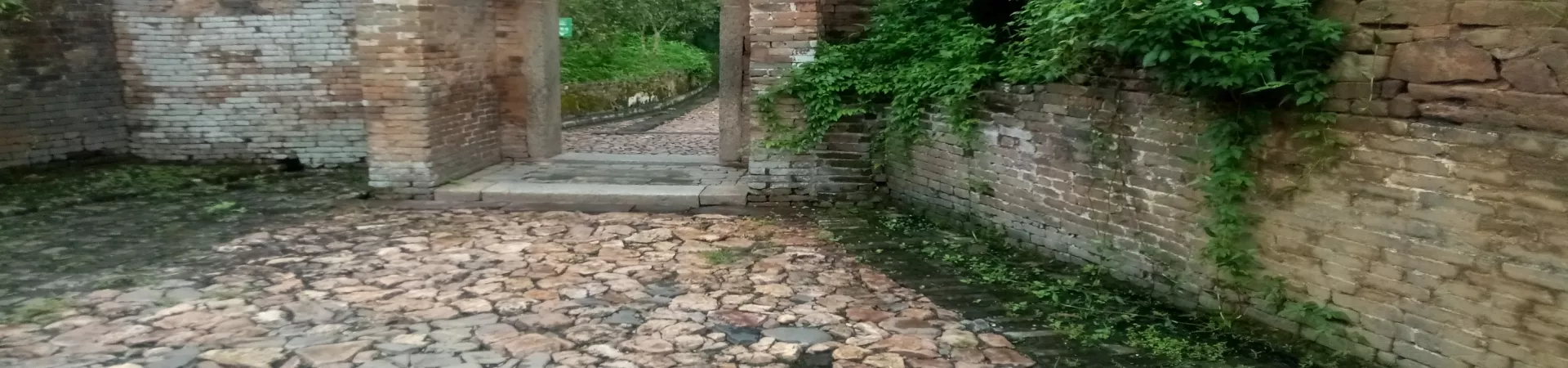
1. Design and Structure of the Weilongwu The Weilongwu is a distinctive architectural form that is quintessentially Hakka. These are large, fortified communal residences designed for extended families or clans. Their unique structure typically features a central ancestral hall at the core, surrounded by concentric rings of living quarters, all enclosed by a formidable, high outer wall. This layout reflects a deep-seated need for collective security and social cohesion among the migrating Hakka communities, who often settled in potentially hostile new territories. The design is not merely functional; it is deeply symbolic. Historians have noted remarkable similarities between the Weilongwu and the grand courtyard complexes of the aristocratic classes in the ancient Central Plains. This architectural continuity is powerful evidence of the Hakka people's success in preserving their cultural and architectural roots despite their long migration and relocation. The buildings in Sujiawei, with their weathered grey bricks, elegant tiled roofs, intricate wood carvings, and spacious courtyards, stand as solemn and majestic monuments to this adaptive tradition.
2. Exploring the Village Layout A stroll through Sujiawei is an exploration of this architectural philosophy. The arrangement of the 18 Weilongwu is not haphazard but follows the natural topography, harmonizing with the hills and waterways. The older Ming Dynasty structures exhibit classic features like sturdy granite foundations and finely detailed gateways. The ancestral halls, often the most ornate buildings, serve as the spiritual and administrative heart of each compound, where rituals were performed, and family matters were decided. The interconnected lanes and open courtyards between the houses reveal a community designed for both privacy within families and social interaction among the larger clan.
The Cultural Tapestry: Hakka Traditions and Rural Life Beyond the silent walls of the Weilongwu, Sujiawei offers immersive cultural experiences that bring its history to life. The village is a vibrant showcase of Hakka customs that have been nurtured for centuries.
1. Intangible Cultural Heritage Visitors may encounter elements of traditional Hakka culture, from distinctive folk songs that echo the hardships and hopes of migration to unique local festivals and culinary practices. The Hakka dialect, a living artifact of their northern origins, can still be heard. While the village is a tourist destination, efforts are made to present authentic aspects of daily life and traditional crafts, providing a glimpse into the enduring spirit of the Hakka people.
2. The Natural Environment as a Cultural Space The exquisite natural setting is not just a backdrop but an integral part of village life. The rivers provided transportation and irrigation, the fertile land sustained agriculture, and the surrounding forests offered resources. Today, the lush landscapes, bamboo groves, and river views provide a serene environment for visitors to contemplate the harmonious relationship between the Hakka settlers and their chosen land. The panoramic view from certain points, where the traditional rooftops blend into the rolling green hills, perfectly encapsulates the "picture-perfect" ideal.
Practical Information for Visitors To facilitate a smooth and enriching visit, please note the following practical details:
1. Admission and Operating Hours * Admission Fee: The general entrance ticket is priced at 30 RMB. * Operating Hours: The village is open to visitors daily. Hours vary slightly by season: * Summer Period (June 1 - August 31): Open from 08:30 to 17:30. The last admission is at 17:30. * Winter Period (December 1 - February 28/29 of the following year): Open from 08:30 to 17:00. The last admission is at 17:00.
2. Contact Information For any inquiries prior to your visit, you can contact the site at: 0762-8882888.
3. Location and Access Sujiawei is located in Yihé Town, Dongyuan County, under the administration of Heyuan City, Guangdong Province. The distance from Heyuan city center is approximately 26 kilometers, making it accessible by car or taxi within roughly an hour's drive, depending on traffic conditions. The journey itself through the county roads offers pleasant views of the Guangdong countryside.