Linzhai Ancient Village
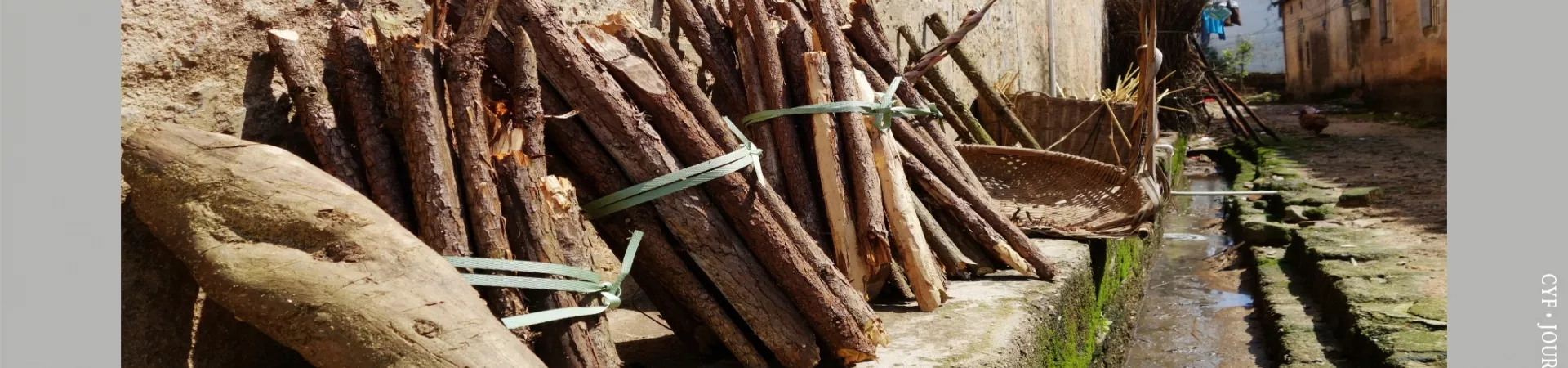
Subtitle: A Journey Through Time: Exploring the Ancient Village of Linzhai and Its Architectural Marvels
Introduction: A Tapestry of History and Architecture
Nestled within the town of Linzhai in Heping County, Guangdong Province, lies the Ancient Village of Linzhai, a serene and captivating destination that serves as a living museum of Hakka culture and architectural ingenuity. Far from the bustling metropolises, this village offers a profound glimpse into a bygone era, where history is etched into the very walls of its structures. The village's claim to fame and its soul reside in the remarkable collection of Sijiao Lou (Four-Point Towers), fortified manor houses that stand as silent sentinels of the past. With 24 of these distinctive buildings, including renowned examples like Yingchuan Jiujia, Daifu Di, Meijin Dongnan, Sima Di, Qianzai Lou, Yongzhen Lou, and Taiqiu Jiafeng, scattered throughout the landscape, Linzhai presents an unparalleled concentration of this unique architectural form. The beauty and significance of this ensemble are so profound that it once graced postage stamps in the United States, marking its place on the world's cultural map. A visit here is not merely a sightseeing trip but an immersive journey into the strategic, social, and artistic world of the Hakka people.
1. The Architectural Genius of the Sijiao Lou
1.1. Design and Layout: A Fortified Community The Sijiao Lou are the definitive feature of Linzhai. These are not simple residences; they are self-contained, fortified compounds designed for collective living and defense. Typically square or rectangular, they feature a towering, fortress-like exterior with few windows on the lower levels, reflecting the need for security in historical times. The most fascinating aspect of their layout is the ingenious interconnectedness. Inside, halls and rooms are linked, and buildings often connect to one another, creating a vast, communal living space. The design often follows a pattern of "large squares enclosing smaller ones," with courtyards nested within courtyards. Despite this dense, enclosed structure, the architects masterfully ensured excellent ventilation and natural lighting through central courtyards (天井), cleverly placed windows on upper floors, and strategic architectural openings, creating a living environment that was both secure and comfortable.
1.2. Artistic Embellishment: A Symphony in Stone and Wood Beyond their imposing structure, the Sijiao Lou captivate with their exquisite interior artistry. The architectural austerity of the exterior gives way to an astonishing level of decorative craftsmanship inside. The villages are particularly renowned for their intricate stone and wood relief carvings. These can be found on door frames, window lattices, eaves, pillars, and screen walls. The carvings depict a wide range of motifs: from traditional Chinese symbols of luck, longevity, and prosperity (such as bats, peaches, and the double-happiness character), to scenes from folklore, historical narratives, and delicate floral patterns. The craftsmanship is exceptionally refined, with every detail showcasing the skill and aesthetic sensibility of the artisans. This artistic investment transforms the functional spaces into galleries of folk art, where every corner invites visitors to pause and appreciate the meticulous work.
2. Highlights Among the Towers: Must-Visit Manor Houses
While each Sijiao Lou has its own story, several stand out for their unique characteristics and are essential stops on any tour of the village.
2.1. Yongzhen Lou: The Impregnable Gateway Yongzhen Lou is famed for its formidable defensive features, most notably its gateway. The phrase "one door guards the pass" perfectly encapsulates its design. Its entrance is a masterpiece of defensive architecture, featuring incredibly thick doors, complex locking mechanisms, and often a structure designed to bottleneck and trap potential intruders. Studying Yongzhen Lou provides the clearest understanding of the primary, practical purpose these towers served for their inhabitants.
2.2. Sima Di: A Showcase of Woodcarving Mastery Sima Di distinguishes itself through its exceptional wooden decorations. Here, visitors can find some of the most beautiful and complex wood carvings in all of Linzhai. The techniques on display include openwork carving (镂雕), where the wood is chiseled through to create delicate, lace-like patterns, and high-relief carving. These adorn partitions, altar pieces, and furniture, depicting intricate scenes with breathtaking precision. It is a testament to the wealth and cultural aspirations of its original owners.
2.3. Qianguang Lou: The Model of a Wealthy Estate Qianguang Lou is often cited as a quintessential example of a wealthy Hakka manor. Its scale is grand, its layout is comprehensive and symmetrical, and its decorations are lavish. It embodies the ideal of a self-sufficient community under one roof, containing not only living quarters but also ancestral halls, study rooms, storage areas, and wells. Exploring Qianguang Lou offers a holistic view of the lifestyle, social structure, and aspirations of the prosperous Hakka gentry who built these enduring homes.
3. Practical Information for Your Visit
3.1. Admission and Opening Hours To facilitate your planning, please note the following practical details. The entrance fee to the Linzhai Ancient Village is 25 RMB per person. The village is open to visitors daily from 8:00 AM to 6:00 PM. Last admission is at 6:00 PM. It is advisable to check for any updates to these hours prior to your visit, though they generally remain consistent throughout the year.
3.2. Suggested Duration To fully appreciate the scale of the village, explore several of the key Sijiao Lou in detail, and wander through its ancient alleyways, a visit of 1 to 3 hours is recommended. This allows sufficient time to admire the architecture, examine the carvings, and absorb the tranquil atmosphere without feeling rushed.
Information last updated: January 5, 2023. Credit and thanks to the cultural contributors and editors from platforms like Mafengwo for maintaining and sharing this valuable cultural knowledge.