Heyuan Tuocheng
Subtitle: A Journey Through Time in Guangdong's Ancient Administrative Heart
Introduction: The Cradle of Lingnan Civilization
Nestled within the Longchuan County of Guangdong Province, often referred to as the "Millennium-Old County," lies the historic town of Tuocheng. More than just a scenic area, Tuocheng is a profound archaeological and cultural archive, representing the very inception of systematic administration and cultural integration in the Lingnan region. Its story begins not in the Ming or Qing dynasties, which feature prominently across China, but in the era of the first emperor, Qin Shi Huang. Established in 214 BC as the first county seat of Longchuan after the Qin dynasty's conquest of the Baiyue tribes, this town was originally named Longchuan City. Its transformation into "Tuocheng" is a tribute to its most illustrious governor, Zhao Tuo, who later founded the separatist Kingdom of Nanyue (Southern Yue). A visit to Tuocheng is, therefore, a direct walk into the foundational layers of southern Chinese history, where ancient walls whisper tales of unification, governance, and cultural synthesis.
Historical Significance and Core Attractions
1. The Legacy of Zhao Tuo and Qin Foundations The spirit of Zhao Tuo permeates Tuocheng. As the first county magistrate appointed by the Qin empire and the subsequent founding king of Nanyue, his legacy is the town's cornerstone. Several sites are directly linked to him. The Yue King Well, dating back to the Qin period, is a remarkable relic of ancient hydraulic engineering and is traditionally believed to have served Zhao Tuo's residence. Nearby, the Site of Zhao Tuo's Former Residence offers a tangible connection to this pivotal historical figure. For later generations who sought to honor his influence in sinicizing the region, the Yue King Temple was constructed as a place of commemoration and respect.
2. The Sacred Confucian Complex: The Academy (Xue Gong) At the intellectual and ceremonial heart of traditional Tuocheng stood its Confucian Temple, or Xue Gong (Academy). This complex underscores the importance of Confucian orthodoxy in governing and civilizing the frontier lands. Its centerpiece is the majestic Dacheng Hall, a building with multiple eaves that exudes solemnity and houses a statue of Confucius. Flanking this hall are other significant structures like the Minglun Tang (Hall of Ethical Relations), used for lectures and discussions, and the Zunjing Ge (Scripture Reverence Pavilion), which stored classical texts. This preserved academy provides deep insight into the educational and ritual practices that shaped local gentry and bureaucrats for centuries.
3. A Rare Window into Imperial Examinations: The Examination Sheds (Kaopeng) One of Tuocheng's most exceptional and nationally significant treasures is its Examination Sheds. As one of the very few extant examination compounds from the Ming and Qing dynasties in China, it is a site of immense historical value. Here, candidates would be secluded in tiny, cell-like rooms for days, composing "eight-legged essays" under intense pressure, their fates hinging on the results. Walking through this complex allows visitors to vividly imagine the palpable tension and lofty aspirations that once filled these corridors, offering a unparalleled perspective on the civil service examination system that dominated Chinese intellectual life for over 500 years.
Architectural and Cultural Landmarks
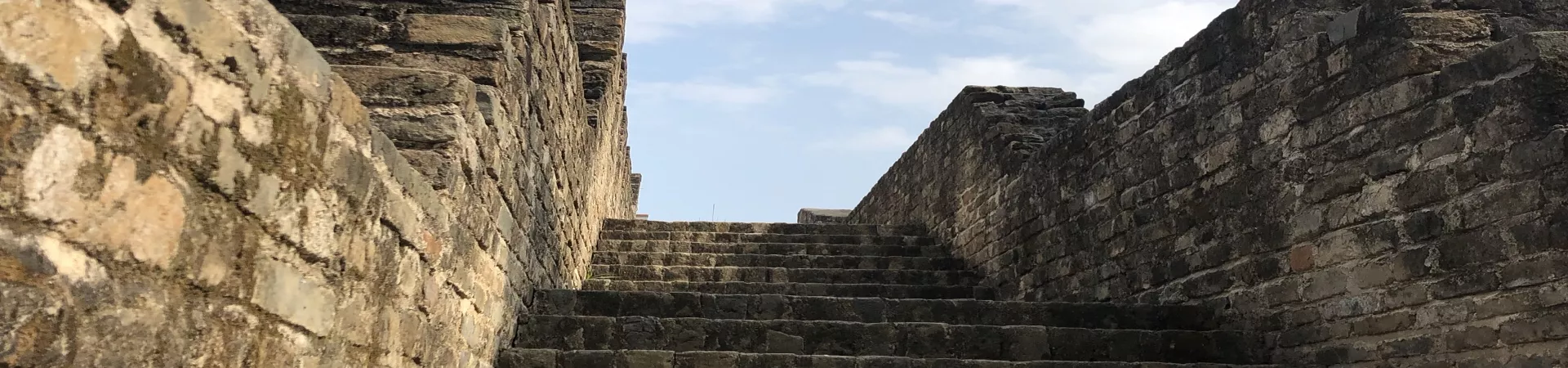
1. Ancient Defenses and Clan Heritage The fragmentary but evocative remains of the Ancient City Wall hint at Tuocheng's former strategic importance. Scattered throughout the old town are numerous Ancestral Halls (Zong Ci) of various family clans. These halls, often ornately decorated, served as centers for clan worship, administration, and community gathering, reflecting the robust social structure organized around kinship that characterized local life.
2. Religious and Cultural Monuments Beyond the Confucian complex, other structures highlight different cultural facets. The Zhengxiang Pagoda, with its origins in the Tang Dynasty, stands as a serene Buddhist landmark. Its presence indicates the early spread and influence of Buddhism in this region. Another charming site is the Su Causeway, reportedly built by Su Zhe, the renowned poet-official Su Shi's brother, during his tenure in the area. This causeway is a testament to the travels and contributions of famous literary figures to local infrastructure and lore.
Visitor Information
1. Ticketing and Operating Hours The Tuocheng Scenic Area is generally open daily from 08:40 to 17:20, with last admission at 16:30. Standard admission is priced at 40 RMB for adults. Concessionary tickets (typically for children, students with valid ID, and seniors) are available for 20 RMB. It is always advisable to verify the latest prices and opening times before your visit, as schedules may adjust seasonally.
2. Special Notes and Accessibility A noteworthy policy, particularly reflecting recent history, is that frontline medical workers who participated in pandemic relief efforts in Hubei province could previously present relevant certificates for free admission. The current status of this policy should be confirmed directly with the scenic area management. For any inquiries, visitors can contact the site at 0762-6683882.
Conclusion Tuocheng is not a single monument but a living museum of layered history. From its Qin dynasty wells and Nanyue Kingdom foundations to its Ming-Qing examination halls and ancestral clan temples, it presents a continuous narrative of political authority, cultural assimilation, and scholarly pursuit in South China. Every lane and relic contributes to an immersive experience, making it an essential destination for anyone seeking to understand the deep historical roots of Guangdong beyond its modern metropolises.