bijiashan park
A Visitor's Guide to Bijia Mountain Park, Heyuan: A Natural Sanctuary in Guangdong
Nestled within the urban landscape of Heyuan City in Guangdong Province, Bijia Mountain Park stands as a verdant oasis, offering residents and travelers alike a serene escape into nature. Named for its distinctive triple-peak silhouette that resembles a traditional scholar's writing brush holder (Bijia), the park is more than just a scenic backdrop; it is a comprehensive recreational area blending ecological beauty, cultural hints, and leisure facilities. For those seeking a day of hiking, panoramic views, or simply a peaceful stroll away from the city's hustle, Bijia Mountain Park presents an ideal destination.
1. The Landscape and Core Features
The park's topography is its defining character. Dominated by the three main peaks—the highest soaring to approximately 418 meters—the area is covered in dense, evergreen subtropical forests. This lush canopy provides shade and a habitat for diverse local flora and fauna, making every path a journey through a thriving natural ecosystem.
1.1. The Hiking Trails and Viewpoints
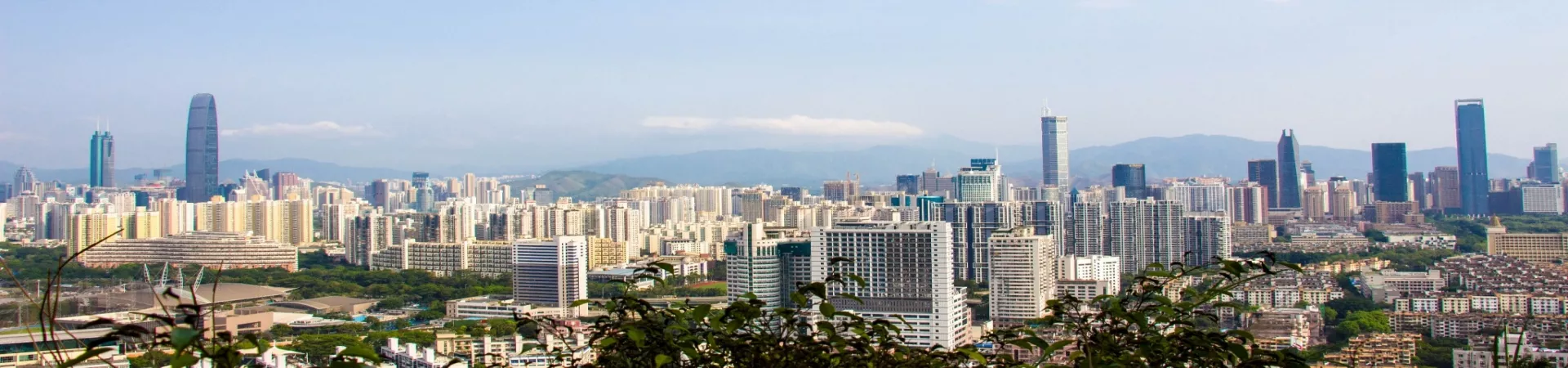
A network of well-maintained stone steps and winding paths forms the backbone of the park's exploration. The ascent, while requiring moderate physical effort, is highly rewarding. * The Main Ascent: The primary trail leads visitors up through the forest, with the climb becoming progressively steeper. Resting pavilions are strategically placed along the route, offering spots to catch your breath and enjoy the surrounding greenery. * The Summit Reward: Upon reaching the main peak, visitors are greeted by the park's crowning glory: an expansive observation tower. From this vantage point, one is treated to a breathtaking panoramic view of the entire Heyuan city basin, the meandering Dong River, and the rolling hills that define the region's landscape. It is particularly spectacular at sunrise or sunset.
1.2. The Cultural and Historical Touches
While primarily a natural site, the park incorporates subtle cultural elements that connect it to the local context. * Architectural Harmony: Traditional Chinese-style pavilions, arched bridges, and resting platforms are integrated into the hillsides. These structures not only serve functional purposes but also add aesthetic points of interest that complement the natural scenery. * Local Legacy: The park's name itself is a cultural nod. The "Brush Holder" shape of the mountains has long been associated with scholarly pursuit and cultural refinement in Chinese tradition, hinting at the region's appreciation for such values.
2. Recreational and Leisure Facilities
Understanding the need for diverse visitor experiences, the park grounds at the mountain's base are developed into a spacious and family-friendly zone.
2.1. The Lakeside Promenade
At the foot of the mountains lies a tranquil artificial lake. A paved promenade circles its perimeter, perfect for leisurely walks, jogging, or simply sitting by the water. The lake reflects the mountain's image, creating a picturesque and calming scene.
2.2. Activity Areas for All Ages
- Children's Playground: Equipped with safe, modern play structures, this area allows younger visitors to expend their energy in a dedicated space.
- Open Lawns and Squares: Expansive grassy areas and paved squares are popular for family picnics, group exercises like tai chi in the mornings, and casual gatherings.
- Basic Amenities: Public restrooms, small concession kiosks selling drinks and snacks, and ample seating are available throughout the lower park area, ensuring a comfortable visit.
3. Practical Information for Visitors
To make the most of your trip to Bijia Mountain Park, a little planning is helpful.
3.1. Best Time to Visit
- Seasonal Advice: The park is accessible year-round. However, the most pleasant weather for hiking is during autumn (October to December) and spring (March to April), when temperatures are mild and the humidity is lower. Early mornings or weekdays are ideal to avoid crowds.
- Floral Displays: The spring season brings bursts of color from various blooming plants and trees within the park, enhancing its beauty.
3.2. Getting There and Entry
- Location: The park is situated in Yuancheng District, the central urban district of Heyuan City. It is easily accessible by taxi or local bus from downtown.
- Admission: A key point for visitors is that Bijia Mountain Park is typically free of charge to enter, making it an incredibly accessible attraction for everyone.
3.3. What to Bring and Wear
- Footwear: Sturdy, comfortable walking or hiking shoes are essential for tackling the stone steps and trails.
- Hydration and Sun Protection: Carry sufficient water, especially for the hike. A hat, sunglasses, and sunscreen are recommended as significant portions of the trail are exposed.
- Essentials: A camera is a must for the summit views. Insect repellent can be useful during warmer months.
4. The Role of the Park in Heyuan's Ecology
Beyond recreation, Bijia Mountain Park serves a vital environmental function for Heyuan. As a significant "green lung," it helps regulate the urban climate, improve air quality, and conserve local biodiversity. The preservation of this large forested area within the city limits demonstrates a commitment to sustainable urban planning, offering a place where the natural environment and the community exist in close harmony. For visitors, it provides a tangible connection to the ecological health and scenic beauty that defines much of northern Guangdong beyond the city centers.