Taipinggou Scenic Area
Subtitle: A Journey Through Time and Nature in China's Northern Frontier
1. Introduction to Taipinggou Scenic Area Nestled along the majestic Heilongjiang River in the far northeastern reaches of Heilongjiang Province, the Taipinggou Scenic Area represents a profound convergence of pristine natural beauty and deep historical significance. Located within the administrative scope of Hegang City, this expansive area serves as a protected natural sanctuary and a living museum of China's frontier development. It is a destination where the untamed wilderness of dense forests and powerful rivers meets the enduring legacy of human endeavor, from ancient indigenous cultures to the ambitious gold rush of the late 19th century. For the discerning traveler, Taipinggou offers not merely a scenic escape but an immersive experience into the ecological and historical soul of the Chinese borderlands.
2. The Historical Tapestry of Taipinggou 2.1. The Legacy of the Gold Rush The name Taipinggou, which translates to "Peaceful Ditch," belies its thrilling and tumultuous past as the epicenter of one of China's most significant gold rushes. In the late Qing Dynasty, around the 1880s, the discovery of alluvial gold along these riverbanks triggered a massive influx of prospectors, merchants, and adventurers, transforming this remote valley into a bustling, albeit often lawless, frontier boomtown. This period is vividly preserved within the Taipinggou Gold Rush Cultural Park. Visitors can explore reconstructed mining camps, pan for gold in designated streams, and witness demonstrations of historical mining techniques. The park stands as a monument to the hopes, hardships, and relentless spirit of those who sought fortune in this rugged landscape, offering a tangible connection to a pivotal chapter in Northeast China's economic history.
2.2. A Strategic Frontier Post Beyond its mineral wealth, Taipinggou's geographical position on the Heilongjiang River (known as the Amur River in Russia) endowed it with lasting strategic importance. For centuries, it has been a vital observation and defense point on the Sino-Russian border. The area's history is intertwined with narratives of territorial demarcation, trade, and cultural exchange across the river. This historical role adds a layer of geopolitical significance to the visit, inviting contemplation on the nature of borders and the shared history of the region's inhabitants.
3. The Natural Splendor of the Landscape 3.1. The Mighty Heilongjiang River The lifeblood of the Taipinggou Scenic Area is the Heilongjiang River. A boat tour along its broad, powerful currents is an essential experience. The river not only provides stunning panoramic views of the surrounding forested hills but also serves as the natural border, with the Russian shoreline visible in the distance. The water's hue changes with the seasons and weather, from a serene blue to a mysterious, deep blackish-green, which is the literal meaning of "Heilongjiang" or "Black Dragon River." The riverbanks are habitats for diverse birdlife, making it an excellent spot for quiet observation.
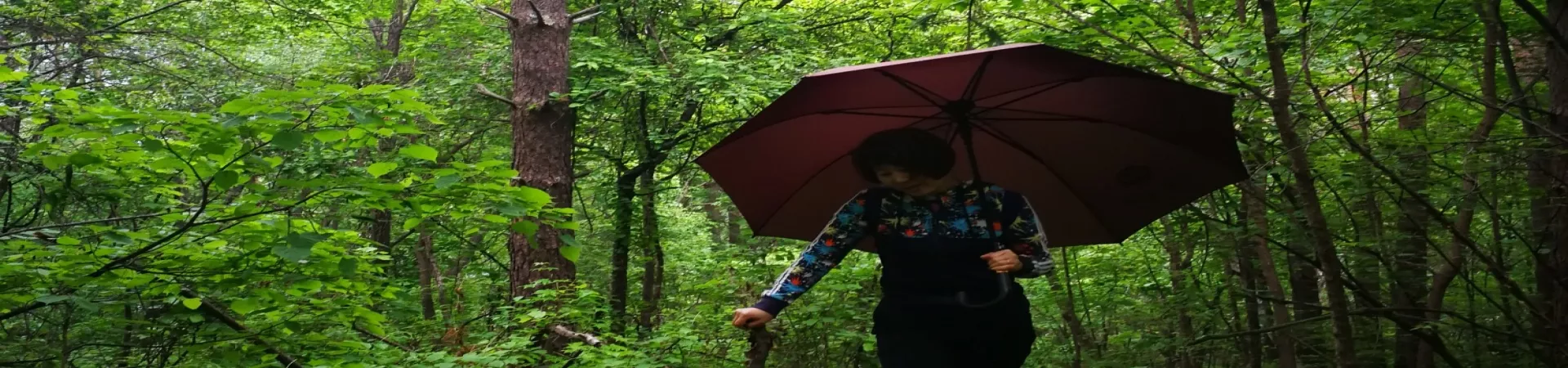
3.2. Virgin Forests and Ecological Riches The scenic area is enveloped by vast expanses of well-preserved mixed coniferous and broad-leaved forests, characteristic of the cold temperate zone. These virgin woods are a sanctuary for biodiversity. Visitors exploring the network of hiking trails will encounter ancient trees, a rich undergrowth of unique flora, and, with luck, signs of wildlife such as deer, foxes, and numerous bird species. The air is notably fresh and fragrant, particularly in the summer and early autumn. The forest ecosystem changes dramatically with the seasons: lush green in summer, a spectacular canvas of fiery red, orange, and gold in autumn, a silent, snow-blanketed wonderland in winter, and a place of renewal in spring.
3.3. Unique Geological Formations The landscape is sculpted by the river and ancient geological forces, resulting in captivating features. Look for intriguing rock formations along the river valleys and forest edges. While not towering mountains, the rolling hills and river valleys create a dynamic and picturesque topography perfect for photography and serene contemplation.
4. Key Sites and Visitor Experience 4.1. The Red-lined Sentry Post (Hongse Bianfang Xian) One of the most symbolic and poignant sites within Taipinggou is the Red-lined Sentry Post. This site commemorates the patriotic history of border defense. It features educational exhibits and monuments that honor the soldiers and civilians who have guarded this frontier. The "red line" symbolizes the inviolability of the national border, and a visit here provides a sobering and respectful insight into the importance of this remote region to the nation's identity and security.
4.2. Hiking Trails and Observation Platforms A system of well-maintained wooden boardwalks and earthen trails allows visitors of various fitness levels to delve deep into the heart of the forest and access optimal viewpoints. These trails lead to strategically placed observation platforms that offer breathtaking, elevated vistas over the great bend of the Heilongjiang River and the endless sea of forest beyond. The platforms are ideal locations for sunrise or sunset viewing, where the play of light over the water and trees is truly magical.
4.3. Practical Information for the Visit * Best Time to Visit: The area is truly a year-round destination, with the most popular seasons being autumn (September to early October) for the stunning fall foliage, and summer for lush greenery and pleasant temperatures. Winter offers a stark, beautiful, and incredibly quiet experience, with frozen river scenes, but requires preparation for severe cold. * Accessibility: Taipinggou is remote. The journey typically involves traveling to Hegang City first, followed by a several-hour road trip to the scenic area. Private transport or a guided tour is highly recommended. * Amenities: Basic visitor facilities, including parking, restrooms, and small vendor stalls selling snacks and water, are available at key points. Accommodation options within the immediate area are limited, with more choices in nearby towns or back in Hegang. * Essentials: Given the natural setting, visitors should wear sturdy, comfortable walking shoes, dress in layers appropriate for the season, and bring sun protection, insect repellent (in summer), and sufficient water. A camera is a must.
The Taipinggou Scenic Area is more than just a checklist of sights; it is an environment to be felt and a history to be pondered. It invites you to listen to the whisper of the ancient pines, feel the cool mist from the Black Dragon River, and touch the weathered wood of a prospector's hut, connecting you to the enduring narrative of this remarkable northern frontier.