Putuoshan Religious Culture Scenic Area
Subtitle: A Sacred Sanctuary in China's Northern Frontier: Exploring the Religious and Natural Wonders of Putuo Mountain Cultural Scenic Area, Hegang
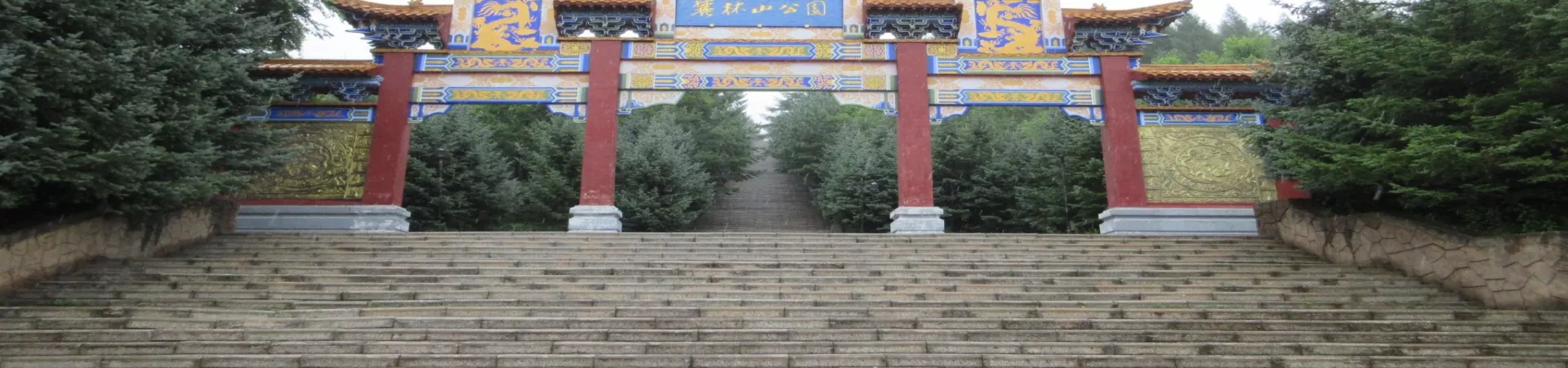
1. Introduction to the Landscape and Legacy Nestled against the slopes of Lulin Mountain on the southern outskirts of Hegang city, the Putuo Mountain Religious Cultural Scenic Area presents a profound juxtaposition of serene spirituality and majestic natural beauty. Averaging an altitude of 200.13 meters, the site masterfully integrates the principles of classical Chinese geomancy, being "依册傍水" (leaning against the mountain and bordering water), which fosters an atmosphere of harmonious balance. The风景区's primary claim to fame and namesake is the esteemed Beiputuo Temple (North Putuo Temple), one of the five principal Putuo temples symbolically representing the cardinal directions in Chinese Buddhism. Encompassing 128 hectares of meticulously preserved land, the area has evolved from a local pilgrimage site into a destination of national religious significance, attracting countless visitors and devotees who seek both spiritual solace and scenic grandeur.
2. Spiritual Heart: Architectural and Religious Highlights The scenic area serves as a comprehensive spiritual complex, housing several key structures and artifacts central to Buddhist practice and veneration.
2.1. The Core Temples: Beiputuo and Sanbao At the center of the site's religious life stands the Beiputuo Temple. As a representative of the northern "普陀" (Putuo) – a bodhimanda traditionally associated with the Bodhisattva Guanyin – this temple forms a critical node in China's national Buddhist geography. Its architecture and rituals contribute significantly to the area's substantial influence within the country's religious circles. Complementing it is the Sanbao Temple, another vital sanctuary within the park. "Sanbao," meaning the "Three Jewels" of Buddhism (the Buddha, the Dharma, and the Sangha), indicates the temple's dedication to the core tenets of the faith. Together, these temples provide spaces for scripture chanting, meditation, and ceremonial observances, forming the administrative and devotional core of the complex.
2.2. Monumental Iconography: Open-Air Statues Beyond the temple halls, the landscape itself is sanctified by monumental sacred art. The most striking features are the colossal Open-Air Great Buddha statue and various statues of Bodhisattvas. These towering figures, often depicting enlightened beings like Shakyamuni Buddha or the compassionate Guanyin, are strategically placed amidst the natural scenery. Crafted with intricate detail, they serve not merely as artistic marvels but as focal points for prayer, reflection, and pilgrimage, allowing visitors to engage with Buddhist iconography in a powerful, unmediated outdoor setting.
3. The Natural Environment and Visitor Experience The spiritual journey here is inextricably linked to the physical and sensory experience of the natural world. The风景区 is characterized by steep mountain terrain densely encircled by verdant forests. This lush greenery creates a tranquil, insulated environment, separating the sacred space from the urban periphery. The act of ascending to high points for panoramic views is a quintessential part of the visit. From these vantage points, overlooking the canopy and the distant city, one experiences the "心旷神怡之感" – a feeling of mental openness and physical exhilaration that blends spiritual refreshment with the awe of nature.
3.1. Festival Vibrancy and Daily Tranquility The atmosphere within the scenic area dynamically shifts with the liturgical calendar. On ordinary days, it offers a haven of peace and quiet contemplation, where the only sounds might be chanting, wind through the trees, and temple bells. This tranquility transforms dramatically during major Buddhist festivals and celebrations. On such occasions, the grounds become a vibrant tapestry of devout activity: throngs of visitors and pilgrims fill the paths, incense smoke coils densely around altars, and the air hums with prayers and rituals. The influx is so significant that roads become congested with bumper-to-bumper traffic, a testament to the site's powerful draw and lively religious fervor.
4. Practical Information: Access and Transportation Reaching Putuo Mountain Scenic Area from Hegang city center is straightforward, with multiple convenient options.
4.1. Public Bus Network Hegang's city bus system, noted for its rational design and user-friendliness, efficiently connects various urban points to the scenic area. The network employs a combination of loop lines and standard routes, ensuring comprehensive coverage. Visitors can easily find a bus line that terminates near or provides access to the southern suburbs and Lulin Mountain, making it an economical and reliable choice.
4.2. Taxi Services For more direct and flexible travel, taxis are readily available throughout Hegang. The local fleet commonly features models such as Xiali and Citroën. Service is affordable, with a standard starting fare of 5 RMB. A taxi ride offers a comfortable and swift journey directly to the entrance of the scenic area, which is particularly advisable for those with limited time, families, or groups. The combination of efficient public transit and accessible taxi services ensures that the spiritual and natural retreat of Putuo Mountain is within easy reach for all who wish to visit.