Mingshan Scenic Area
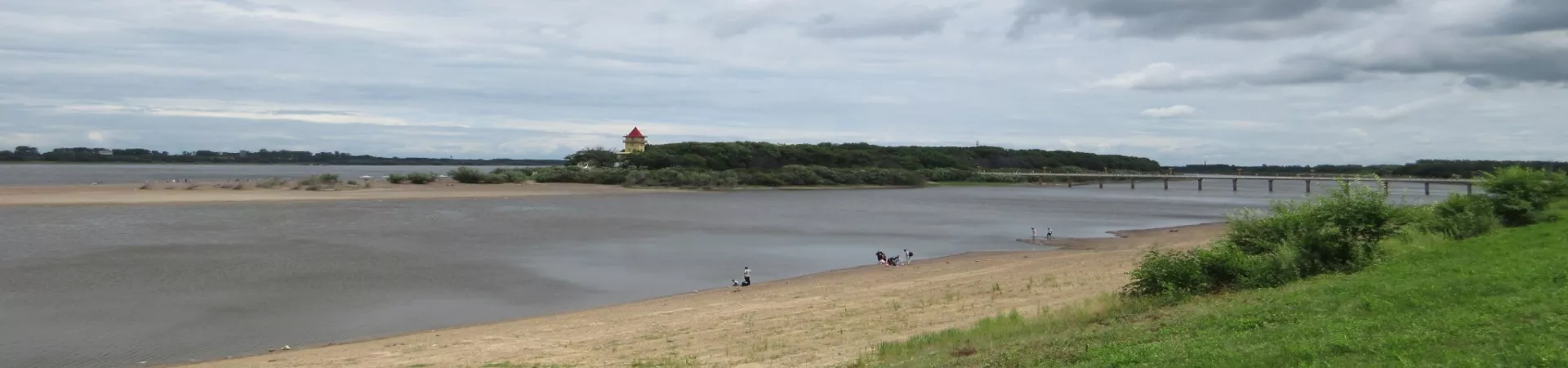
Subtitle: A Comprehensive Guide to Visiting Ming Mountain Scenic Area in Hegang, China
1. Introduction to Ming Mountain Scenic Area Nestled in the northeastern province of Heilongjiang, the city of Hegang is home to a natural and cultural treasure: the Ming Mountain Scenic Area. While Hegang is often recognized for its historical significance in China's coal industry, Ming Mountain offers a contrasting and serene escape into a landscape of forested hills, unique geological formations, and tranquil river views. It serves as a vital green lung and recreational space for both locals and visitors seeking respite from urban life. This guide provides detailed, practical information to help you plan a seamless and enjoyable visit to this underrated destination.
2. Practical Visitor Information 2.1. Ticket Pricing and Purchase Gaining access to the natural beauty of Ming Mountain is remarkably affordable. The standard admission fee is set at a nominal 5.0 Chinese Yuan (CNY). This price point makes it an exceptionally accessible attraction for all types of travelers, from individuals and families to large groups.
- Important Considerations Regarding Tickets:
- The stated price of 5.0 CNY is typically the "gate price" or standard fare. It is always advisable to check for any official online booking platforms or local tourism websites that might offer slight discounts or bundled packages, though these are not commonly promoted for a site with such a low entry cost.
- Please note that this fee is generally for basic scenic area entry. Additional charges may apply for specific internal attractions, recreational activities, or transportation services within the vast park (e.g., shuttle buses, boat rides on the river). These are usually optional and can be paid separately on-site.
- Ensure you have small change or the ability to make digital payments (via WeChat Pay or Alipay), as these are now almost universally accepted at ticketing counters across China.
2.2. Operating Hours and Best Time to Visit Proper timing is crucial for maximizing your experience. The scenic area operates on a fixed schedule throughout the year.
- Daily Opening Schedule:
- Opening Time: 06:30 AM
- Closing Time: 17:30 PM (with the final admission granted at this time)
- Full Operational Hours: 06:30 - 17:30 daily.
This schedule is consistent from January 1st to December 31st, Monday through Sunday, indicating the park is open every day of the year without exception for regular holidays. The early opening time is perfect for morning hikers and photographers who wish to catch the serene morning light over the landscape, while the 17:30 cutoff emphasizes that this is primarily a daytime destination.
- Seasonal Recommendations:
- Summer (June-August): This is the peak season. The weather is warm and pleasant, with lush green foliage covering the mountains. It's ideal for hiking, picnicking, and enjoying the full vibrancy of the forests. Be prepared for more visitors, especially on weekends.
- Autumn (September-October): Arguably the most spectacular season. The mixed forests transform into a breathtaking canvas of gold, red, and orange. The air is crisp, making it perfect for extended hikes and photography.
- Winter (November-March): Hegang experiences a long, cold, and snowy winter. Ming Mountain takes on a stark, silent beauty, offering opportunities for winter photography and peaceful walks in the snow. However, some trails or facilities might be limited or closed due to ice and snow. Ensure you dress in extreme cold-weather gear.
- Spring (April-May): A season of renewal. As the snow melts, the vegetation begins to bloom. It can be muddy underfoot, but the crowds are thinner, and the awakening nature is a delight.
3. Navigating and Exploring the Scenic Area 3.1. Key Attractions and Landscapes While specific landmark names within Ming Mountain are not detailed in the provided information, typical features of such a scenic area in this region include: * Forested Trails and Hiking Paths: A network of trails of varying difficulty winds through the hills, suitable for casual walkers and more serious hikers. * River Views: The scenic area is likely situated along or near the Hegang river system, providing beautiful waterfront vistas and spots for relaxation. * Panoramic Lookout Points: Higher elevations within the park probably offer designated viewpoints overlooking the surrounding forests and the city of Hegang in the distance. * Geological Features: The area may showcase interesting rock formations shaped by millennia of weathering.
3.2. Transportation and Access * Getting to Hegang: Hegang is accessible by train or long-distance bus from major cities like Harbin. Harbin Taiping International Airport (HRB) is the closest major air hub, from which you can take a train or bus to Hegang (a journey of several hours). * Getting to Ming Mountain Scenic Area: From downtown Hegang, visitors can take a local taxi or a ride-hailing service (like Didi) directly to the scenic area's entrance. The ride is typically short and inexpensive. There may also be local public bus routes that terminate near the park; inquiring at your accommodation for the latest bus numbers and schedules is recommended.
4. Tips for a Enhanced Visit 4.1. What to Bring and Wear * Footwear: Sturdy, comfortable walking or hiking shoes with good grip are essential, as paths can be uneven, rocky, or slippery. * Clothing: Dress in layers according to the season. Weather in Heilongjiang can change quickly. In summer, bring sun protection (hat, sunscreen); in other seasons, a windproof and waterproof jacket is advisable. * Supplies: Carry sufficient water and some high-energy snacks, as concession stands inside might be limited or spaced far apart. A basic first-aid kit, a power bank for your phone, and a physical map (downloaded or printed) are prudent. * Photography Gear: Don't forget your camera or smartphone. The landscapes, particularly during autumn and winter, offer magnificent photo opportunities.
4.2. Cultural and Environmental Etiquette * Respect the Environment: Ming Mountain is a natural reserve. Adhere to the principle of "Leave No Trace." Carry out all your trash, do not disturb wildlife, and stay on designated paths to protect the flora. * Follow Park Regulations: Observe all posted signs and instructions from park staff. Areas may be cordoned off for ecological restoration or safety reasons. * Plan for the Closing Time: With the last admission at 17:30, ensure you begin your return journey to the exit well before the park closes at 17:30 to avoid being locked in.