Hegang National Mining Park
Subtitle: From Coal Capital to Ecological Showcase: The Rebirth of Hegang National Mining Park
Introduction: A Landscape Transformed Nestled in the northeastern province of Heilongjiang, the city of Hegang was once synonymous with coal. For nearly a century, its identity and livelihood were extracted from the deep, rich seams beneath the earth, fueling China's industrial growth. However, as the era of intensive mining waned, it left behind a scarred landscape of subsidence zones and environmental challenges. The Hegang National Mining Park stands as a monumental testament to the city's response to this legacy—not as a monument to extraction, but as a pioneering model of ecological restoration and industrial heritage preservation. This vast park is not merely a green space; it is a living museum, a cultural archive, and a powerful symbol of transformation from a "coal capital" to a haven of sustainable beauty and historical reflection.
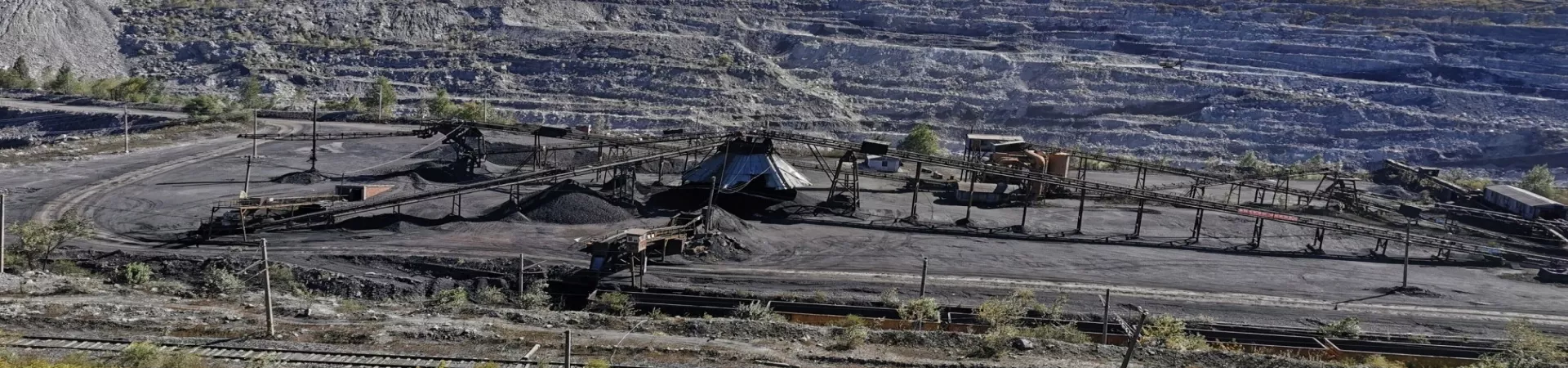
1. The Historical Core: Traces of a Mining Era 1.1. The Legacy of the Mine Shaft At the heart of the park's narrative are the preserved relics of its industrial past. The most poignant of these is the retired vertical mine shaft, its towering headframe still silhouetted against the sky. Once a bustling artery lowering miners and lifting coal, it now stands silent, allowing visitors to grasp the scale and engineering of underground mining. Nearby, collections of vintage mining equipment—locomotives, drilling machines, and conveyors—are displayed in open-air exhibitions. These rusting giants are not discarded scrap; they are carefully curated artifacts that tell a tangible story of labor, technology, and the relentless pursuit of resources that defined generations.
1.2. The Miner's Journey: Life Underground and Above Beyond machinery, the park dedicates spaces to humanize the historical narrative. The Hegang Mining Museum, often integrated into the park experience, serves as an essential indoor complement. Here, photographs, personal artifacts, and detailed models recreate the world of the miner. Exhibits detail the evolution of mining technology, from simple picks to mechanized shearers, while also confronting the hardships and dangers of the profession. This section honors the resilience and community spirit of the miners and their families, whose lives were inextricably linked to the rhythm of the mine, forming the true social bedrock of Hegang.
2. Ecological Renaissance: Greening the Scars 2.1. Reclaiming the Subsidence Zones The park's most striking achievement is its ecological transformation. Vast areas that were once unstable subsidence land, prone to flooding and barrenness, have been meticulously rehabilitated. Through advanced geological stabilization and soil improvement techniques, these zones have been converted into serene lakes, expansive wetlands, and rolling grasslands. This process is a masterclass in environmental engineering, demonstrating how industrial wounds can be healed. The created Xing'an Lake and its surrounding wetlands are now central features, attracting biodiversity and offering picturesque vistas that are a world away from the site's former appearance.
2.2. A New Habitat: Biodiversity and Green Corridors The new ecosystems are thriving. The lakes and wetlands have become habitats for migratory birds and aquatic life, while the afforested hills and meadows are populated with native flora. This deliberate creation of green corridors has improved local microclimates, reduced dust, and established a new ecological balance. Visitors can stroll along wooded paths, cycle around the lakeshores, and observe wildlife, witnessing firsthand how nature has been invited back to reclaim its space, supported by human ingenuity and commitment.
3. Cultural and Recreational Synthesis 3.1. Industrial Aesthetics and Public Art The park skillfully blends its historical identity with modern leisure. The stark, geometric forms of mining infrastructure are often left in place as sculptural elements, creating a unique industrial aesthetic. This is complemented by contemporary public art installations and sculptures that reflect on themes of transformation, memory, and hope. This fusion creates a thought-provoking landscape where the past and present dialogue openly, encouraging contemplation on progress and sustainability.
3.2. Facilities for Education and Leisure Catering to diverse visitors, the park is equipped with comprehensive facilities. Well-maintained hiking and cycling trails network the entire area, catering to fitness enthusiasts and casual walkers alike. Observation decks offer panoramic views of the transformed landscape, while interpretive signage throughout the park provides context in both Chinese and English. Educational centers host workshops and programs on ecology and local history, making it a valuable resource for student groups. Seasonal activities, from boating in summer to ice festivals in winter, ensure the park is a year-round destination for the community and tourists.
4. Practical Information for Visitors 4.1. Location and Accessibility Hegang National Mining Park is located on the eastern outskirts of Hegang City, Heilongjiang Province. It is accessible by local taxi or public bus from the city center. For visitors traveling from further afield, the nearest major transport hubs are Jiamusi Airport and Hegang Railway Station, from which connecting ground transport to the park is available.
4.2. Suggested Itinerary and Highlights A full day is recommended to appreciate the park's scope. A logical visit might begin at the mining relics area and museum to understand the historical context, followed by a walk or bike ride around the ecological zones, particularly the lakeside and wetland areas. The observation decks are ideal for photography. Visitors should wear comfortable walking shoes and dress appropriately for the northeastern climate, which features warm summers and very cold, snowy winters.
4.3. A Symbol for the Future Hegang National Mining Park ultimately transcends the category of a simple tourist attraction. It represents a profound philosophical shift—from exploiting nature to learning from it and repairing it. It stands as a national exemplar of how industrial cities can reinvent themselves, turning liabilities into assets that educate, inspire, and provide sustainable public value. For every visitor, it offers a powerful narrative of change: a story written not just in coal dust, but in the clear waters of new lakes and the green of rejuvenated land.