Minghe
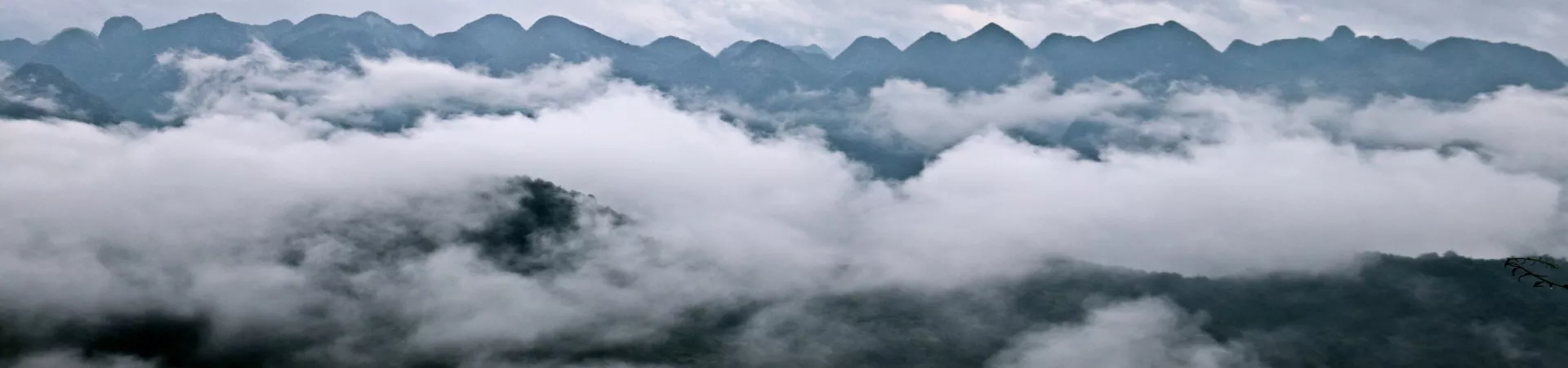
Subtitle: The River of Life: A Natural Marvel and Gateway to Longevity in Hechi, Guangxi
1. Introduction: The Calligraphy of Nature
From a vantage point high above, the Ming River (命河, Mìng Hé) presents a spectacle that blurs the line between landscape and art. Its course, meandering through the expansive, emerald-green fields of Bama County, forms a shape so distinct and deliberate it appears crafted by a divine hand. To the awe of visitors, the river’s path is a near-perfect, giant rendition of the Chinese character "命" (mìng), meaning "life," "destiny," or "fate." This is no mere coincidence of hydrology but a breathtaking natural inscription, written in water upon the earth. The character, executed with the fluid grace and飘逸脱俗 (piāo yì tuō sú) elegance of masterful cursive calligraphy, seems to float amidst the patchwork of farmland. This singular visual phenomenon is the heart of the river’s identity, a symbol that perfectly preludes the profound human story woven into its banks. It is not just a river; it is a statement, a natural monument to the very concept of life it is named for.
2. The Land of Longevity: A Living Tapestry
The Ming River’s significance transcends its physical beauty, flowing directly into the legendary status of the Bama region as one of the world's famed "Longevity Villages." The area surrounding the river is often considered the epicenter of this phenomenon. The statistics here are not dry numbers but testaments to a way of life. Along its verdant shores, the community boasts an extraordinary concentration of centenarians—individuals over 100 years old—numbering more than eighty. This remarkable group constitutes over two-thirds of all centenarians in the broader Bama longevity zone. Furthermore, elders in their eighties and nineties are described as "浩若繁星" (hào ruò fán xīng), as plentiful as the stars in the sky. This dense population of long-lived residents transforms the Ming River valley from a scenic spot into a living laboratory of health and well-being. Visitors come not only to see the river’s shape but to breathe the air, absorb the tranquility, and perhaps glimpse the secrets of a lifestyle that fosters such remarkable vitality. The river, therefore, is both a geographical landmark and the lifeline of a unique cultural and biological sanctuary.
3. Practical Visitor Information
3.1. Location and Transportation The Ming River is situated at the source of the Panyang River in Nashe Township, Bama County, Hechi City, Guangxi Zhuang Autonomous Region. Reaching this relatively serene destination requires some planning.
- By Private Car (Recommended for Flexibility): Driving offers the most convenient access. From Bama county town, take the road towards Fengshan. Follow roadside signage passing through areas like Pona and Jiazhuang Township until you reach the destination. The drive through the karst landscape is part of the experience.
- By Public Bus: For those relying on public transport, direct buses to Jiangzhou (which pass near the area) depart from Bama Bus Station. Crucial note: Service is very limited, with typically only two departures daily, at approximately 8:00 AM and 1:30 PM. The fare is around 15 RMB per person. Schedules can change, so verification at the station upon arrival is essential.
3.2. Visiting Details * Suggested Duration: Plan for a visit of 1 to 3 hours. This allows sufficient time to find the best viewing platform (often a designated hilltop or observation point) to appreciate the full "命" character shape, take photographs, and enjoy the peaceful rural ambiance. * Admission Ticket: As of the last update, there was no standard entrance fee or a fixed ticket booth for viewing the river from public observation areas. However, it is always advisable to check the latest details on-site or with local tourist information centers, as policies for managed viewpoints may evolve. * Opening Hours: The site is accessible for viewing 24 hours a day, every day of the year. The spectacle changes with the light—the lush green character is vivid under the midday sun, while sunrise and sunset cast dramatic shadows and golden hues across the fields, offering different yet equally compelling perspectives.
4. Experiencing the Ming River
A visit to the Ming River is a multi-sensory journey. The initial impact is visual—the breathtaking moment of recognition when the iconic character form reveals itself from the landscape mosaic. This is followed by a deeper, more contemplative atmosphere. The air is notably fresh, the pace of life is slow and rhythmic, and the surrounding villages hum with a quiet, enduring energy. While the river itself is the centerpiece, the experience is enriched by understanding its context within Bama's longevity culture. Visitors often find themselves reflecting on the intersection of environment, lifestyle, and well-being. It is recommended to engage respectfully with the local community, whose generations have lived in harmony with this special land. Whether you are a photographer seeking the perfect aerial-like shot, a traveler interested in unique cultural landscapes, or someone drawn to the themes of health and longevity, the Ming River offers a profound and unforgettable encounter with one of China's most fascinating natural and anthropological wonders.
Information last verified/updated: January 10, 2023. Credit and thanks to contributor Kay for collaborative editing.