Dahua Seven Hundred Lane National Geopark
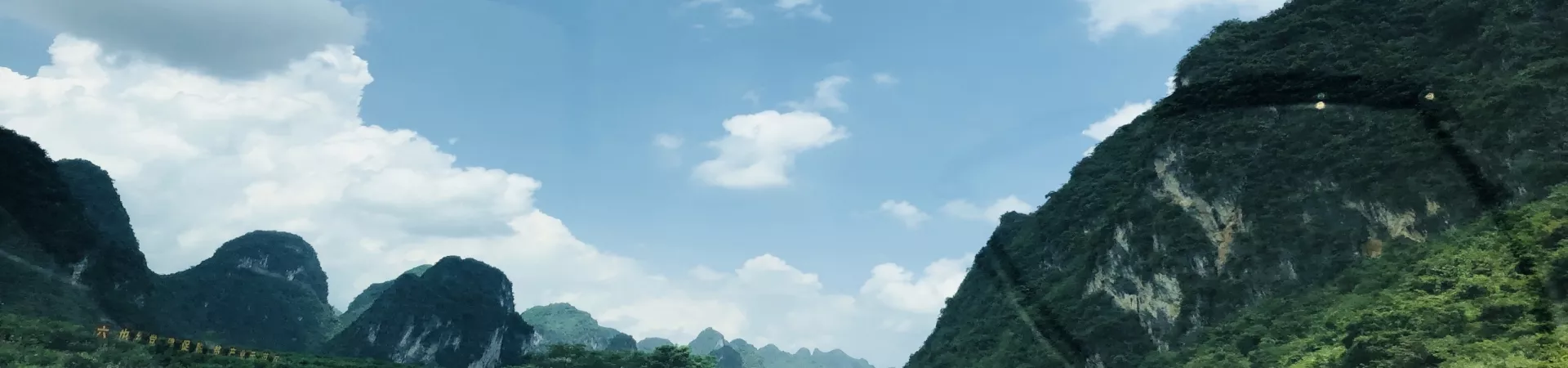
Subtitle: A Journey into the Karst Wonderland of Guangxi
1. Introduction: The Pinnacle of Karst Landscapes Nestled within the Dahua Yao Autonomous County of Guangxi Zhuang Autonomous Region, the Qibainong National Geopark stands as a crown jewel in China's geological treasury. It represents a bold new frontier in Guangxi's vision to establish the Hongshui River basin as an international tourism destination and a globally recognized sanctuary for longevity and wellness. Far more than just a scenic area, Qibainong is a profound natural monument, offering visitors an unparalleled opportunity to witness one of the planet's most spectacular and intense displays of karst topography. This park is not merely visited; it is experienced, inviting exploration into a world shaped over millennia by the relentless forces of water and stone.
2. A Geological Masterpiece: The Realm of Peak-Cluster Depressions The defining and awe-inspiring feature of Qibainong Geopark is its vast, continuous expanse of peak-cluster depressions. This landscape is the park's heart and soul, a dramatic terrain that has earned it unique status as the only national geopark in China dedicated primarily to this specific karst phenomenon.
2.1. A Landscape of Epic Scale The sheer numbers are staggering and speak to the grandeur of the site. Imagine over 9,000 mountain peaks, each soaring above 800 meters in elevation, rising like stone sentinels from the earth. Scattered between these peaks are more than 2,500 depressions (locally known as "nong"), each with its own unique character—some deep and bowl-shaped, others elongated and serene. This creates a mesmerizing, repetitive pattern of towering green peaks and secluded, farm-dotted hollows, a vista that stretches to the horizon in every direction. The effect is one of sublime, humbling beauty, a testament to nature's capacity for both immense power and intricate detail.
2.2. Complementary Geological Wonders While the peak-cluster depressions command attention, the park's geological narrative is richly supplemented by other formations. Deep valleys and canyons, such as the dramatic Banlan Canyon, cut through the limestone, revealing sheer cliffs and hidden waterways. A network of karst caves and underground rivers lies beneath the surface, forming a mysterious subterranean world. Furthermore, the park is a site of significant paleontological importance, containing abundant fossils that offer crucial clues to the region's ancient biological and environmental history.
3. Exploring the Four Core Scenic Areas To fully appreciate its diversity, the geopark is systematically organized into four major scenic zones, each highlighting a different facet of this karst universe.
3.1. Qianshanwannong Scenic Area Translated as "Thousands of Hills and Ten-Thousand Depressions," this area is the quintessential showcase of the park's iconic landscape. It is here that visitors can grasp the true scale and density of the peak-cluster depression terrain. Viewpoints offer panoramic, breathtaking vistas of the endless succession of peaks and hollows, particularly stunning at sunrise or when morning mists cling to the mountainsides.
3.2. Banlan Canyon Scenic Area This zone shifts the focus from aerial views to immersive depth. Banlan Canyon provides a dramatic contrast with its steep, narrow gorge walls. The experience here is one of intimacy with the rock, where visitors can trace the layers of stone, listen to the echo of streams, and witness the powerful erosive forces that have carved this deep incision into the plateau.
3.3. Shiguotiandu Scenic Area "The Stone Kingdom Heavenly Capital" lives up to its majestic name. This area features particularly bold and imaginative rock formations, pillars, and cliffs that resemble a mythical fortress or a ruined city of giants. It stimulates the imagination, encouraging visitors to see shapes and stories in the weathered stone, all set against a backdrop of profound natural beauty.
3.4. Shili Yougu Scenic Area Meaning "Ten-Mile Secluded Valley," this region offers a more tranquil and accessible experience. The valley features a relatively gentle stream, lush vegetation, and charming smaller karst features. It is an ideal area for leisurely walks, where the ecological richness of the geopark—the plants, birds, and insects that thrive in this unique habitat—can be appreciated up close.
4. Practical Information for Your Visit To ensure a smooth and enjoyable exploration of Qibainong National Geopark, please note the following essential details.
4.1. Admission Fees The park charges an entrance fee of 50 RMB per person. This ticket typically provides access to the main scenic areas and viewpoints. This fee structure is generally consistent throughout the year.
4.2. Operating Hours The park is open daily from 6:00 AM to 7:00 PM. This long opening period allows ample time for extensive exploration, from catching the magical early morning light over the peaks to enjoying the softer hues of the late afternoon. It is advisable to confirm these hours locally, as they can be subject to change based on season or weather conditions.
4.3. Contact Information For the most current information regarding accessibility, weather conditions, or specific inquiries, you can contact the park directly at 0778-2433988.