Baping Terraced Fields
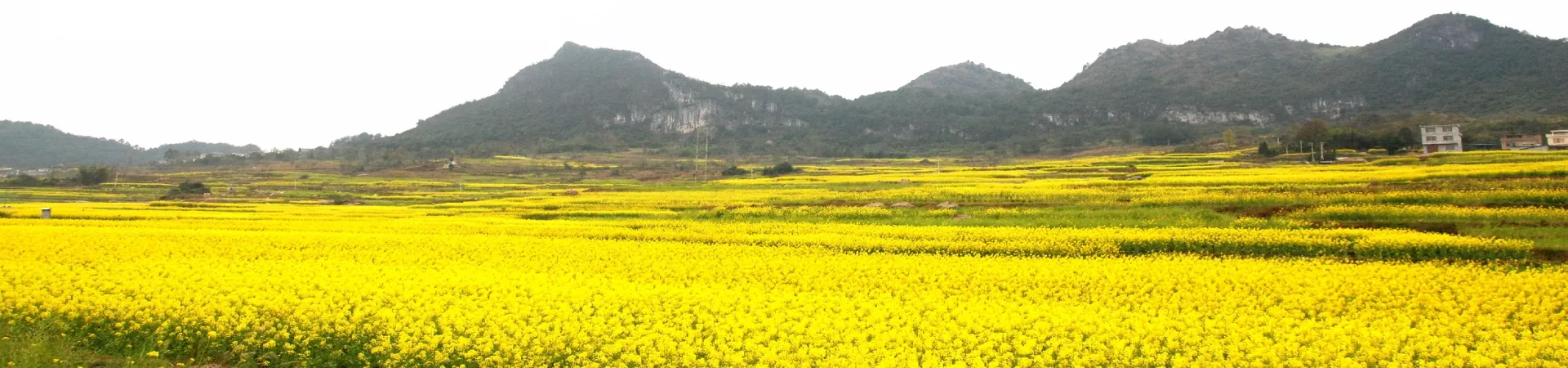
Subtitle: A Hidden Gem of Rural China: Baping Terraced Fields
Introduction
Nestled approximately 30 kilometers from Nandan County in Hechi, Guangxi, and bordering the province of Guizhou, lies a breathtaking yet often-overlooked agricultural masterpiece: the Baping Terraced Fields. This serene landscape offers a stark and refreshing contrast to the more famous and frequently crowded terraces of Longsheng and Yuanyang. Baping remains a largely undeveloped destination, a pristine canvas where nature and ancient farming traditions harmonize without the overwhelming presence of mass tourism. Its charm lies in its undisturbed authenticity, profound tranquility, and the raw, picturesque beauty that unfolds across its cool, mountainous slopes. Here, the rhythm of life is dictated by a single annual rice cropping season, allowing the land and its caretakers a period of restorative rest, and offering visitors a glimpse into a slower, more deliberate way of life.
1. The Landscape and Atmosphere
1.1. A Tapestry of Tranquility Unlike its renowned counterparts, Baping Terraced Fields are not a staged spectacle but a living, working landscape. The absence of large-scale commercial development means the vistas you encounter are genuine and unfiltered. The fields cascade down the hillsides in elegant, fluid lines, their appearance transforming dramatically with the seasons. From the mirror-like water-filled plots in spring, reflecting the sky and clouds, to the vibrant emerald green of summer rice shoots, and finally, the breathtaking golden hues of the autumn harvest, each period offers a unique photographic and sensory experience. The overriding atmosphere is one of peaceful solitude, broken only by the sounds of nature and distant farming activity.
1.2. Climate and Agricultural Cycle The location, at a higher altitude and near Guizhou, blesses Baping with a notably cool and pleasant climate, even during the summer months. This climatic condition supports a traditional, sustainable agricultural practice: growing only one crop of rice per year. This monoculture cycle is integral to the local ecosystem and culture. The long fallow period allows the soil to recover its nutrients, resulting in robust, high-quality rice, while also structuring the annual calendar of the local communities. Visitors during the non-planting seasons will witness a different, but equally captivating, landscape of resting fields, often covered in wildflowers or morning mist.
2. Planning Your Visit
2.1. Getting There: Transportation Options Currently, the most convenient and recommended way to reach Baping Terraced Fields is by private vehicle.
- 2.1.1. By Car: The site is strategically located right alongside National Highway 210, making it accessible by road. For those traveling from further afield, the G75 Lanhai Expressway provides a high-speed route to the general region, from which you can exit and connect to local roads leading to the terraces.
- 2.1.2. Public Transport: While possible, reaching Baping via public buses can be challenging and time-consuming, involving transfers in Nandan County. It is not advised for those with limited time or seeking flexibility to explore different vantage points.
2.2. Admission and Facilities 2.2.1. Ticket Policy: As of now, access to the Baping Terraced Fields is free of charge. There are no formal entrance gates or ticket booths. However, it is important for potential visitors to note that this is likely to change in the near future. Local villages are actively constructing viewing platforms and basic tourist facilities, indicating an impending transition to a managed, ticketed attraction. The window for experiencing Baping in its completely unticketed state may be closing.
2.2.2. Local Development: The area is on the cusp of development. Numerous family-run guesthouses and homestays are being built, which will soon provide more accommodation options for travelers wishing to stay overnight to capture sunrise or sunset over the fields. This development suggests that while services will improve, the current raw and undeveloped character of the site will evolve.
3. Practical Information for Travelers
3.1. Opening Hours The terraced fields are an open, natural landscape accessible 24 hours a day, 7 days a week, year-round. There are no restrictions on visiting times. This freedom allows for incredible flexibility—you can arrive for a misty dawn, explore under the midday sun, or wait for the soft light of dusk. For photographers and those seeking the most dramatic views, early morning and late afternoon are particularly magical.
3.2. Best Time to Visit The optimal time to visit depends on the scenery you wish to behold.
- Late April to June: This is the period for planting and early growth. The fields are filled with water, creating stunning reflective surfaces.
- July to September: The rice plants are lush and green, covering the mountains in a vibrant carpet.
- Late September to October: This is the harvest season, when the terraces turn a magnificent gold and amber, offering the most iconic and colorful vistas.
4. Experiencing Baping Responsibly
4.1. Respecting the Land and Community It is crucial to remember that these fields are not merely a scenic backdrop but the livelihood of local farmers. Always stay on existing paths and ridges between fields to avoid damaging the carefully maintained bunds and crops. Do not trample through the rice paddies. Respect private property and seek permission if you wish to take close-up portraits of villagers or enter immediate farmstead areas.
4.2. Preparation and Essentials As infrastructure is still basic, come prepared. Wear sturdy, comfortable shoes suitable for walking on uneven paths and potentially muddy terrain. Bring water, snacks, sun protection, and rain gear, as the mountain weather can change quickly. For an extended exploration, carrying a map or having an offline GPS application is advisable. While the area is safe, traveling with a companion is always recommended when venturing into rural locations.